Finding a large brown cockroach near your patio door can raise an immediate concern: are more hiding inside? Fortunately, wood roaches in Michigan usually live outdoors and don’t establish household infestations like German cockroaches. They can fly toward porch lights, slip through openings, or arrive with firewood. If you’ve spotted one, identifying the species and checking how it entered your home will help you decide whether basic prevention is enough or professional cockroach control is needed.
Do Wood Roaches in Michigan Infest Homes?
Wood roaches are outdoor cockroaches that shelter beneath tree bark, inside decaying logs, and among fallen leaves. These damp, protected environments provide the conditions they need to live and reproduce.
Unlike German cockroaches, wood roaches generally cannot maintain breeding populations inside typical homes. They may enter a house accidentally, but an indoor sighting doesn’t necessarily mean they’ve found a place to live.
Does Finding One Wood Roach Mean You Have an Infestation?
A single wood roach near a patio door, window, or fireplace is often an accidental visitor. It may have flown toward an exterior light, crawled through a gap, or arrived with firewood.
The situation changes if cockroaches repeatedly appear deeper inside the house, particularly around appliances and plumbing. In that case, identifying the species should come before deciding how to handle the problem.
How to Identify Wood Roaches in Michigan
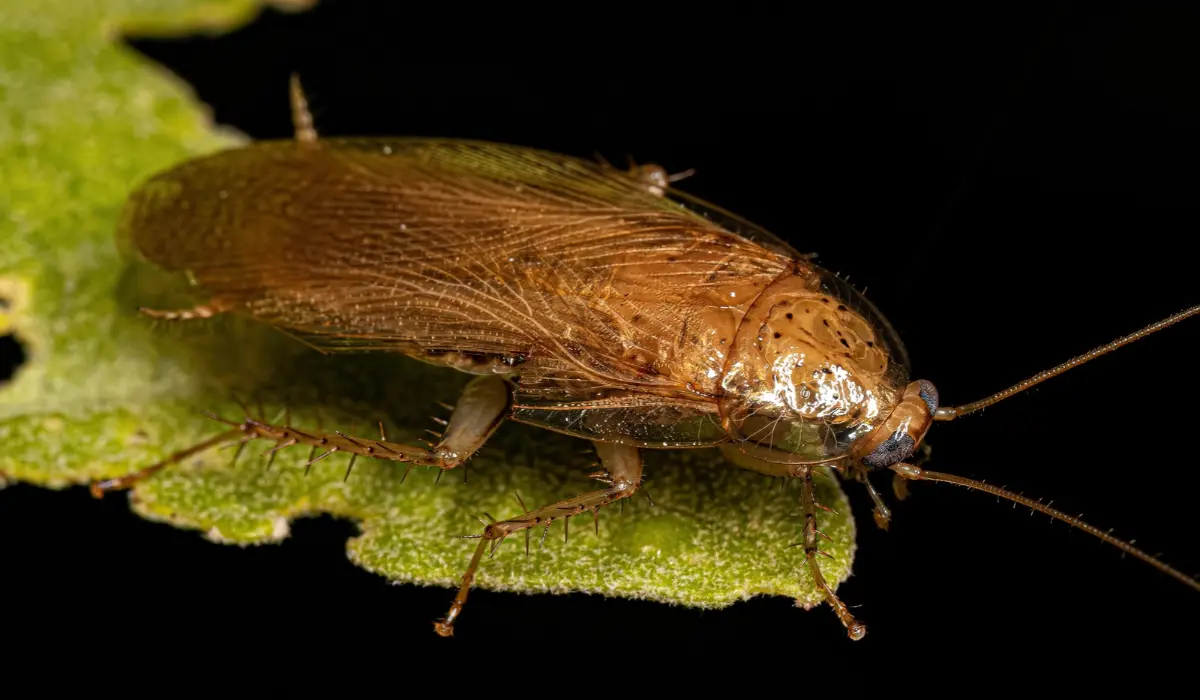
One wood cockroach found in Michigan is the Pennsylvania wood cockroach (Parcoblatta pennsylvanica). It has a flattened, oval body, brown coloring, long antennae, and spiny legs. Its appearance differs between males and females, especially around the wings.
The insect’s markings and body structure are more reliable identification clues than where you happened to find it. An outdoor cockroach can enter a kitchen, and a household cockroach can sometimes appear near an exterior door.
What Do Pennsylvania Wood Cockroaches Look Like?
Adult males have well-developed wings extending along their bodies. Females have shorter, less developed wings and a somewhat different overall appearance.
Both sexes can move through narrow spaces beneath bark and around decaying vegetation. Because other cockroaches share similar brown coloring, examine the wings, body shape, and markings rather than relying on color alone.
If you can safely photograph the insect, capture its back and the area directly behind its head. A clear picture can help a pest control professional distinguish it from other cockroach species.
Can Wood Roaches Fly?
Adult male Pennsylvania wood cockroaches can fly, which explains some sightings around porch lights and illuminated windows. Females have shorter wings and lack the same flight capability.
Seeing a cockroach fly doesn’t confirm that it’s a wood roach. Flight is one identification clue, but the insect’s appearance and other activity around your home matter as well.
Wood Roach vs. German Roach: How to Tell the Difference
The main difference between a wood roach and a German roach is where each species lives and reproduces.
German cockroaches (Blattella germanica) are indoor pests that favor protected areas near food, water, and warmth. Pennsylvania wood cockroaches naturally live outdoors, where they shelter around logs, bark, and decomposing vegetation.
Key Differences Between Wood Roaches and German Cockroaches
| Feature | Pennsylvania Wood Cockroach | German Cockroach |
| Appearance | Brown body; males and females have different wing development | Light brown or tan with two dark stripes behind the head |
| Preferred habitat | Wooded areas, logs, bark, and leaf litter | Indoor spaces near food, warmth, and moisture |
| Flight | Adult males can fly | Adults have wings but rarely fly |
| Typical indoor sighting | Near exterior doors, windows, or firewood | Around kitchen appliances, cabinets, and plumbing |
| Indoor breeding | Does not normally establish household infestations | Can reproduce and establish populations indoors |
| Control approach | Identify entry points and reduce outdoor shelter | Inspect indoor hiding places and use species-specific control |
German cockroaches are generally smaller than Pennsylvania wood cockroaches, although size alone isn’t a dependable identification method. The two dark stripes behind a German cockroach’s head are especially useful when comparing adult insects.
Other cockroach species found in Michigan may share similar coloring or body shapes. Looking at several physical features together reduces the chance of confusing an outdoor visitor with a species that breeds indoors.
Why German Cockroaches Need a Different Response
German cockroaches often hide around refrigerators, stoves, cabinet joints, and plumbing. These protected areas allow them to remain close to food and moisture while reproducing indoors.
Once established, German cockroaches can multiply in kitchens and spread into nearby hiding places. Sealing a gap beneath the back door won’t address a breeding population already living around appliances.
Professional control typically involves locating active hiding areas, correcting conditions that support the infestation, applying targeted treatments, and monitoring results. An outdoor wood roach sighting usually calls for a simpler approach.
Why Do Wood Roaches Enter Michigan Homes?
Wood roaches don’t need to establish a breeding population inside your home to become a nuisance. They may enter while moving around outdoors or be carried inside with stored materials.
Three common situations explain many encounters: exterior lights that attract flying males, firewood that provides shelter, and gaps that allow insects through the building exterior.
Porch Lights and Illuminated Windows
Adult male wood cockroaches may approach outdoor lights at night. A bright fixture beside a front door or garage can bring them close to openings they might otherwise never encounter.
When someone opens the door, an insect nearby may fly or crawl inside. Torn window screens and poorly fitted frames can provide access even when the window itself is closed.
Firewood Brought Indoors
Wood roaches naturally shelter around loose bark and decaying logs. A cockroach hidden in a woodpile can travel indoors when you carry logs to a fireplace or wood stove.
The insect may crawl out after the wood has been moved inside. Finding one near the hearth doesn’t necessarily mean cockroaches have established themselves elsewhere in the house.
Inspecting firewood before carrying it indoors is a useful first step, especially when the pile has been sitting near trees or fallen leaves.
Gaps Around the Building
Exterior doors, garage thresholds, damaged screens, and openings around siding can provide entry points for wood roaches.
Even a small gap may allow an insect through. If sightings regularly occur in one room, inspect the nearest exterior openings before searching for an indoor breeding site.
Where to Look for Wood Roaches Around Your Property
A wood roach inspection should begin outside, particularly when sightings happen near doors and windows.
Look for damp organic material, sheltered spaces, and stored wood close to the house. Finding these conditions won’t prove where an individual insect came from, but it can reveal places worth addressing.
Firewood, Mulch, and Fallen Leaves
Firewood stacks offer numerous hiding spaces beneath bark and between logs. Piles placed directly against siding also position outdoor insects close to potential entry points.
Thick accumulations of wet leaves, rotting branches, and other decaying material can provide similar shelter. Mulch beds may also offer hiding areas when organic material stays damp near the foundation.
You don’t need to remove healthy landscaping or clear your entire yard. Concentrate on reducing debris immediately beside the building and keeping stored firewood away from exterior walls.
Siding, Soffits, and Garage Doors
Walk around your home and inspect the places where building materials meet. Check door thresholds, garage door seals, window frames, siding joints, and visible gaps around exterior trim.
Pay particular attention to openings near places where you’ve already seen insects. If you find damaged materials or a persistent gap, repair the opening while preserving any ventilation the building requires.
How to Prevent Wood Roaches From Entering Your Home
For confirmed wood roaches, prevention usually focuses on keeping outdoor insects outside rather than treating indoor rooms.
The EPA’s safe pest control guidance emphasizes practical measures such as closing pest entry points and reducing conditions that support pest activity. Those principles fit well with wood roach prevention.
Seal Exterior Openings
Start with the doors and windows you use most often. Replace worn weatherstripping, install a properly fitted door sweep, and repair torn window screens.
Check utility penetrations and gaps around exterior trim. Seal appropriate openings with materials suited to the surface, but don’t block required ventilation or drainage.
A gap around a garage door can be easy to overlook because the door may still open and close normally. Inspect the bottom seal and edges for visible daylight when the door is shut.
Store Firewood Away From the House
Keep your main firewood supply outside in a designated storage area rather than against the exterior wall.
Before bringing logs indoors, look beneath loose bark and between pieces for insects. Carry in only what you’ll use soon, and avoid leaving a large pile beside the fireplace for extended periods.
These habits help reduce the chance of transporting wood roaches from their outdoor habitat into your living space.
Clear Debris Near the Foundation
Remove fallen leaves, decaying branches, and unnecessary piles of organic material immediately around the house.
Keep mulch from accumulating heavily against siding and make sure storage areas remain accessible for inspection. You can maintain attractive garden beds while limiting damp, protected spaces directly beside the building.
Regular exterior maintenance also addresses conditions that attract other occasional invaders. A seasonal home maintenance plan that includes screen repairs, door-seal checks, and yard cleanup can help reduce unwanted insect entry.
Reduce Unnecessary Exterior Lighting
If flying insects regularly gather around an illuminated entrance, turn off lights when they aren’t needed or consider positioning fixtures farther from the doorway.
Motion-activated lighting can also limit how long an entrance remains illuminated. Lighting changes won’t remove wood roaches from your yard, but they can reduce an attraction near openings into the house.
Remove and Monitor Indoor Visitors
If you find a suspected wood roach indoors, capture it with a container or remove it safely. Photograph it first if identification is uncertain.
Check the closest door, window, or firewood storage area for an entry route. If you continue finding cockroaches, note their locations and whether you’re seeing adults, smaller immature insects, or both.
A few well-documented sightings can provide more useful information than treating unidentified cockroaches throughout the house.
When Does a Roach Sighting Signal a Larger Problem?
The concern changes when cockroaches repeatedly appear in areas that support indoor breeding.
Instead of focusing only on how many you’ve seen, consider where they’re appearing and whether there are other signs of ongoing activity.
Signs of an Indoor Cockroach Infestation
Cockroaches found repeatedly behind appliances, beneath sinks, or inside kitchen cabinets deserve investigation. Those locations provide the shelter and moisture favored by several indoor cockroach species.
Droppings, egg cases, shed skins, and immature cockroaches can provide further evidence. None of these signs identifies the species by itself, but a combination of them may indicate more than an accidental visitor.
Different cockroach species in Michigan have different habitat preferences, so identifying the insect is necessary before choosing a control strategy.
Are Wood Roaches Dangerous?
Wood roaches are primarily nuisance insects when they wander indoors. A single wood roach found near a doorway shouldn’t be treated as equivalent to a persistent German cockroach infestation.
Established indoor cockroach populations can contribute to allergen exposure. The CDC’s asthma resources provide information about asthma and environmental health concerns, although those concerns shouldn’t automatically be attributed to an isolated outdoor wood roach.
If cockroaches are regularly appearing where food is prepared or stored, arrange for identification rather than assuming they’re harmless outdoor visitors.
When Professional Identification Makes Sense
Consider professional help when cockroaches keep appearing in different rooms, you find immature insects indoors, or you notice droppings and egg cases around protected hiding places.
Identification is also worthwhile if the insect’s markings don’t clearly match a wood cockroach. German, American, and Oriental cockroaches require different control approaches, and some may occupy locations that homeowners don’t inspect regularly.
When to Call Pest Pros of Michigan
Pest Pros of Michigan works with homeowners dealing with cockroaches and other household pests in Southwest Michigan. The company’s approach to cockroach control depends on identifying the species and understanding where activity is occurring.
For a confirmed outdoor wood roach, the practical response may involve entry-point repairs and changes to outdoor storage or landscaping. A German cockroach infestation requires a more thorough indoor assessment and species-specific control.
If you cannot identify the cockroach or continue finding insects inside, a professional inspection can help determine which approach fits the situation.
Keep Wood Roaches Outside Your Michigan Home
An occasional wood roach near a window, door, or fireplace often points to an outdoor entry route. Start by checking weatherstripping, screens, firewood storage, and debris close to the foundation. If cockroaches repeatedly appear in kitchens or other interior rooms, don’t assume they’re wood roaches without confirming the species.
Homeowners in Kalamazoo and Grand Rapids can turn to Pest Pros of Michigan for help identifying cockroaches and determining the appropriate response. You can also find service information for Kalamazoo and Grand Rapids.
If you’ve found an unfamiliar roach or continue seeing activity, contact Pest Pros of Michigan to request an assessment of your home.
Frequently Asked Questions
Do Wood Roaches Infest Homes in Michigan?
Wood roaches generally don’t establish breeding populations inside typical Michigan homes. They naturally live outdoors among bark, logs, and leaf litter. An occasional sighting near a door, window, or fireplace often results from accidental entry. Repeated sightings in kitchens or around appliances should be investigated to rule out indoor cockroach species.
Are Wood Roaches Dangerous to People or Pets?
Wood roaches are mainly a nuisance when they enter houses. They’re not generally associated with the same household sanitation and allergen concerns as persistent German cockroach infestations. Still, an unfamiliar insect should be identified before deciding it’s an occasional outdoor visitor, especially if cockroaches keep appearing in rooms where food is stored or prepared.
Why Do I Keep Finding Wood Roaches Near My Windows?
Adult male wood roaches may approach exterior lights and enter through damaged screens, open windows, or nearby gaps. Inspect the window frame and surrounding trim, repair torn screens, and consider reducing unnecessary lighting near the opening. Firewood and decaying leaves close to the house may also provide outdoor shelter.

 Serving Michigan since 2018
 Pest-free guarantee
 Small, local business
 10+ years of pest control experience
 President and CEO of Pest Pros of Michigan
 Resident of Michigan