Hearing scratching noises in your walls at night can feel unsettling, especially when the house is quiet. Across Michigan, this issue tends to occur more often in fall and winter as pests seek warmth and shelter indoors. What starts as a faint sound behind the drywall can quickly turn into a nightly disruption.
In most cases, these scratching sounds are not random. They point to activity inside walls, attics, or crawl spaces. For homeowners and property managers, the bigger concern is not just the noise. It is what may be happening out of sight.
The good news is that these situations rarely happen without warning signs. Once you understand what to look for, you can respond early and avoid more serious pest problems.
Key Takeaways
- Scratching noises at night often mean rodents or other critters are active inside the walls
- Droppings, gnaw marks, and grease marks help confirm pest activity
- Repeated scratching sounds usually indicate a growing infestation
- Professional pest control focuses on inspection, removal, and exclusion
What Nighttime Wall Scratching Usually Means
Scratching sounds at night usually follow a pattern, and that pattern can tell you a lot. Most pests that live inside walls are nocturnal, so the noise tends to start once everything else in the home settles down.
Rodents in Michigan are the most common cause. Still, the type of sound and where it comes from can help narrow things down further. Paying attention to those details makes it easier to identify the source and choose the right pest control approach, especially if it’s rodent season.
Mice and Rats
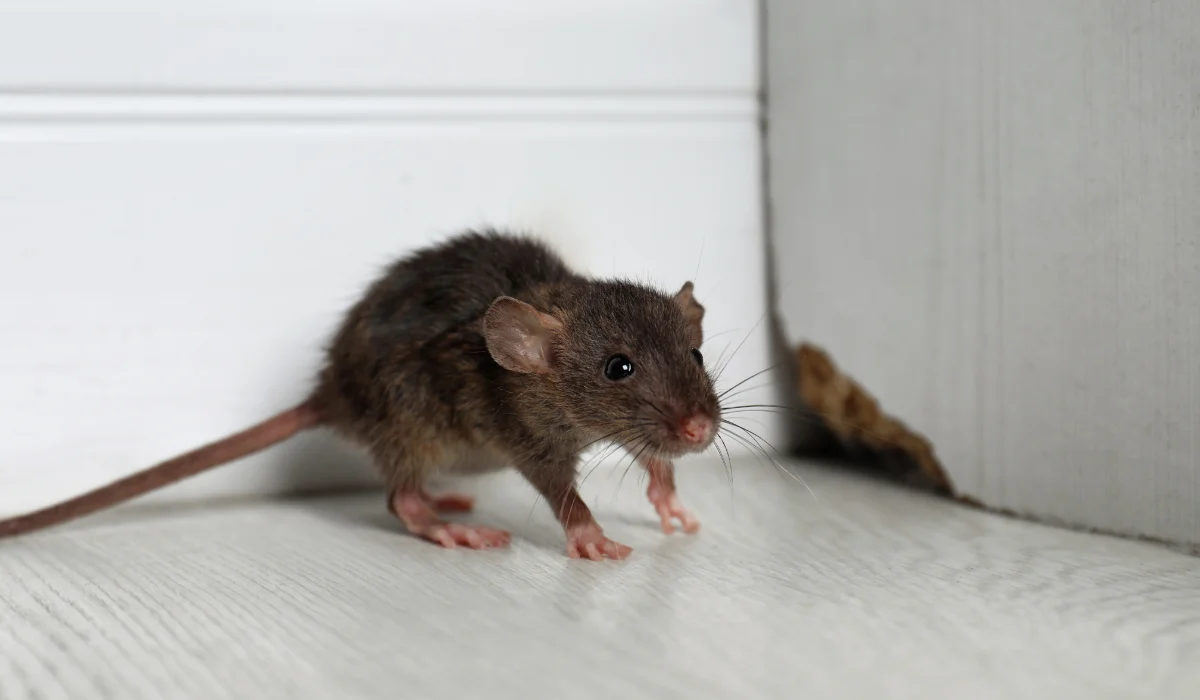
Mice and rats are responsible for most scratching noises inside the walls. These pests move through wall voids, ceilings, and crawl spaces while searching for food and nesting materials.
At first, you might hear light scratching sounds. Over time, those sounds often become faster movement or scurrying along baseboards. Because rodents use the same travel routes, the noise usually comes from the same spots night after night.
Raccoons and Other Small Animals
When the noise sounds heavier or more forceful, larger small animals, such as raccoons, may be involved. These critters often enter through eaves or rooflines and then move toward the inside walls.
Unlike rodents, raccoons create louder, slower movements. You may hear thumping, dragging, and scratching sounds. Since they are stronger, they can cause structural damage more quickly.
Carpenter Ants and Termites
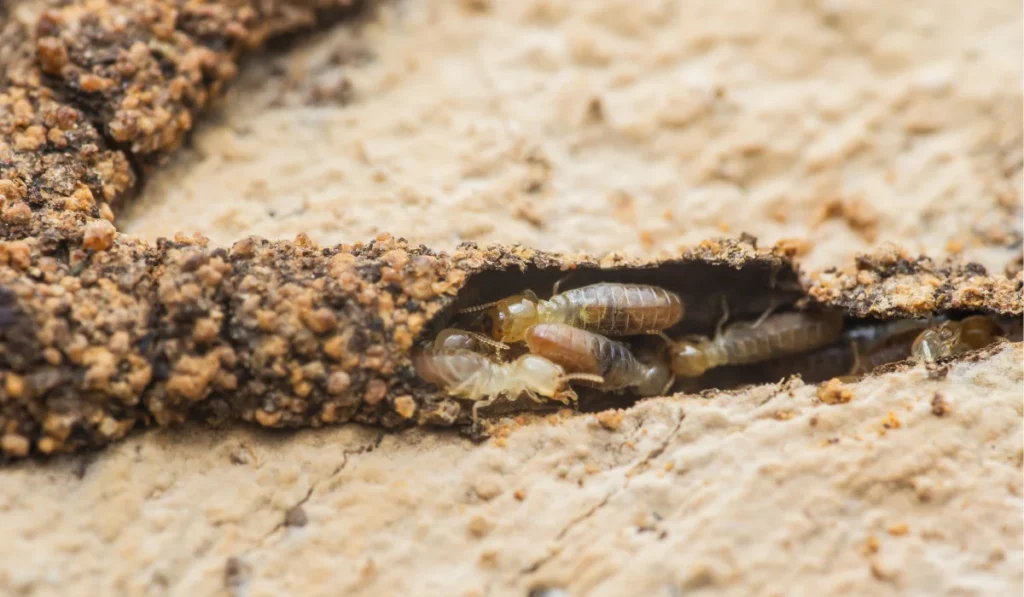
Not all scratching noises come from animals you can hear easily. Carpenter ants and termites can create faint sounds as they move through wood.
These pests tend to stay hidden longer, so the noise may be subtle. However, moisture-prone areas such as crawl spaces or older wood framing in Michigan homes can increase the likelihood of these infestations.
Signs the Noise Is Coming From Rodents
While scratching sounds point you in the right direction, confirmation comes from physical evidence. Rodent control always starts with identifying where pests are active and how they are moving.
If rodents are the source, you will usually find multiple signs near walls, storage areas, and entry points. Looking for these clues helps you understand the size and scope of the problem.
Droppings Near Walls and Hidden Spaces
Droppings are one of the most reliable indicators of rodent activity. You will often find them near baseboards, under sinks, or inside cabinets.
Fresh droppings suggest active movement. When paired with scratching sounds, they strongly indicate that rodents are currently inside walls or nearby spaces.
Gnaw Marks on Drywall and Wiring
Rodents chew constantly, which leads to visible gnaw marks. You may notice damage on drywall edges, wood trim, or food packaging.
In more serious cases, rodents chew electrical wiring. This creates a safety risk and increases the need for immediate professional rodent control.
Grease Marks and Entry Points
As rodents squeeze through tight spaces, they leave grease marks along walls and around openings. These marks often appear near pipes, vents, or small cracks.
Finding these areas helps identify entry points. To fully resolve the issue, you need to seal entry points as part of a proper exclusion plan. Without that step, rodents often return.
When Scratching Noises Point to an Active Infestation
Occasional noise does not always mean a full infestation. However, when sounds become consistent and signs begin to add up, the problem is usually growing.
At that point, the focus shifts from identifying the issue to stopping it from spreading further within the structure.
The Noise Happens Night After Night
If scratching sounds occur every night, especially in multiple areas, it usually means more than one rodent is present. Increased activity often points to nesting inside walls or nearby spaces.
Rodents gather nesting materials like insulation, paper, and fabric. These materials are often tucked into hidden areas, which allows the infestation to expand without being seen.
Odors and Visible Nesting Materials
As rodent activity increases, you may notice a strong or musty odor. This smell often comes from droppings, urine, and nesting buildup.
You might also find shredded nesting materials in storage areas or near wall openings. These signs confirm that pests are living inside the structure rather than passing through.
Expanding Damage and Health Risks
Over time, an infestation leads to more visible damage. This can include compromised drywall, damaged studs, and insulation issues.
There are also health risks tied to droppings and contamination. In both residential and commercial pest control situations, addressing the issue quickly helps limit exposure and prevent further problems.
DIY methods often miss hidden activity inside walls. Professional pest management focuses on removing pests and preventing their return.
Schedule a Michigan Pest Inspection
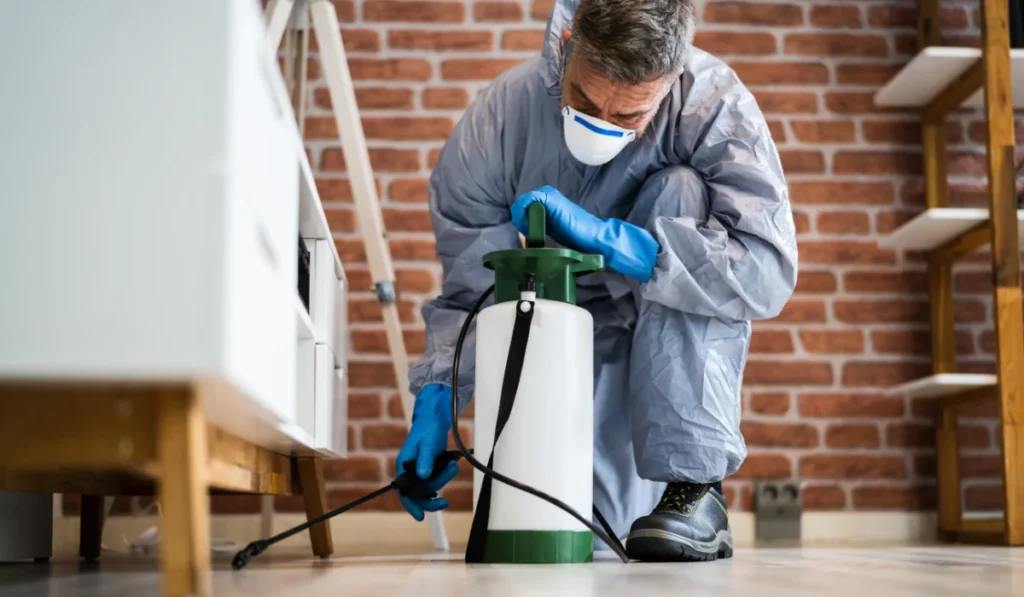
If you are hearing scratching noises, the next step is a professional inspection. This allows an experienced exterminator to identify exactly what is happening and where.
During an inspection, technicians check wall voids, crawl spaces, attics, and exterior entry points. They look for droppings, grease marks, gnaw marks, and nesting materials to confirm activity.
From there, a clear plan is built. This includes removal, exclusion, and ongoing monitoring. The goal is not just to stop the current problem, but to keep your home or building pest-free long term.
Many companies offer a free inspection, making it easier to get answers without delay.
Protect Your Michigan Property From Ongoing Pest Problems
Scratching noises at night are often the first sign that something is happening inside your walls. Ignoring those sounds allows pests to settle in, multiply, and cause more damage over time.
By recognizing early warning signs like droppings, gnaw marks, and scurrying sounds, you can take action before the problem grows. A clear plan that includes inspection and exclusion makes a lasting difference.
If you are dealing with scratching noises or other pest problems, Pest Pros of Michigan is ready to help. Our team provides residential, commercial, and rodent pest control tailored to Michigan properties.
Call us or contact us online to schedule your free inspection. We will identify the source, seal entry points, and help you restore a pest-free environment.
FAQs
What do scratching noises in the walls at night usually mean?
Scratching noises usually mean rodents or small animals are active inside the walls. In Michigan, mice and rats are the most common cause, though raccoons and other critters can also create noise depending on the situation.
How can I confirm if rodents are in my walls?
Look for droppings, gnaw marks, grease marks, and nesting materials near walls or hidden areas. When these signs appear alongside scratching sounds, it strongly suggests active rodent activity inside your home.
Will scratching noises go away on their own?
No, pests will not leave on their own if they have food, shelter, and access. Without proper pest control and exclusion, the activity usually increases and can turn into a larger infestation over time.

 Serving Michigan since 2018
 Pest-free guarantee
 Small, local business
 10+ years of pest control experience
 President and CEO of Pest Pros of Michigan
 Resident of Michigan