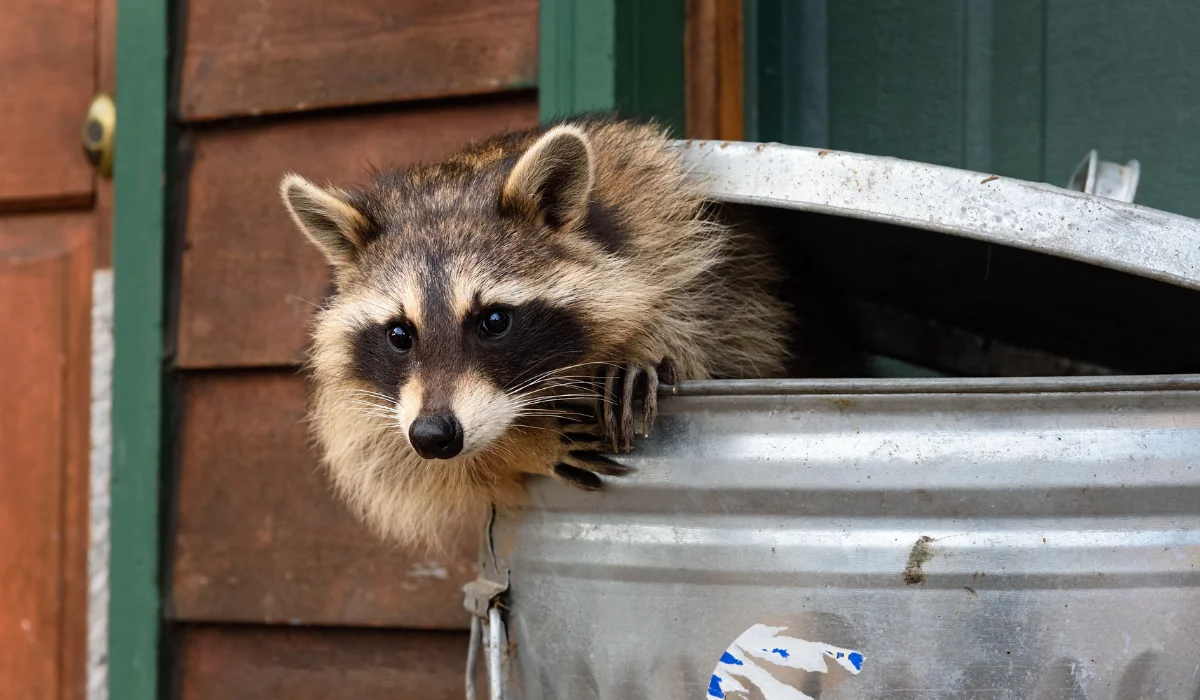
A raccoon crossing your roof after dark may be doing more than passing through. Raccoons on roof surfaces often pause near vents, chimneys, soffits, and roof edges because those areas can lead to sheltered attic space. A loose panel or damaged vent may be all the invitation they need.
Homes across Kalamazoo, Grand Rapids, and the surrounding West Michigan communities offer raccoons plenty of climbing routes. Mature trees, attached garages, fences, downspouts, and low roof sections can help them reach areas that homeowners rarely inspect. Once a raccoon finds a workable opening, it may return to the same spot and widen the damage.
Early action matters because removing an animal solves only part of the problem. The entry point, attic damage, and outdoor conditions that attracted the raccoon must also be addressed. Knowing what to look for can help you respond before a nighttime roof visitor becomes an animal in the attic.
What Raccoons on Roof Surfaces Are Looking For
Raccoons are strong climbers with the dexterity to investigate small gaps around a home. A roof gives them access to several protected areas where roofing and exterior materials meet. They may inspect a chimney cap, press against a loose soffit panel, pull at a roof vent, or test damaged fascia for movement.
The roofline is especially appealing because an opening can lead to an attic that stays dry and protected from wind, rain, and outdoor disturbances. The Michigan Department of Natural Resources guidance on nuisance wildlife recognizes that wild animals may use buildings for shelter and encourages property owners to reduce attractants and block access where appropriate.
A raccoon may visit several times before entering. Repeated tracks in snow, disturbed shingles, or nighttime movement along the same roof edge can indicate that it has identified a promising location. At that stage, a roof inspection may prevent a more involved raccoon infestation.
How Raccoons Reach the Roofline
Raccoons rarely need a direct route from the ground to the highest part of a house. They often move in stages, using a fence, deck railing, tree trunk, garage roof, or downspout to reach an accessible section. Once they are on the structure, gutters and roof valleys can guide them toward sheltered openings.
Overhanging branches is one common access route, but trimming a tree does not solve every problem. A raccoon may still climb textured siding, brick, a porch post, or a nearby structure. Prevention works best when homeowners look at the entire path from the yard to the roof, not just the final entry point.
Michigan weather can make weak areas easier to find. Snow loads, ice, wind, and repeated temperature changes can loosen exterior materials over time. A gap that seems minor from the ground may provide enough room for a raccoon to grip, pull, and create a larger opening.
Common Roofline Entry Points
Raccoons in attic spaces often enter through parts of the roof designed for ventilation or weather protection. These areas need openings to function, but damaged covers and aging materials can leave them exposed.
| Roofline Area | What Makes It Vulnerable | What Homeowners May Notice |
|---|---|---|
| Soffits | Loose panels, water damage, or gaps at roof edges | Sagging material, claw marks, or a shifted panel |
| Roof vents | Cracked covers or weak screening | Bent metal, missing fasteners, or debris around the vent |
| Fascia | Rot, storm damage, or separation from the roof | Dark staining, loose boards, or an enlarged gap |
| Chimneys | Missing or unsecured chimney caps | Scratching sounds, nesting material, or movement near the chimney |
| Roof transitions | Gaps where additions, dormers, or garages connect | Disturbed flashing, lifted shingles, or repeated animal activity |
A visual inspection from the ground can reveal obvious roof damage from raccoons, but it may not show the full opening. Avoid climbing onto the roof at night or approaching an animal. A raccoon that feels cornered may defend itself, and roof work creates its own fall hazards.
Signs of Raccoons in the Attic
The clearest signs of raccoons often appear after dark. Homeowners may hear heavy footsteps, thumping, dragging, or scratching noises in attic areas. These sounds tend to be louder and slower than the light scurrying associated with mice.
Location can help narrow down the source. Noise near a ceiling corner may point to activity along the eaves or soffits, while movement above a central room could mean the animal is traveling across attic framing. Sounds near a chimney or vent may indicate the entry area.
Outside, look for bent gutters, smudges on siding, disturbed shingles, or damage around roof vents. Inside the attic, compressed insulation, torn ductwork, nesting material, or concentrated droppings may confirm ongoing activity. Do not handle droppings or contaminated insulation with bare hands.
Raccoon Damage Can Spread Beyond the Entry Hole
A raccoon does not need to remove a large section of the roof to cause a costly problem. Pulling open a soffit or shifting a vent cover can expose the attic to rain and melting snow. Moisture may then affect insulation, roof decking, framing, and finished ceilings below.
Inside the attic, raccoons may flatten insulation while creating a resting or nesting area. They can also move loose materials, damage flexible ductwork, and disturb stored belongings. If the animal remains for an extended period, waste may contaminate insulation and surrounding surfaces.
The entry opening may attract other nuisance wildlife after the raccoon leaves. Squirrels, birds, bats, or another raccoon can use the same unsealed gap. This is why wildlife removal without exclusion work often provides only temporary relief.
Health Concerns Around Raccoon Waste
Raccoon droppings deserve careful handling because they may carry raccoon roundworm. The Centers for Disease Control and Prevention information on Baylisascaris infection explains that people can become infected after accidentally swallowing eggs from contaminated soil, objects, or surfaces.
An attic latrine may contain waste from repeated visits, not just one animal. Disturbing dry droppings or contaminated insulation can spread debris through the work area. Children and pets should be kept away until the space has been assessed and cleaned using appropriate procedures.
Raccoons can also carry rabies and other diseases, although unusual behavior does not confirm a specific illness. Avoid touching, feeding, trapping, or attempting to move a raccoon by hand. If a person or pet has direct contact with one, contact the appropriate medical or veterinary professional for guidance.
Why Spring Raccoon Problems Require Extra Care
Spring is a common time for homeowners to discover signs of raccoons because female raccoons may use attics and other enclosed spaces as den sites. A homeowner may hear chattering, crying, or repeated movement from one area of the attic rather than the sound of a single animal traveling across the space.
The presence of young changes the removal plan. Sealing the entrance while animals remain inside can separate a mother from her young or trap the entire group. That may lead to persistent attempts to reopen the structure, noise inside walls, odor, and unnecessary harm to the animals.
The Humane Society of the United States guidance on raccoons recommends resolving conflicts by removing attractants and using exclusion methods that account for dependent young. A careful inspection can determine whether the attic contains a single visitor, an established den, or a mother with kits.
What To Do After Spotting a Raccoon on Your Roof
Start by observing from a safe location. Note where the raccoon climbs, which section of the roof it approaches, and whether it disappears behind a soffit, vent, or chimney. Photos taken from the ground during daylight can help document visible damage without putting you on the roof.
Next, reduce easy food sources around the property. Secure trash lids, bring pet food indoors, clean grills, and remove fallen fruit. These steps will not remove a raccoon from an attic, but they can make the property less rewarding and discourage continued activity around the home.
Do not seal a suspected opening until the attic has been checked. Stuffing a gap with temporary material may trap wildlife or prompt the animal to tear through another area. A proper plan identifies the species, confirms whether young are present, removes the animals, and secures every active and vulnerable entry point.
Raccoon Removal and Exclusion Serve Different Purposes
Raccoon removal addresses the animals currently using the structure. Depending on the situation, this may involve live trapping, exclusion trapping, or another method that follows state and federal requirements. The correct approach depends on the location, season, number of animals, and condition of the building.
Exclusion addresses the reason the problem can happen again. This work may include securing roof vents, replacing damaged soffit material, installing a chimney cap, reinforcing fascia, and sealing secondary gaps. A thorough inspection should also identify weak areas that have not yet become active entry points.
Cleanup and repairs complete the process. Contaminated insulation may need to be removed, and water-damaged materials may require attention from the appropriate contractor. Treating removal, exclusion, and restoration as separate steps helps protect the home after the current raccoon infestation is gone.
Protect Your Roof Before a Raccoon Moves In
A raccoon on roof surfaces is worth investigating, especially when it returns to the same location or spends time near a vent, soffit, or chimney. Early signs may be limited to nighttime noise and shifted materials, but an accessible roofline can lead to attic insulation damage, moisture problems, and repeated wildlife entry.
Pest Pros of Michigan provides wildlife control solutions for homeowners in Kalamazoo, Grand Rapids, and nearby communities. Learn more about the local team at Pest Pros of Michigan, or contact Pest Pros of Michigan to schedule an inspection when you suspect raccoons are scouting or entering your roofline.

 Serving Michigan since 2018
 Pest-free guarantee
 Small, local business
 10+ years of pest control experience
 President and CEO of Pest Pros of Michigan
 Resident of Michigan