
Spider activity can cause costly problems when early signs are missed. Learn how long do spiders live indoors, the signs, risks, and when to call Pest Pros of Michigan.
Are There Spiders Living Indoors in Your Home?
Yes, some spiders can live indoors for extended periods. Not every spider you spot inside has taken up permanent residence. Some species are well adapted to indoor life, while others simply wander in while searching for prey or a mate.
In the sections ahead, you will learn how to tell the difference between spiders that thrive indoors and those passing through. We also cover what to watch for when identifying common indoor species, the risks certain spiders may pose, and practical steps you can take to make your home less inviting to them.
If spiders are already established inside your home, a targeted approach that Pest Pros of Michigan uses an Integrated Pest Management approach that focuses on the conditions drawing spiders indoors.
How to Identify Common Indoor Spiders
Knowing which species you are dealing with helps you gauge what to expect. Most spiders that settle inside your home are common household species that pose little concern. However, a few deserve closer attention. Recognizing appearance differences and typical activity signs makes it easier to decide on your next step.
How to Tell Indoor Spider Types Apart
The brown recluse is the proper common name for only one species, Loxosceles reclusa. It is often confused with other recluse species that can cause similar medical concerns, so accurate identification matters. According to Mississippi State University Extension, most spiders produce venom and can bite, but only a few species are seriously venomous to humans, including the black widow, the brown widow, and the brown recluse.
Widow spiders include multiple species, such as the western black widow and the brown widow. Each species has distinct markings. Each species has distinct markings that an experienced pest professional can use to tell them apart. Telling these species apart helps you understand the level of concern warranted.
How to Spot Indoor Spider Activity Inside Your Home
Webbing is usually the first clue that spiders have settled inside. You may notice irregular webs in corners, along ceilings, or behind furniture. Remove or replace with a supported indicator of indoor spider activity, such as the presence of irregular webs in cracks and crevices in undisturbed areas. Seeing multiple webs over time suggests a spider has been living indoors rather than wandering in for a short time.
Only a few species of spiders may on occasion bite humans. If you notice bites or skin reactions, consider whether a venomous species could be present and look for the identifying features described above.
Where Indoor Spider Activity Shows Up Around Homes
Indoor spiders tend to stay in undisturbed areas. Closets, storage boxes, basements, and garages are common spots. These quiet spaces give spiders the cover they prefer, which can allow them to remain indoors for a long time without being noticed.
Exterior Entry Points Spiders Use
Spiders typically enter through gaps around doors, windows, and foundation-level openings. Pest Pros of Michigan offers exterior perimeter treatment of your structure that covers spiders along with other common pests. Keeping those entry points addressed is a practical way to reduce the number of species that find their way inside your home.
Why Indoor Spider Problems Develop
Most spiders do not actually live and reproduce inside homes and structures. Instead, they tend to wander indoors while hunting for prey or mates. Understanding why spiders show up inside helps you address the conditions that draw them in.
Outdoor Nesting Areas for Spiders
Outdoor debris and clutter near your home can create habitat that supports spider populations close to your walls and foundation. According to Kansas State University Extension, keeping debris that provides good habitat for spiders from piling up outdoors is an important management step. When spiders nest in sheltered spots right next to your house, wandering indoors becomes much more likely.
Food and Shelter That Attract Spiders
Spiders follow their food source. When insects are present inside your home, hunting spiders may wander in after them. Some spiders build webs they can return to during daylight hours when inactive, or use to protect their egg sacs. Sanitation is the critical first step in controlling heavy infestations of brown recluses, southern house spiders, and other spiders that settle into storage spaces.
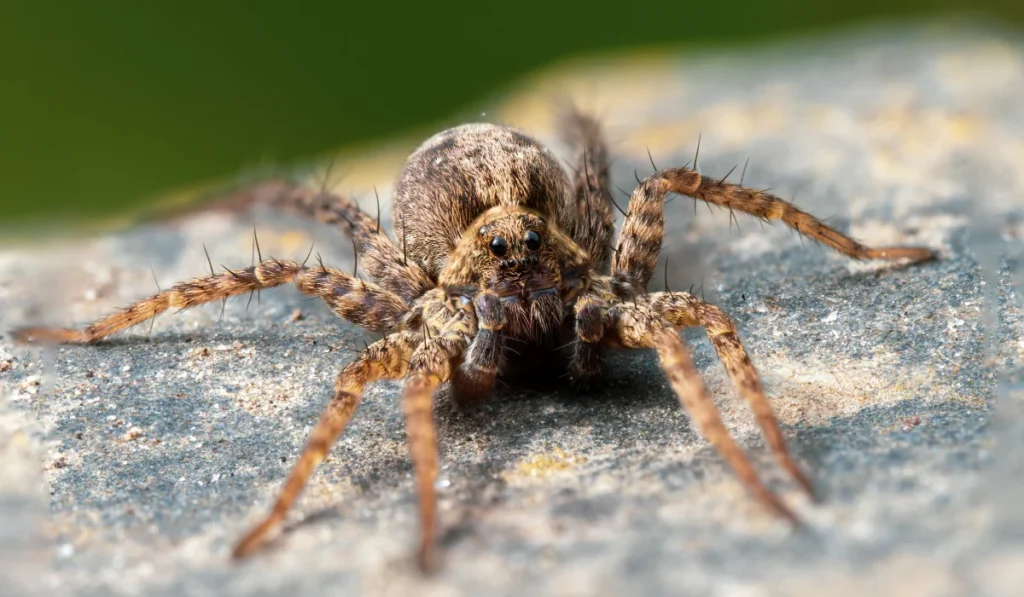
One common species you may find indoors is the American house spider. It is grayish to brownish with chevron-like markings on its abdomen and a body length of over 1/4 inch. This cobweb spider is well adapted to indoor life.
How Spiders Move Around Homes
Most spiders that turn up inside are moving rather than establishing permanent colonies. Adult brown recluse spiders, for example, are observed most often during spring months. Seasonal activity like this can drive noticeable increases in indoor sightings at certain times of year.
Trails and Entry Points Spiders Use
Spiders take advantage of gaps and openings around your home’s exterior. Reducing outdoor debris near the foundation removes both nesting habitat and easy pathways inside. Because most species wander in rather than build permanent indoor populations, sealing entry points can make a meaningful difference in how often you spot them indoors.
Risks From Indoor Spiders
Because some spiders can persist indoors for months or longer, homeowners may wonder whether a lasting presence creates real risks. The answer depends on which species you are dealing with. Most indoor spiders are nuisance pests, but a few carry more serious concern.
Health Risks Linked to Indoor Spiders
Some spiders that look alarming turn out to be no real threat, while others that appear ordinary may deserve closer attention. Knowing which species actually occur in your area helps you assess the situation.
Regional distribution plays a role. According to UC IPM, the brown recluse spider and the hobo spider do not live in California. Understanding which pests are present in a given area can prevent unnecessary worry and help you focus on species that may appear in your home.
Property Damage From Indoor Spiders
Spiders are not typically associated with structural or material damage the way some other pests are. Their webs, however, can accumulate in corners, light fixtures, and storage areas over time. The longer spiders remain indoors, the more webbing can build up, creating a persistent nuisance that requires regular cleaning.
Food Areas and Indoor Spider Activity
Spiders are predatory pests that feed on insects rather than human food. Their presence near kitchens, pantries, or dining areas usually signals that other small pests are nearby and serving as prey. A spider that has survived indoors for an extended period may indicate a broader pest population worth investigating.
When to Look Closer at Indoor Spider Activity
If you notice spiders appearing in the same areas week after week of your home over weeks or months, it may be worth taking a closer look. Persistent indoor activity can suggest entry points or conditions that allow them to stay comfortable. Identifying the species present, and confirming whether they belong in your region, is a practical first step toward deciding how to respond.
Professional Pest Control for Indoor Spiders
Because many indoor spiders can survive for months or longer, taking steps to control them early matters. A home with plenty of insect activity can support spider populations over time. A combination of prevention, inspection, and professional pest control gives you the best path toward reducing those numbers.
How to Reduce Attractants for Spiders
According to Mississippi State University Extension, indoor spiders such as American house spiders and brown recluses prey on insects that get inside your home, so anything you do to exclude insects will also help reduce spider populations. Sealing gaps around doors, windows, and utility entry points limits the insects that draw spiders in.
Keeping storage areas tidy also helps. Brown recluses tend to live in closets and other storage spaces, while American house spiders nest in corners of windows, basements, and garages. Reducing clutter in those areas removes hiding spots that allow spiders to settle in for the long term.
Why Indoor Spider Control Starts With Inspection
Some spiders are light brown, long-legged, and slender-bodied and are often mistaken for brown recluse spiders. Misidentification can lead to the wrong approach, so an inspection that covers common harborage areas helps determine what species you are dealing with.
An inspection also reveals the scope of the problem. Catching the issue early, before populations build, keeps the control process more straightforward.
What to Expect During Professional Indoor Spider Treatment
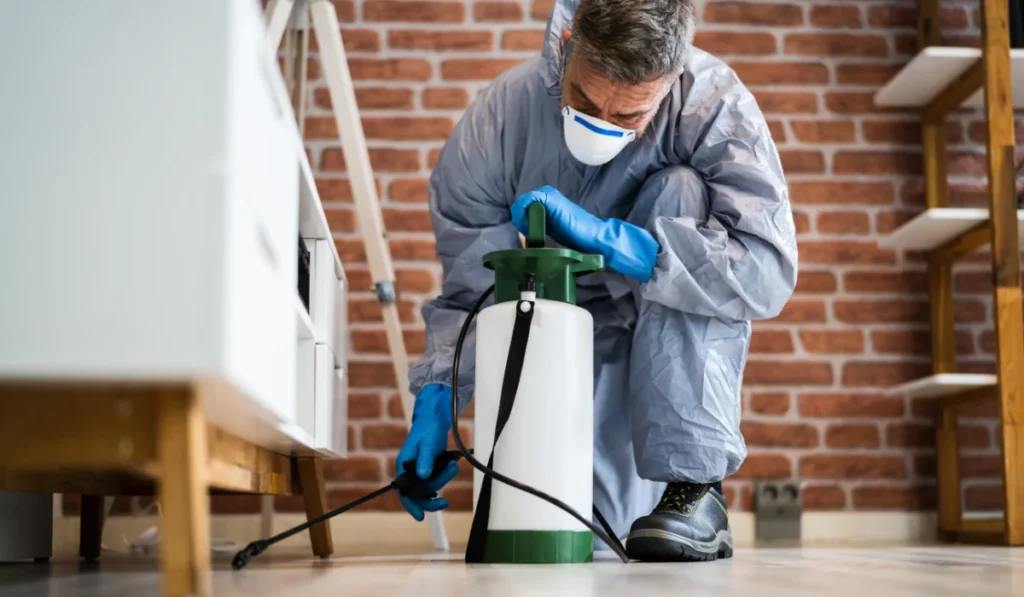
Professional pest control for indoor spiders typically involves targeted applications to voids, cracks, crevices, and baseboards where species like brown recluses shelter. Spot treatments may also be applied in corners of windows, basements, and garages where house spiders nest. This focused approach addresses spiders where they live.
Because brown recluse bites can be serious, according to Texas A&M AgriLife Extension, the best solution to a household infestation of these spiders is to hire a professional pest control company. Infestations can be difficult to manage, requiring a combination approach that covers multiple harborage areas throughout the home.
What to Expect From an Indoor Spider Control Plan
Pest Pros of Michigan combines exterior perimeter treatment with interior service when needed. The exterior perimeter treatment covers spiders along with ants, crickets, earwigs, centipedes, millipedes, and other common pests.
Service plans include the Home Pro-GPC at $49/month or $149/quarter for exterior-only coverage. The Home Pro Plus+ plan runs $59/month or $179/quarter and adds interior service upon request. The Home Pro Premium plan at $79/month or $249/quarter includes exterior and interior treatment every visit, plus rodent control and termite monitoring with a lifetime warranty on exclusion. An initial fee of $179 applies to all packages, plus the cost of stations.
Ongoing pest control helps keep insect prey populations low around your home, which in turn reduces the conditions that allow indoor spiders to thrive over their lifespan.
Bottom Line on Indoor Spider Lifespans
How long spiders live indoors depends on the species. Some wander inside temporarily while hunting and do not set up permanent residence. Others can settle in and persist for months or longer when food sources and shelter are available. Reducing the insects that attract spiders, keeping storage areas tidy, and sealing entry points can all help limit how long any spider sticks around.
If you notice a growing spider population in your home, Pest Pros of Michigan can help with an exterior perimeter treatment or interior service to address the issue.
Frequently Asked Questions
Do All Spiders That Get Inside Actually Live There?
No. Most spiders do not live and reproduce inside homes. Many wander in while hunting for prey or mates. They may build temporary webs but are not truly established residents of the structure.
Why Do Some Spiders Last Longer Indoors Than Others?
Species adapted to indoor environments can find steady food and sheltered hiding spots. When prey insects are plentiful and conditions are undisturbed, these spiders may persist much longer than species that entered by accident.
Can Keeping Bugs Out Help Reduce Indoor Spiders?
Yes. Indoor spiders feed on the insects that get inside your home. Steps that exclude insects, such as sealing gaps and maintaining screens, can also help reduce the spider population over time.
When Should I Call a Professional About Indoor Spiders?
A heavy infestation of indoor-dwelling spiders can require more work to bring under control. Professional help is especially worth considering when identification is uncertain or when spiders keep returning despite your own prevention efforts.

 Serving Michigan since 2018
 Pest-free guarantee
 Small, local business
 10+ years of pest control experience
 President and CEO of Pest Pros of Michigan
 Resident of Michigan