You wake up with a few itchy bites on your legs and start checking your mattress for signs of bed bugs. Everything looks clean, but then you wonder about the carpet near your bed, along the baseboards, and beneath nearby furniture.
So, can bed bugs live in carpet? Yes, they can hide in and around carpeted areas, especially near places where people sleep or spend long periods of time, though carpet is not their preferred hiding spot.
Understanding where bed bugs hide is one of the most important steps in controlling an infestation. In this guide, you’ll learn how bed bugs use carpeted areas in Michigan homes, what signs to look for, and what you can do if you suspect bed bug activity in your home.
Key Takeaways About Bed Bugs in Carpet
- Bed bugs can hide along carpet perimeters and in nearby furniture, making carpeted rooms a potential harborage area worth inspecting.
- Confirming an infestation requires finding the bugs themselves or their signs, such as fecal spots, blood spots, and shed skins, rather than relying on bites alone.
- Vacuuming carpets, rugs, and furniture regularly can help reduce bed bug numbers, but professional treatment is typically needed for lasting control.
- Pest Pros of Michigan uses a multi-step bed bug treatment process that includes HEPA vacuuming, targeted product applications, and a follow-up visit within 28 to 31 days.
How to Identify Bed Bugs in Carpet
When Michigan homeowners wonder whether bed bugs can live in carpet, the first step is knowing what to look for. Bed bugs are small, flat, oval-shaped insects that tend to hide in tight spaces close to where people sleep or rest. A confirmed infestation requires detecting the pests themselves or their characteristic signs, which include fecal spots, blood spots, egg cases, and shed skins, according to UC IPM.
How to Tell Bed Bug and Carpet Beetle Types Apart
Bed bugs and carpet beetles are two different pests that homeowners sometimes confuse. Bed bugs hide in mattress seams, box springs, headboards, and furniture. They are not a sign of poor hygiene and can appear in any type of accommodation.
Carpet beetles, on the other hand, target biological fibers. They feed on woolens, carpets, rugs, silk, furs, hides, and similar materials, as well as stored food products such as cereals, flours, and baking mixes. If the signs of damage point to fabric fibers rather than skin bites, you may be dealing with carpet beetles instead of bed bugs.
How to Spot Bed Bug Activity in Your Carpet
According to Oregon State University Solve Pest Problems, signs of bed bugs include reddish stains, tiny dark spots, and live bed bugs on bed sheets, box springs, furniture, baseboards and wall crevices, and personal belongings. Check seams and folds in carpeting near sleeping areas, where these signs can collect.
In an active infestation, you may find bed bugs in various growing stages, from egg to adult, as well as shed skins, fecal spots, and bloodstains in their hiding areas. Not everyone reacts to bed bug bites, so visual signs on surfaces are often more reliable than bites alone.
Where Bed Bug Activity Shows Up Around Your Home
Bed bugs typically live close to the host. Most are found within a 5-foot zone of the sleeping location, which can include beds, sofas, and chairs., which can include beds, sofas, and chairs. Within that zone, look along baseboards, wall crevices, nightstands, and items stored beneath the bed.
Often-overlooked spots include pictures on the wall, tapestries, blinds, and items on and within nightstands. Carpet edges near these areas can also harbor signs of activity, so inspect where the carpet meets the wall or furniture legs.
Exterior Entry Points Bed Bugs Use to Reach Your Carpet
Bed bugs are hitchhikers that can be brought into your home from hotels, public places, secondhand furniture, or even visitors. They do not enter from outdoor habitats the way many other pests do. Luggage, clothing, and used furniture are the most common vehicles.
Before bringing secondhand upholstered furniture or rugs into your home, inspect seams and folds for fecal spots, shed skins, or live bugs. Catching signs early can help you avoid introducing bed bugs to your carpeted rooms.
Why Bed Bug Problems Develop in Carpet
Understanding why these pests settle in carpet helps you address the issue sooner. Bed bugs favor carpet perimeters and baseboard gaps because these spots keep them close to sleeping areas. Carpet beetles target the carpet itself as a larval food source. Both pests can go unnoticed for weeks, making carpet a common trouble spot in homes.
Outdoor Nesting Areas Where Bed Bugs Thrive
Bed bugs are not outdoor pests. They feed on human blood and usually bite when people are sleeping, so they stay indoors near hosts. According to Purdue Extension, in most people the bites cause red welts and itching that can last several days, while some people have no reaction at all. That lack of visible signs allows populations to grow quietly before you notice them near your carpet.
Food and Shelter That Attract Bed Bugs Near Carpeted Areas
Bed bugs do not feed on carpet fibers, but carpet edges and the gaps beneath baseboards offer sheltered hiding spots between feedings. Carpet beetles are drawn to carpet for a different reason. Adults lay eggs on food sources such as furs, woolen fabric, carpets, animal skins, leather book bindings, feathers, hair, silk, and dried plant products.
How Bed Bugs Move Through Carpet
Once inside, bed bugs spread to mattress seams, box springs, carpet perimeters, and areas under baseboards. For carpet beetles, the most important step is to locate the source. Begin by checking the room where adults or cast skins were first detected.
Trails and Entry Points Bed Bugs Use in Carpet
You can remove bed bugs and eggs with the suction wand of a strong vacuum; however, you must target mattress seams, box springs, carpet perimeters, baseboards, and other hiding areas. Those carpet edges and baseboard gaps act as travel corridors connecting sleeping areas to hiding spots.
Frequent vacuuming of seams, edges, and crevices also removes carpet beetle food sources along with eggs, larvae, and adults. Paying attention to these trails and entry points helps you understand where to focus your inspection efforts.
Risks From Bed Bugs in Carpet
When you suspect pests in your carpet, the risks go beyond simple annoyance. Bed bugs and carpet beetles each bring distinct concerns for your household.
Health Risks Linked to Bed Bugs in Carpet
Bed bugs feed at night while you sleep, and bites may not be noticed until later. According to Kansas State University Extension, a single bed bug can consume up to six times its weight in blood, with feeding typically taking between 3 and 10 minutes. Bite reactions vary from person to person.
Carpet beetle larvae pose a different health concern. Skin contact with their shed skins and hairs can result in severe skin irritation or dermatitis. The hairs on shed larval skins can also cause respiratory problems, so a HEPA-equipped vacuum and an appropriate respirator are recommended when cleaning up carpet beetle infestations.
Property Damage From Bed Bugs and Carpet Beetles
While bed bugs do not damage household materials, carpet beetles are another story. According to Kansas State University Extension, it is the larvae that cause damage, even though the tiny adults flying near windows are often the first sign of a problem. Large accumulations of shed larval skins may build up near the infestation site, adding to the mess and making cleanup more involved.
Food Areas and Pest Activity That Attract Bed Bugs to Carpet
These pests can overlap in areas where carpet meets furniture or baseboards. Regular vacuuming of furniture, rugs, carpets, draperies, and baseboards is important. Reach into cracks and crevices where pests hide, and destroy the contents of the vacuum bag when done. This routine limits the buildup of shed skins and debris that attract or sustain multiple types of pests in your home.
When to Look Closer at Bed Bug Activity in Carpet
Frequently, a carpet pest problem is not detected until cast skins appear in window wells, cabinets, or closets. If you notice small bugs near windows, unexplained bites, or accumulations of shed skins along carpet edges, it is time to look more closely. Correct identification matters because bed bugs and carpet beetles require different control approaches.
Professional Pest Control for Bed Bugs in Carpet
When bed bugs take hold in carpet fibers and nearby furniture, DIY measures alone are unlikely to resolve the problem. According to Oregon State University Solve Pest Problems, vacuuming and laundering will not remove a bed bug infestation on their own and should be combined with professional treatment methods.
How to Reduce Attractants for Bed Bugs in Carpet
Reducing the places bed bugs can harbor makes any treatment more productive. Caulking and sealing as many cracks and crevices as possible helps limit their shelter options. Bed bug traps can also help, as bugs moving to or from furniture will be trapped in the interceptor and die.
Mattress and box spring encasements keep bed bugs from entering the mattress and remove hiding places. According to Purdue Extension, encasements also make future inspections and treatments much easier. Pest Pros of Michigan asks clients to bag up and discard unwanted items into an exterior trash receptacle rather than moving them to another room, which can spread the infestation.
Why Bed Bug Control in Carpet Starts With Inspection
A professional pest control company will inspect carpet edges, furniture joints, and other concealed spots as the first step. Professionals have special skills and tools to locate bed bugs in carpet edges, furniture joints, and other concealed spots. At Pest Pros of Michigan, the Initial Flex Service includes inspection, client education, and evaluation of site conditions before any treatment begins.
Good communication and cooperation between the homeowner and the service team are necessary for the IPM program to work best. Before scheduling, Pest Pros of Michigan requires clients to review and agree to the Bed Bug Prep Sheet and Agreement, which outlines expectations and preparation steps.
What to Expect During Professional Bed Bug Treatment in Carpet
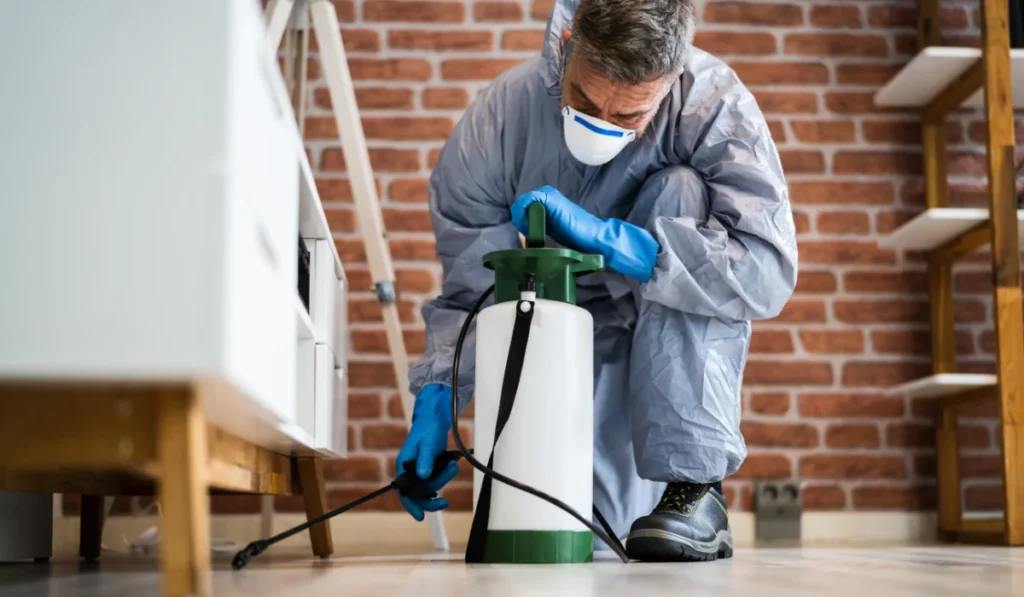
Pest management professionals are trained to apply treatments that involve heat, vacuuming, and targeted products. A hot steam machine and a vacuum cleaner can be used to kill or remove large numbers of bed bugs in heavily infested areas. Pest Pros of Michigan uses HEPA vacuum removal of live bed bugs, eggs, and debris to maximize treatment reach.
The Pest Pros of Michigan process includes applying Aprehend to non-contact surfaces, Sterifab to mattresses, and Cimexa or Alpine Dust in voids or other areas as needed. Encasements seal bed bugs inside the mattress or box spring, addressing bugs that may have avoided other control measures.
Steam treatments, encasements, and inorganic powders such as diatomaceous earth may all play a role. The IPM approach works best when the homeowner and pest control team cooperate throughout the process.
What to Expect From a Bed Bug Control Plan for Carpet
After the initial treatment, you should expect to see bed bugs for the first three weeks as they encounter treatment materials. Pest Pros of Michigan asks you to remake your bed and return to your standard sleeping habits, because your CO2 and body heat encourage remaining bed bugs to contact the applied products.
A follow-up visit is scheduled within 28 to 31 days based on technician observations. Services typically start at $800 for a small one-bedroom or efficiency apartment, with $200 additional for each extra room. This covers the initial treatment plus one follow-up. Additional follow-ups are billed at $200 per service as needed.
Soft items such as linens and clothing should be run through the dryer at high heat for 60 minutes, while hard items like shoes, books, and electronics stay in the treatment area for vapor treatment over a 21-day period.
Bed Bugs Living in Carpet: Bottom Line
Yes, bed bugs can use carpet as a hiding spot, though they tend to stay close to where people sleep or rest. Addressing an infestation means looking beyond the mattress and checking surrounding areas within that critical 5-foot zone. Reducing clutter, running soft items through the dryer on high heat, and working with a trained professional all play a role in gaining control.
Contact Pest Pros of Michigan to schedule an inspection and begin addressing the problem.
Frequently Asked Questions
How Do I Know If Bed Bugs Are Hiding in My Carpet?
Look for small reddish-brown bugs, shed skins, and tiny dark fecal spots along carpet edges and nearby furniture. Bites that appear in clusters or lines on exposed skin can also be a clue, though some people have no reaction and may not notice them at all.
Can I Get Rid of Bed Bugs in Carpet on My Own?
DIY treatments like sprays and foggers are often not successful and can make infestations worse by driving bed bugs deeper into hiding. Professional treatment using methods such as HEPA vacuuming, steam, and targeted product application is a more effective approach, with a follow-up visit scheduled within 28 to 31 days to confirm results.
How Long Does Bed Bug Treatment Take?
Treatment timelines vary based on infestation severity and homeowner participation. A follow-up visit is typically scheduled about four weeks after the initial service, and full resolution may take four to six weeks with proper management. Expect to see some bed bug activity for about three weeks following treatment.
Will Bed Bugs Come Back After Treatment?
If all bed bugs and eggs are addressed and new ones are not reintroduced, the infestation should not return. However, bed bugs can be reintroduced through travel, visitors, or secondhand items, so ongoing awareness is important. Inspect items carefully before bringing them inside.

 Serving Michigan since 2018
 Pest-free guarantee
 Small, local business
 10+ years of pest control experience
 President and CEO of Pest Pros of Michigan
 Resident of Michigan