Bedbugs in Michigan can turn up in any household, including clean, well-maintained homes. They often arrive unnoticed in luggage, secondhand furniture, or other belongings. You might first suspect them after finding dark spots along a mattress seam or waking up with unexplained bites. But skin reactions alone cannot confirm bed bugs. Knowing what the insects look like, where to search for physical evidence, and how to avoid spreading them will help you decide what to do next.
Are Bedbugs in Michigan Common?
Bed bugs are established pests in Michigan and can occur wherever people sleep or rest regularly, including houses, apartments, hotels, and other residential buildings.
Bed bugs feed on blood, usually while their hosts are resting. Their arrival has more to do with exposure to an infested location or belongings than the condition of a home’s kitchen, floors, or bathrooms.
Can Clean Homes Get Bed Bugs?
Yes. Someone living in a spotless home can unknowingly bring bed bugs back from a trip or introduce them through used furniture. The insects need access to a host and suitable hiding places, neither of which depends on poor housekeeping.
Cleaning and reducing clutter still have a role. Clear floors and accessible furniture make inspection easier, while fewer stored items mean fewer places to search during treatment. They are helpful management practices, not guarantees against infestation.
What Do Bed Bugs Look Like at Each Life Stage?
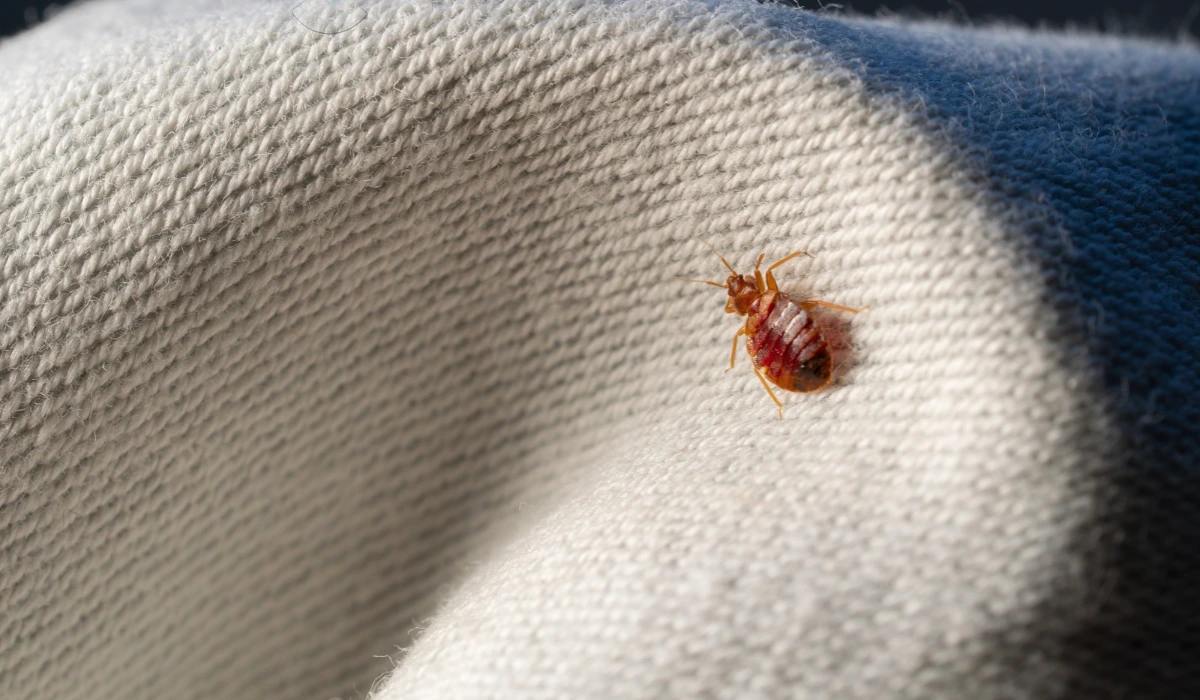
Adult bed bugs are small, reddish-brown insects with flattened, oval bodies. They have six legs, antennae, and no functional wings. The EPA’s bed bug resources provide identification and prevention guidance for recognizing these insects and managing infestations.
Their appearance changes as they feed and develop. A pale immature bed bug can be much harder to see than a reddish-brown adult, especially against light bedding.
Adult Bed Bugs
An adult bed bug is roughly the size of an apple seed. Before feeding, its body is broad and flat. After taking a blood meal, it becomes more swollen and elongated.
Bed bugs cannot jump or fly. They crawl between hiding places and areas where people rest, often using tiny openings in furniture to remain concealed.
Bed Bug Nymphs and Shed Skins
Nymphs look like smaller versions of adults. They are often pale before feeding, and their appearance changes as they develop through successive stages.
Each time a nymph grows and molts, it leaves behind an empty outer covering. These shed skins can collect along mattress piping, inside bed frame joints, or around other protected hiding places.
Bed Bug Eggs
Bed bug eggs are tiny, pale, and oval-shaped. They are often attached to surfaces in narrow cracks and other sheltered locations, making them easy to overlook.
Eggs can be difficult to distinguish from other small debris. A suspected egg should be considered alongside other evidence, such as live insects, shed skins, or fecal spots.
What Are the First Signs of a Bed Bug Infestation?
The early signs of bed bugs often appear near the places where people sleep. A live insect is the strongest clue, but stains, shed skins, and eggs may lead you toward an active hiding place.
Bed bugs spend much of their time concealed. A mattress can look normal at first glance even when insects are tucked into seams or furniture joints.
Bed Bug Signs Checklist
Check for the following evidence:
- Live bed bugs: Small, flattened insects around mattress seams, bed frames, or nearby furniture.
- Dark fecal spots: Small dark marks that may appear on fabric, wood, or other surfaces near hiding places.
- Shed skins: Pale, empty coverings left behind as young bed bugs grow.
- Eggs and eggshells: Tiny pale objects in protected cracks, seams, or joints.
- Blood spots: Small stains on bedding that may raise suspicion but cannot confirm bed bugs on their own.
Photograph anything suspicious. If you can safely capture a suspected insect in a sealed container, that specimen may help a professional make an accurate identification.
How to Check Your Mattress and Bed Frame
Remove the bedding and use a flashlight to inspect mattress seams, piping, and tags. Look closely where the fabric folds or joins another surface.
Next, examine the box spring, headboard, and joints in the bed frame. Check nearby nightstands, particularly where drawers, panels, and wooden pieces connect.
If you find evidence, avoid carrying the mattress or other furniture into another room. Moving affected belongings can transfer insects to places that were previously unaffected.
Bed Bug Bites vs. Mosquito, Flea, and Other Bites
An itchy mark on your skin cannot establish whether bed bugs are present. Mosquito bites, flea bites, and several non-insect skin conditions can produce similar bumps or welts.
The CDC’s bed bug information explains that reactions vary. Some people develop itchy marks, while others show no obvious skin reaction. Bed bugs are also not known to transmit disease to people, although bites can cause discomfort and scratching may lead to secondary skin problems.
How Bed Bug Bites Compare
| Possible Cause | What You Might Notice | Why It Isn’t Proof |
| Bed bugs | Itchy bumps or welts, sometimes clustered | Reactions vary and can be absent |
| Mosquitoes | Raised, itchy bumps | Appearance overlaps with other bites |
| Fleas | Small itchy marks, sometimes on lower legs | Location alone cannot identify the insect |
| Skin irritation | Redness, welts, or rash | Allergies and other conditions can resemble bites |
The pattern or number of marks may help you describe the problem to a healthcare professional, but it isn’t a dependable identification method.
If you’re concerned about an insect infestation, inspect the sleeping area for physical evidence rather than relying on bite patterns. Seek medical advice for severe reactions or symptoms that worry you.
Can You Have Bed Bugs Without Bite Marks?
Yes. Two people sleeping in the same room may have very different reactions. One may develop noticeable itching while the other shows no visible marks.
A lack of bites should not override physical evidence. If you find live bed bugs or convincing signs around the bed, investigate even when no one in the household has complained of itching.
How Do Bed Bugs Spread Between Homes?
Bed bugs crawl and can be carried from one location to another in personal belongings. They may remain hidden in fabric folds, furniture joints, or luggage compartments until the items are moved.
The risk comes from contact with infested environments or objects, not from how tidy the destination home is.
Hotels, Luggage, and Travel
Bed bugs may enter a suitcase or other belongings when they are close to an infested sleeping area. A traveler can return home without noticing insects or experiencing any bite reaction.
Once a bag is opened near a bed or upholstered chair, a concealed insect may move into nearby hiding places. Inspecting luggage and handling travel clothing carefully helps reduce that risk.
Used Furniture and Household Items
Secondhand couches, bed frames, and mattresses deserve a close inspection before entering your home. Bed bugs can hide beneath upholstery, along seams, and in wooden joints where they are difficult to spot.
A clean-looking piece of furniture isn’t necessarily free of insects. If you find suspicious marks or live bugs, keep the item outside the living area until it has been assessed.
Apartments and Shared Walls
Bed bugs can move between connected units through structural openings or travel with people and belongings. Shared buildings may therefore require a broader inspection than a detached house.
For renters, documenting findings and notifying property management promptly can help coordinate an appropriate response. Avoid moving potentially affected belongings through common areas without a plan to contain them.
Where Do Bed Bugs Hide Beyond the Mattress?
Bed bugs often stay close to places where people sleep or rest. Their flattened bodies help them fit into narrow gaps that are easily missed during ordinary cleaning.
An inspection should extend beyond the mattress, especially if someone regularly sleeps on a sofa or spends long periods in another upholstered chair.
Bedroom Hiding Places
Check the box spring, headboard, bed frame joints, nightstands, and cracks near the sleeping area. Bed bugs may shelter behind loose components or along protected edges of furniture.
Look around the entire bed structure rather than focusing only on the mattress surface. Upholstered headboards and furniture with numerous seams may require closer examination.
Sofas, Chairs, and Carpet Edges
Living room furniture can also provide hiding places. Examine cushion seams, fabric folds, and joints where upholstery meets the frame.
Bed bugs may occasionally shelter along carpet edges and nearby cracks, particularly when an infestation extends beyond the bed. Finding bed bugs in carpet does not mean they feed on carpet fibers. They seek access to people and protected places to hide.
How to Prevent Bed Bugs During Travel and at Home
You cannot eliminate every chance of exposure, but you can reduce the opportunities for bed bugs to travel home with you. The most useful habits involve inspecting sleeping areas, checking belongings, and taking care with secondhand furnishings.
Before and During Travel
Before unpacking in a hotel room, inspect accessible mattress seams and the headboard for insects, dark marks, or shed skins.
Keep luggage off the bed while checking the room. A luggage rack can help, provided you inspect it first and position it away from the bed and wall when practical.
If you discover convincing evidence, notify the property staff. Keep your belongings contained while the situation is addressed.
After Returning Home
Inspect luggage seams, pockets, and folds before putting the suitcase away. Avoid unpacking potentially exposed items directly onto a bed or upholstered sofa.
For machine-dryable clothing, an appropriately hot dryer cycle can help kill bed bugs. Follow fabric-care instructions and use an established treatment method rather than guessing at temperatures or exposure times.
If you find a suspicious insect, keep affected belongings contained until they can be inspected. Carrying loose items between rooms may spread the problem.
Before Bringing Home Used Furniture
Examine secondhand furniture outside or in an area where it can be assessed before entering your living space. Check seams, joints, undersides, and areas beneath loose fabric.
Finding live insects or suspicious residue should stop the move until the item is identified and addressed. Careful inspection of incoming furnishings is a practical part of preventing bed bug infestations.
Why DIY Bed Bug Treatments Often Fall Short
Bed bugs can remain hidden in cracks that household sprays or surface cleaning don’t reach. Different life stages may be present at the same time, and some insects may occupy furniture beyond the bed.
That makes treatment more involved than removing visible bugs or washing the sheets once. Effective control depends on identifying affected areas, preparing the space, and checking whether activity continues.
Why Bed Bug Bombs and Sprays Aren’t Enough
Total-release foggers, often called bug bombs, are not dependable stand-alone bed bug treatments. They may fail to reach insects sheltered deep in furniture joints or structural cracks.
A store-bought spray can also miss hidden insects or be used on surfaces for which it is not intended. Using multiple products without a coordinated plan can create safety concerns without resolving the infestation.
Avoid applying any treatment material to bedding, mattresses, or upholstered furniture unless its instructions specifically allow that use.
What Professional Treatment Involves
Professional bed bug control begins with confirming the insect and locating active areas. An inspection helps determine which rooms and belongings need attention.
Treatment may combine preparation, physical removal of visible insects, targeted methods, and follow-up monitoring. Some situations may also call for heat-based approaches where appropriate.
Pest Pros of Michigan’s bed bug service includes inspection, preparation guidance, targeted control measures, and follow-up assessment. The exact approach depends on what the inspection finds.
What Michigan Renters and Landlords Should Know
Renters who suspect bed bugs should document the evidence and notify their landlord or property manager promptly. Photographs, specimens, and notes about where activity was found can help support an inspection.
Property managers should investigate reports and consider whether connected units need attention. Responsibility for treatment arrangements and costs depends on applicable requirements and the circumstances of the property, so it should not be assumed from a general article.
Getting Help With Bedbugs in Michigan
If you’ve found a suspected bed bug, keep a photograph or specimen and avoid moving affected furniture around the house. Early identification can help limit unnecessary treatment and reduce the chance of carrying insects into another room.
Pest Pros of Michigan provides bed bug inspection and control services for homes in Kalamazoo, Grand Rapids, and surrounding communities. Its team can assess the activity and recommend an approach based on the affected areas.
If you’re finding live insects or recurring physical signs, contact Pest Pros of Michigan to request an assessment and determine the next steps for your home.
Frequently Asked Questions
Can You Have Bed Bugs in a Clean House?
Yes. Bed bugs can enter through luggage, furnishings, or other belongings regardless of housekeeping habits. Cleaning and reducing clutter can help with inspections and treatment, but they don’t eliminate exposure. Finding bed bugs is a reason to investigate their source, not a reason to assume the home has been neglected.
How Can You Confirm Bed Bugs if You Have Bites?
Bites alone cannot confirm bed bugs because other insects and skin conditions can cause similar marks. Look for live insects, shed skins, eggs, and dark fecal spots near beds and resting furniture. A captured specimen or professional identification can provide much stronger evidence than the appearance of a skin reaction.
Do Bed Bugs Die During Michigan Winters?
Cold Michigan weather won’t reliably eliminate bed bugs living inside heated homes and apartments. Leaving belongings outdoors isn’t a dependable treatment because temperatures may not reach every insect for sufficient time. Suspected infestations should be assessed using established control methods rather than relying on outdoor winter conditions.

 Serving Michigan since 2018
 Pest-free guarantee
 Small, local business