You spot a spider moving across the basement floor, then notice another one near a window a few days later. Before long, you’re checking corners, storage areas, and doorways, wondering where they’re coming from. The answer often comes down to how spiders get inside house spaces through small gaps, openings, and other entry points that most homeowners never notice.
In Grand Rapids, spiders commonly enter homes while searching for shelter, prey, or protection from changing weather conditions. In this guide, you’ll learn the most common ways spiders get indoors, why certain areas of your home attract them, and what you can do to help keep them outside where they belong.
Key Takeaways About How Spiders Enter Your Home
- Spiders typically follow insects indoors through gaps around doors, windows, and foundation cracks, so sealing entry points is one of the most practical steps you can take.
- Reducing clutter and keeping up with regular vacuuming can make your house less inviting to spiders and the insects they feed on.
- Most house spiders you find inside pose little risk to humans, but proper identification helps you know what you’re dealing with.
- Pest Pros of Michigan offers exterior perimeter treatments that cover spiders along with other common household pests, with interior service available when needed.
How to Identify Spider Entry Points in Your Home
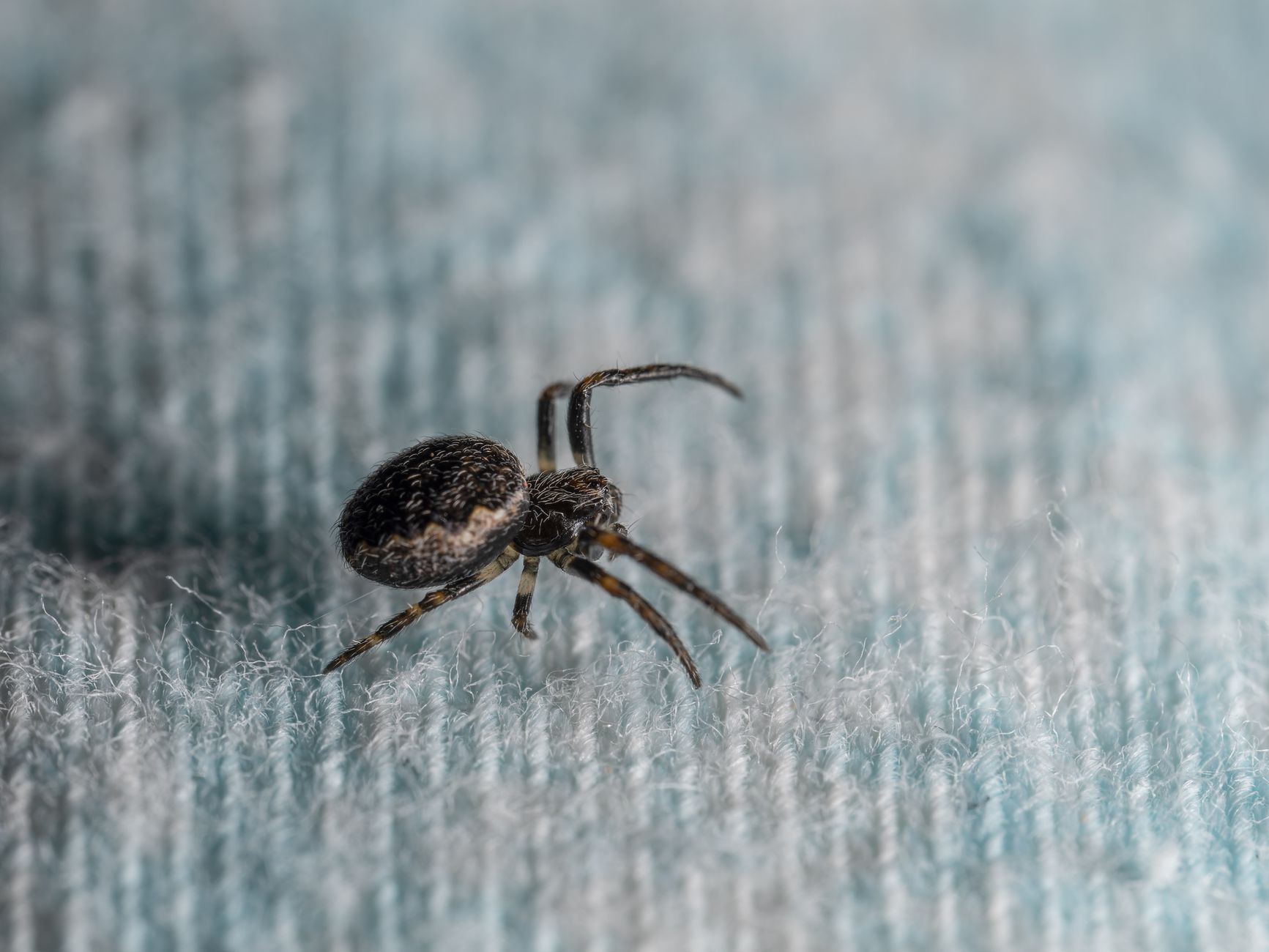
Understanding how spiders get inside your house starts with knowing what you’re looking at. Not every spider you spot indoors poses the same concern, and a closer look at the spider itself, along with where you find it, can tell you a lot about how it entered and whether it’s likely to stick around.
How to Tell Different Spider Types Apart
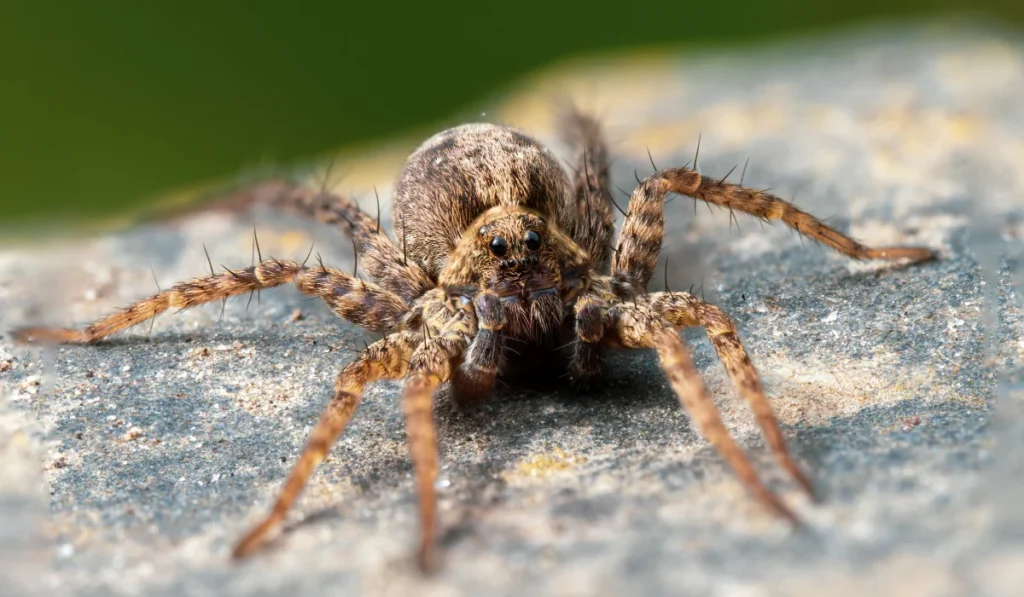
A few physical details help you distinguish common indoor spiders. The southern house spider, for example, has a single cluster of eight eyes. The brown recluse, by contrast, has just six eyes arranged in three distinct pairs. According to the University of Georgia pest guide, this eye arrangement is one of the most reliable ways to tell the two apart when they look similar at a glance.
Some spiders are harder to miss. Adult female Joro spiders can reach up to 1¼ inches in body size with long legs, and they build large orb webs that are sometimes gold-colored. Their size and web style set them apart from smaller house-dwelling species.
How to Spot Spider Activity Inside Your Home
Webs are the most obvious sign of spider activity indoors. You may also come across egg cases attached to webs or tucked into corners. When you find spiders, egg cases, or webs inside, vacuuming them up is a straightforward way to reduce their presence.
Some indoor spiders are actually beneficial. Southern house spiders consume pest species such as cockroaches, moths, and flies, so finding one may indicate that other insects have found their way inside as well.
Where Spider Activity Shows Up Around Homes
Spiders tend to set up where they can catch prey undisturbed. Look for webs and egg cases in low-traffic areas of your home, including corners, behind furniture, and along ceilings. Because southern house spiders feed on cockroaches, moths, and flies, their webs often appear near light sources or openings where those insects gather.
Large orb-style webs near the exterior of your home may belong to Joro spiders or similar orb weavers. These webs are sometimes built across open spaces between structures.
Exterior Entry Points Spiders Use to Get Inside
Spiders follow the insects they feed on, so entry points that allow smaller pests inside will also invite spiders. Gaps around doors, windows, utility openings, and foundation edges are common pathways. Keeping an eye on these areas and noting where webs reappear can help you pinpoint exactly how spiders get inside your house.
When you notice repeated web-building in the same spot, it usually means prey insects are active nearby. Vacuuming webs and egg cases as you find them helps you stay ahead of indoor spider activity.
Why Spider Infestations Develop Indoors
Spiders follow their food. When insects find a way into your home, spiders often follow close behind looking for a meal. Understanding what draws them in and how they travel helps you cut off the welcome mat before a few visitors turn into a noticeable indoor population.
Outdoor Nesting Areas That Draw Spiders Inside
Many pests thrive in both indoor and outdoor environments where they can find food, water, and shelter. Spiders take advantage of the same conditions. Areas around your home’s exterior that provide shelter and a steady supply of insects give spiders a staging ground. When outdoor food sources shift or outdoor shelter becomes less favorable, spiders may move closer to your foundation and doorways.
Food and Shelter That Attract Spiders Indoors
Spiders are drawn indoors primarily by food in the form of insects. Homes that harbor insects offer a reliable food supply, and spiders will settle wherever that food is available.
Regular vacuuming of indoor areas helps minimize spider food such as insects, removing the very resource that keeps spiders interested in staying. Less insect activity indoors means fewer reasons for spiders to set up residence.
How Spiders Move Around Your Home
Spiders are resourceful at finding routes inside. Gaps beneath doors are a common pathway for both spiders and the insects they feed on. Once inside, spiders tend to settle in undisturbed spots where food and shelter overlap. They may move from room to room as they follow insect activity through your living space.
Trails and Entry Points Spiders Use
The base of exterior doors is one of the most overlooked entry points. According to UC IPM, adding weather-stripping around the base of doors helps keep spiders and insects from entering your home. Addressing this single gap can reduce the flow of both spiders and their food sources into your living areas.
Focusing on limiting food, water, and shelter while blocking entry points gives you a practical, two-part approach to making your home less inviting to spiders and the insects they depend on.
Risks From Indoor Spider Infestations
Health Risks Linked to Indoor Spiders
Many homeowners worry about spider bites when they find these pests indoors. The good news is that some common house spiders belong to the same family as the black widow yet are not venomous and rarely bite humans, according to Mississippi State University Extension. Still, an unexpected encounter with a spider hiding in clothing or stored items can be startling and uncomfortable.
As Mississippi State University Extension notes, some spiders occasionally seek refuge in coats and other articles of clothing not worn for some time. This means you may reach into a closet without realizing a spider is inside or pull on a jacket and find a spider inside, which can be unsettling even when the spider poses no real health concern.
Property Damage From Spider Infestations
Spiders themselves are not typically a source of structural or property damage. However, their webbing can accumulate in visible areas of your home. Some species build small, funnel-like webs in cracks and crevices, which can create an unkempt appearance over time. Regularly finding webs in corners, window frames, or along baseboards is a common nuisance for homeowners trying to keep their living spaces clean.
Food Areas and Spider Activity
Spiders are drawn indoors partly because the pests they eat are already there. Cockroaches, for instance, are among the most common insect pests in homes and are especially troublesome wherever food is prepared or served. Cockroaches may also transfer disease-causing organisms. When these pests are present in kitchens or pantries, spiders may follow them inside as a food source.
Where you notice spider activity near food preparation areas, it can signal that prey insects are also present. Addressing those underlying pest populations can help reduce the conditions that draw spiders indoors in the first place.
When to Look Closer at Spider Activity
A single spider in a hallway may not raise concern, but repeated sightings in multiple rooms deserve closer attention. If you are finding spiders in stored clothing, inside cracks and crevices, or near food preparation areas, it may point to a broader pest issue in your home.
Persistent spider activity often reflects the availability of prey insects. Paying attention to where webs appear and how frequently you spot spiders can help you determine whether a closer look at your home’s pest situation is warranted.
Professional Pest Control for Indoor Spiders
Understanding how spiders get inside your house is the first step toward keeping them out. Spiders follow the insects they feed on, so reducing insect entry points goes hand in hand with spider prevention. A structured approach that combines your own efforts with professional pest control service can help address the root causes rather than just the spiders you see.
How to Reduce Attractants for Spiders
Spiders move indoors partly because their prey is already there. According to Mississippi State University Extension, indoor spiders such as American house spiders and brown recluses prey on insects that get inside the house, so anything you do to exclude insects will also help reduce spider populations. Fewer insects inside means fewer reasons for spiders to stay.
Keep clutter off the floor both indoors and around your home’s foundation outside. Indoors, remove spider hiding places such as boxes and other stored items. The less cover available, the fewer spots spiders can settle into unnoticed.
Watch for spiders when you bring items like firewood or potted plants indoors from the outside. These items can carry spiders or their egg sacs directly into your living space without you realizing it.
Why Spider Control Starts With Inspection
Before any treatment plan can work, your home needs an inspection that covers foundation cracks, window and door gaps, screen condition, and weather stripping. Checking for cracks in the foundation and gaps around windows and doors reveals the paths spiders and insects use to enter. These openings are often small and easy to overlook during routine maintenance.
Inspect window and door screens for good seals to keep out spiders and the insects they prey on. Torn or loose-fitting screens are a common oversight that gives both spiders and their food sources easy indoor access.
Weather stripping around doors and windows that lead to the outdoors should also be checked. Worn or missing stripping leaves gaps that spiders can slip through, especially at ground level.
What to Expect During Professional Spider Treatment
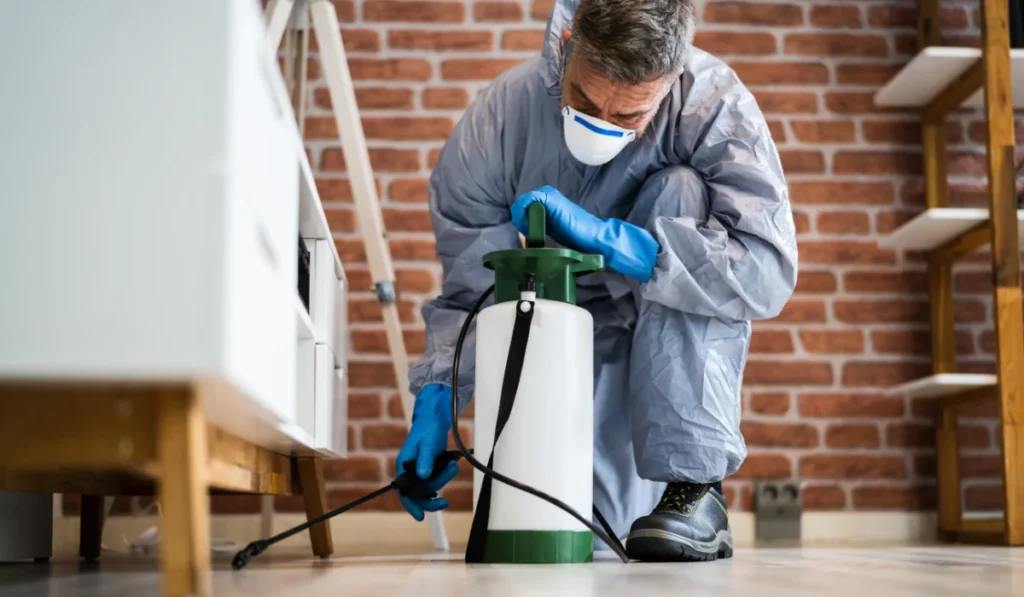
Pest Pros of Michigan uses an Integrated Pest Management approach. This means the focus is on identifying how spiders get inside your house and addressing those entry points, not just treating what you see. The exterior perimeter treatment covers spiders along with ants, crickets, earwigs, centipedes, millipedes, stink bugs, silverfish, boxelder bugs, and Asian lady beetles.
Interior service is available upon request or when needed to gain control. The goal is to seal cracks in the foundation and other parts of the structure and close gaps around windows and doors so spiders have fewer ways in.
What to Expect From a Spider Control Plan
Pest Pros of Michigan offers several plan options. The Home Pro-GPC package starts at $49 per month or $149 per quarter for exterior-only coverage. The Home Pro Plus+ plan runs $59 per month or $179 per quarter and includes interior service upon request, with optional add-ons for rodent control or termite monitoring at $10 per month or $30 per quarter, plus a lifetime warranty on exclusion.
The Home Pro Premium plan, at $79 per month or $249 per quarter, covers exterior and interior treatment every visit and includes rodent control and termite monitoring with a lifetime warranty on exclusion. An initial fee of $179 applies to all packages, plus the cost of stations.
A consistent pest control plan helps address the insects spiders feed on, which in turn helps reduce the spider populations inside your home. Sealing entry points, installing weather stripping, and keeping your home’s perimeter clear of clutter all support the work done during scheduled service visits.
Bottom Line on Keeping Spiders Out of Your Home
Spiders follow the insects they feed on, and both pests enter through the same overlooked openings around your home. Gaps near windows, doors, and foundations give them easy access, while indoor clutter and stored items offer places to hide once they are inside. A combination of sealing entry points, reducing hiding spots, and keeping up with routine cleaning can make your home less inviting. When spiders keep showing up despite your efforts, Pest Pros of Michigan can help with an exterior perimeter treatment designed to address spiders and the insects that attract them.
Reach out to our team to discuss a plan that fits your home.
Frequently Asked Questions
Why Do Spiders Come Inside in the First Place?
Spiders are drawn indoors by the presence of other insects they prey on. If your home has small flies, crickets, or similar pests, spiders may follow them through any available opening. Reducing indoor insect activity can make your space less appealing to spiders as well.
What Are the Most Common Entry Points?
Foundation cracks, gaps around windows and doors, and poorly sealed screens are among the most frequent ways spiders get inside. Worn or missing weather stripping beneath exterior doors is another common entry path that homeowners often overlook.
Does Keeping a Clean House Actually Help?
Yes. Regular vacuuming reduces the insects spiders feed on, which removes a key reason they stay. Clearing clutter from floors and organizing stored items also takes away the sheltered spots spiders prefer for hiding and building webs.
When Should I Call a Professional?
If you are finding spiders regularly despite sealing gaps and keeping up with cleaning, a professional perimeter treatment may be the next step.

 Serving Michigan since 2018
 Pest-free guarantee
 Small, local business
 10+ years of pest control experience
 President and CEO of Pest Pros of Michigan
 Resident of Michigan