If you have ever found a stink bug in your home, you know how fast the smell spreads. Many Michigan homeowners notice this issue, especially in the fall, which is when stink bug populations start moving indoors.
Stink bugs release odor as a defense mechanism. This smell helps them stay safe from predators. But inside your home, that same smell becomes a problem.This guide explains why these insects stink, how you can avoid making the smell worse, how to get rid of these insects, and when it’s best to get stink bug control services in Michigan.
Key Takeaways
- Stink bugs release odor-producing compounds called aldehydes as a defense mechanism to repel predators and as a communication signal to attract other bugs.
- Physical disturbance, crushing, handling, and trapping stink bugs causes them to release odor.
- In Michigan, stink bugs move indoors to overwinter, making the smell stronger and more common during colder months, especially in enclosed spaces.
- Sealing entry points and handling them carefully can reduce the unpleasant odor, but growing stink bug populations may require professional pest control.
Why Stink Bugs Give Off a Smell
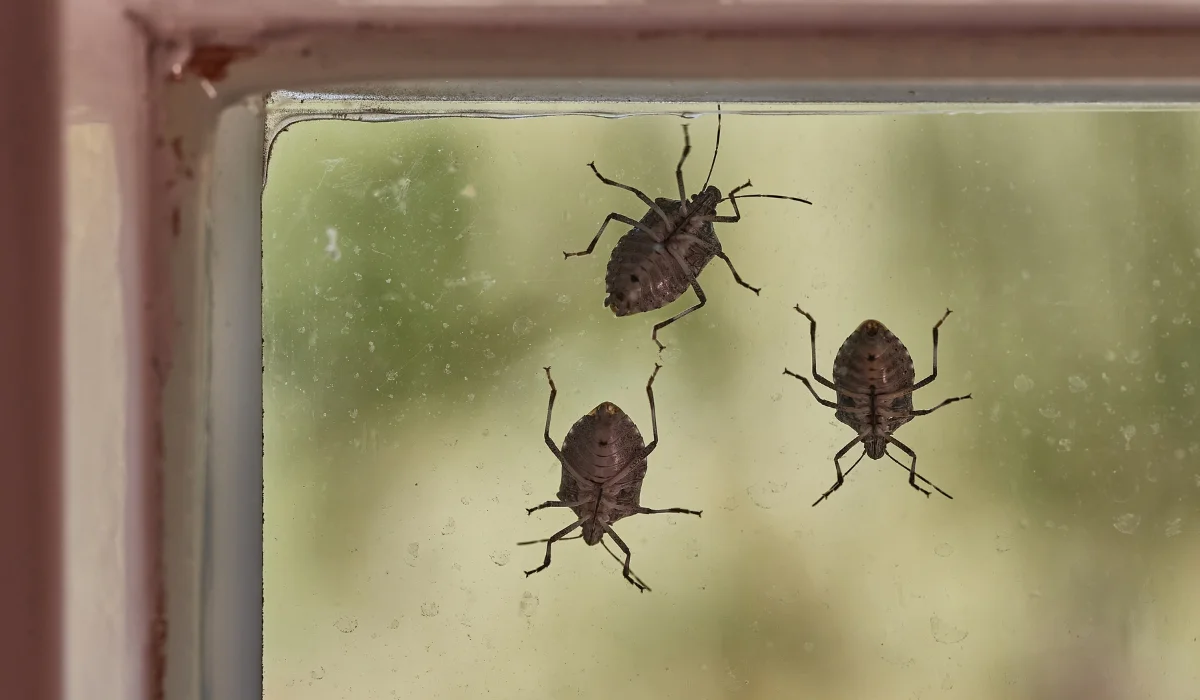
In Michigan and across North America, the brown marmorated stink bug, also called BMSB, is the most common stink bug species found indoors. These true bugs rely on scent to survive, which is why their presence is easy to notice.
Defensive Compounds Produced in the Thorax
A stink bug has scent glands in its thorax. When it feels danger, it releases odor-producing compounds called aldehydes.
Entomologists call this a defense mechanism. It works much like how skunks protect themselves.
Odor Designed to Repel Predators
The stink bug’s smell helps deter predators. Once released, the smell can stick to surfaces and stay in the air.
Birds and other insects learn to avoid them after encountering the strong odor.
Communication Between Stink Bugs
Stink bugs release odor to signal each other. One stink bug can attract more stink bugs to the same spot.
This is how their populations grow indoors. A single brown marmorated stink bug, for instance, can lead others to your home and increase the chance of an infestation.
What Makes Stink Bugs Release Odor Indoors
Certain actions cause stink bugs to release indoors. Knowing these triggers can help you avoid the smell.
Physical Disturbance or Crushing
Crushing a stink bug is the fastest way to release its smell. When its exoskeleton breaks, the odor comes out right away.
This creates a foul odor that spreads quickly. Even light pressure can trigger the smell.
Handling or Trapping the Bug
Stink bugs use their antennae to detect changes in their environment. When they feel trapped, they may release odor as a defense mechanism.
This often happens in entryways, windows, or tight spaces. Using a vacuum cleaner can also spread stink bug odor if the bag is not removed right away.
Seasonal Movement During Overwintering
Stink bugs enter homes to overwinter when temperatures drop. This happens every year in Michigan.
During this time of year, they gather in walls and attics. When they move around, several stink bugs may release odor at once.
Why the Smell Can Seem Stronger in Homes
Some people say stink bug odor is like cilantro or coriander. Others describe it as a sharp, unpleasant odor.
That smell often feels stronger indoors than outside.
Enclosed Living Space
Your home traps the smell. When stink bugs release odor, it stays in your living space instead of fading away.
Higher Concentration of Stink Bugs
When stink bug populations grow, the smell builds up. Groups of adult stink bugs and nymphs can release odor again and again.
This leads to a stronger smell and points to a possible infestation.
Hidden Entry Points and Gathering Areas
Stink bugs enter through small gaps around windows, doors, and siding. These entry points let them hide in walls and ceilings.
You may not see them at first, but the odor gives them away.
How to Reduce Stink Bug Odor in Michigan Homes
The best way to handle the odor is to prevent the problem early. Stop stink bugs from getting inside in the first place.
Seal cracks and entry points around your home. Use caulk around windows, doors, and entryways.
If you find stink bugs inside, do not crush them. Use a vacuum cleaner with a bag and throw it away outside. You can also place stink bugs in soapy water to trap them without spreading the smell.
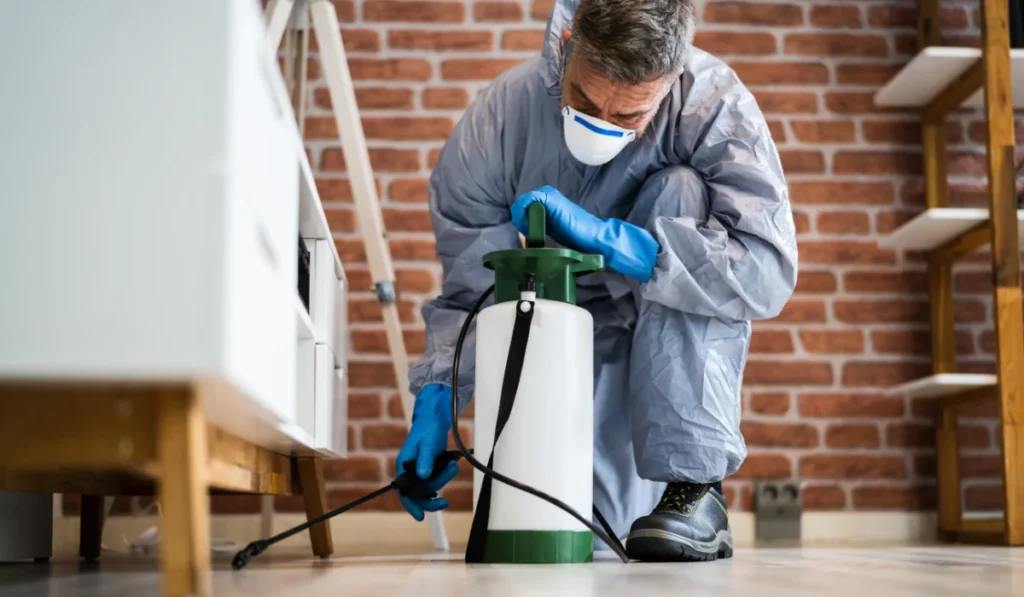
For larger problems, pest control services can help.
Making the Right Stink Bug Control Choice for Your Michigan Home
Stink bug problems can make your home uncomfortable fast. That strong odor can spread through your living space and linger for days.
You can reduce the problem by sealing entry points, not crushing stink bugs, and using simple removal methods. If the issue keeps coming back, it may be time for professional help. Pest Pros of Michigan offers pest control plans that include stink bug control. Contact us now to keep your home clear of stink bugs and other pests.
FAQs
FAQs
Why do stink bugs stink when crushed?
Stink bugs release odor when crushed because of their defense mechanism. Odor-producing compounds called aldehydes come from glands in their thorax, creating a strong odor that can linger indoors.
How can I get rid of stink bugs without smelling?
To get rid of stink bugs without smelling, avoid crushing them. Use a vacuum cleaner with a bag or place them in soapy water. These methods help contain stink bug odor.
Are stink bugs as harmful as termite pests?
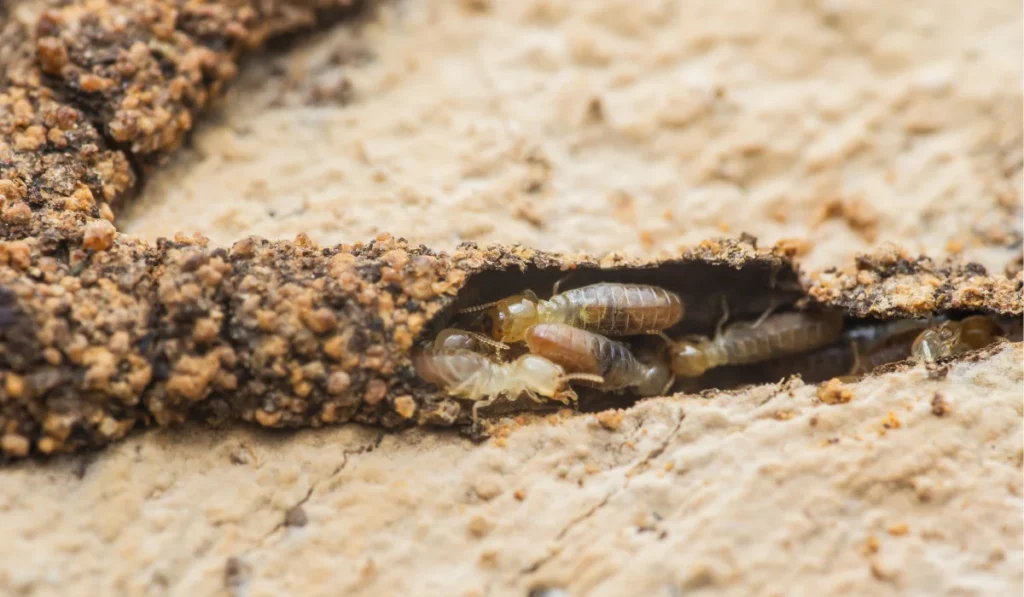
Stink bugs are not as damaging as termites, but they are still a nuisance. Large stink bug populations can lead to an infestation and create an unpleasant odor in your home.

 Serving Michigan since 2018
 Pest-free guarantee
 Small, local business
 10+ years of pest control experience
 President and CEO of Pest Pros of Michigan
 Resident of Michigan