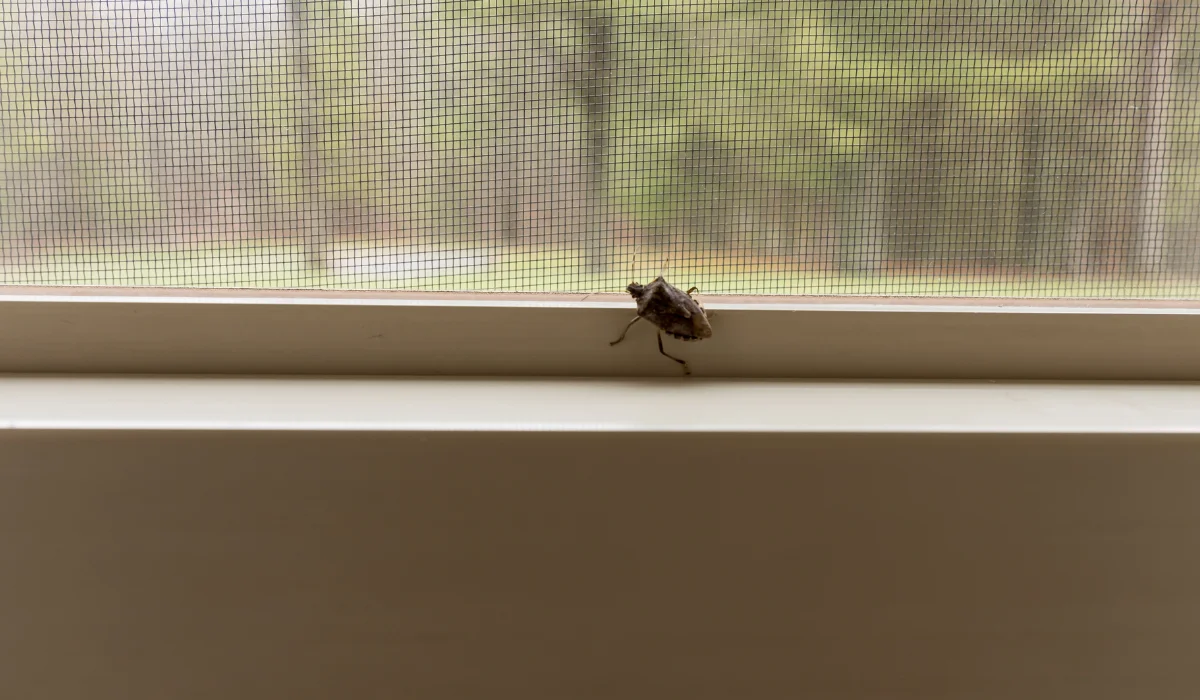
Stink bugs are common in Michigan homes. The brown marmorated stink bug (BMSB) is an invasive species native to Japan, Korea, and Taiwan. In late summer and early fall, these pests look for warm places to overwinter and enter homes.
Many homeowners notice stink bugs gathering on siding, windows, or under eaves. They then move inside and hide in walls, basements, and other quiet areas.
Knowing how stink bugs enter your home helps prevent an infestation. With a stink bug control plan, you can reduce indoor infestations.
Key Takeaways
- Stink bugs enter homes through small gaps and cracks.
- Brown marmorated stink bugs are the most common species in Michigan.
- Late summer and early fall are peak times for stink bug activity.
- Sealing entry points helps keep stink bugs out.
- Pest control services can reduce stink bug infestations.
How Stink Bugs Get Inside Homes
Stink bugs use small openings to get inside and may be drawn to areas where other stink bugs have gathered. Even tiny gaps can let large numbers of stink bugs inside as they search for sheltered spaces to overwinter.
Cracks and Crevices
Stink bugs often enter through cracks and crevices along siding, foundation lines, and trim. These gaps are common entry points, especially in older or shifting homes.
Gaps Around Windows and Doors
Windows and doors are major entry points for stink bugs. Damaged window screens and worn weather stripping let them slip inside. Check seals, repair screens, and keep doors and windows tightly closed to reduce access.
Rooflines and Fascia Areas
Stink bugs frequently gather near rooflines, fascia boards, and soffits. These areas provide warmth and shelter, making them common spots before they move indoors.
Utility Openings and Vents
Openings around pipes, vents, and cables can allow stink bugs to enter wall cavities and basements. These gaps often go unnoticed but give stink bugs direct access inside.
Why Homes Become More Vulnerable
Some homes attract more stink bugs. A few factors can increase stink bug activity around your home.
Seasonal Changes
Stink bugs become more active in late summer and early fall. Adult stink bugs search for places to overwinter, while nymphs from earlier stages of the stink bug life cycle mature and increase overall activity. As temperatures drop, stink bugs gather around homes and look for entry points.
Warm, Sunny Surfaces
Homes with more sun exposure, especially on south-facing walls, may attract more stink bugs. These warm surfaces act as resting spots before they move toward nearby openings.
Nearby Food Sources
Brown marmorated stink bugs are agricultural pests. They have caused crop damage in states like Pennsylvania, New Jersey, and Oregon, feeding on soybeans and fruits. Homes near fields, gardens, or wooded areas may have higher stink bug activity.
Gaps and Poor Sealing
Homes with unsealed gaps or worn exterior materials are more vulnerable to a stink bug infestation. Even small openings can let stink bugs enter over time.
Common Entry Points to Check First
Some areas are more likely to allow stink bugs inside. Check these areas first if you notice more stink bugs around your home.
Windows, Doors, and Seals
Inspect window screens, door frames, and weather stripping for gaps or damage. These are some of the most common entry points for stink bugs and should be maintained regularly.
Foundation and Baseboards
Cracks along the foundation can allow stink bugs into basements and wall spaces. Inside, they often appear near baseboards after coming through these gaps.
Attics, Rooflines, and Vents
Attics, vents, and rooflines are key access areas for stink bugs. Adding screens to vents and sealing openings can help limit entry.
How to Reduce Stink Bug Entry
Simple steps can help prevent stink bug infestations.
Seal Gaps and Openings
Use caulk to seal cracks and gaps around windows, doors, and utility openings. Sealing these gaps blocks common entry points and supports long-term stink bug control.
Maintain Screens and Seals
Repair window screens and replace worn weatherstripping to reduce the risk of stink bugs entering your home.
Remove Stink Bugs Safely
If stink bugs get inside, avoid crushing them. Instead, use a vacuum cleaner or place them in water mixed with dish soap to remove them and avoid direct contact.
Work With a Pest Control Professional
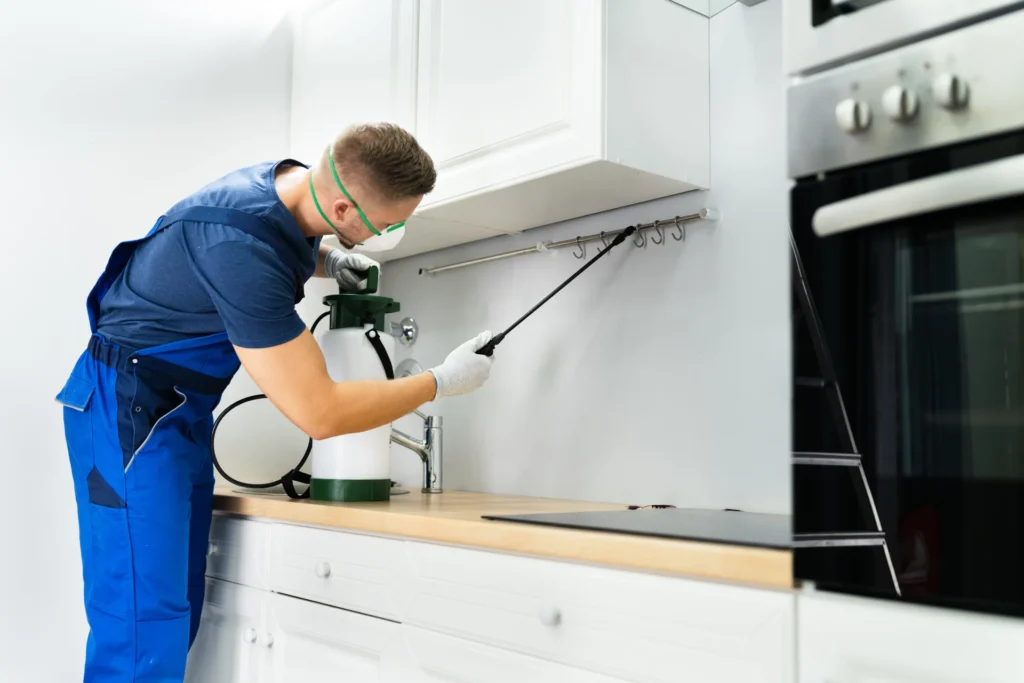
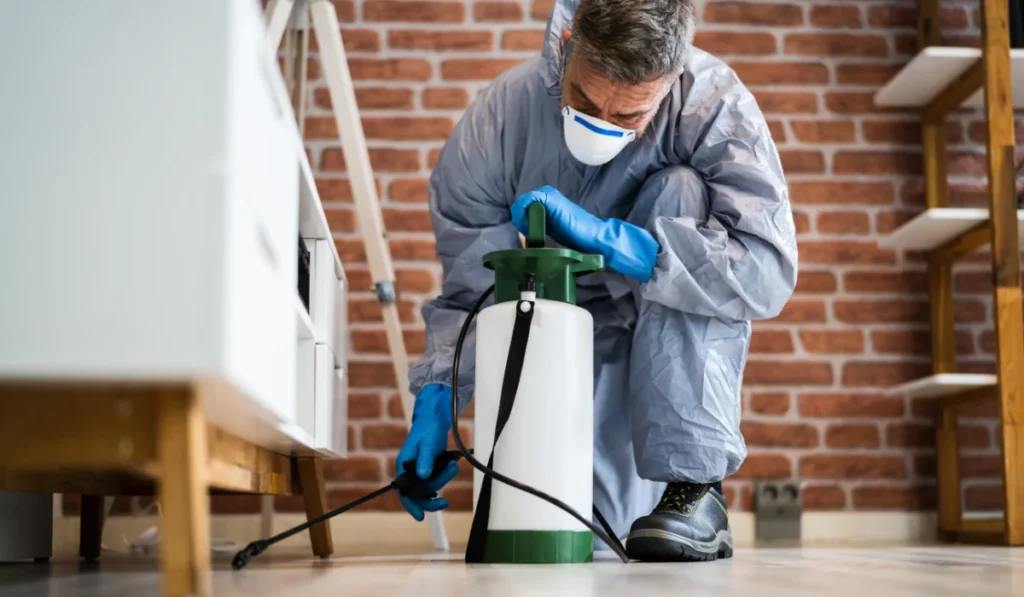
For larger infestations, a pest control professional can use targeted pest management methods and professional-grade products to reduce stink bug populations and limit future activity.
Schedule Stink Bug Control in Michigan
Stink bugs can become a bigger problem if ignored. Once they find a way inside, they may return year after year. Act early to reduce a stink bug infestation.
Pest Pros of Michigan offers pest control services to manage stink bugs and other common pests, including wasps, bed bugs, and termites. Our team can inspect your home, find entry points, and create a stink bug control plan.
If you want to get rid of stink bugs and keep them out, act before large numbers settle in. Contact us today to schedule a professional inspection and protect your home before stink bugs move inside.
FAQs
When do stink bugs enter homes in Michigan?
Most species of stink bugs enter homes in late summer and early fall as part of their seasonal life cycle. They look for warm places to overwinter as temperatures drop.
Where do stink bugs hide once inside?
Stink bugs often hide in walls, attics, basements, and behind baseboards. They stay hidden during winter and may become active when indoor temperatures rise.
What is the best way to prevent stink bugs?
To prevent stink bugs, seal entry points, repair screens, and maintain your home’s exterior. Pest control services can also help reduce stink bug infestations.

 Serving Michigan since 2018
 Pest-free guarantee
 Small, local business
 10+ years of pest control experience
 President and CEO of Pest Pros of Michigan
 Resident of Michigan