Termites do not need much time to create expensive problems. In many Michigan homes, they stay hidden behind walls, under floors, or in crawl spaces while feeding nonstop. That is why many homeowners do not realize they have a termite infestation until the damage is already serious.
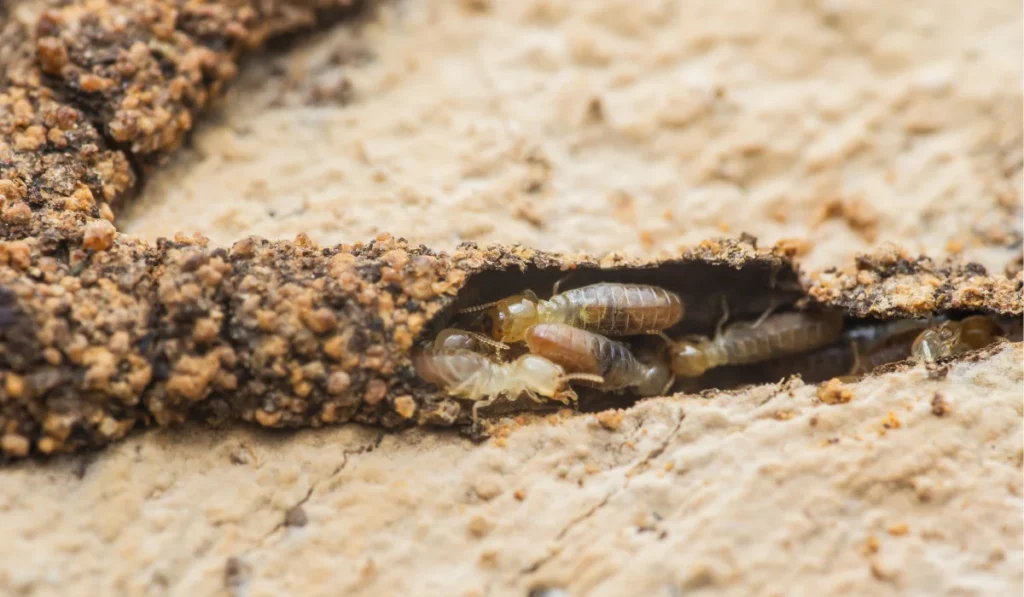
In Southwest Michigan, especially around Kalamazoo and Grand Rapids, subterranean termites are the main concern. They move from the soil into wooden structures through shelter tubes, then keep feeding as long as moisture and a steady food source are available. Because the damage occurs out of sight, a small issue can lead to costly repairs faster than most people expect.
The good news is that termite problems usually leave patterns that trained professionals can spot. When you understand how damage progresses, you can make better decisions about termite inspection, termite control, and long-term protection for your home or commercial property.
Key Takeaways
- Subterranean termites can start causing termite damage within months, especially when moisture is present.
- Damage often moves from hidden cosmetic issues to structural damage before homeowners notice clear warning signs.
- Large colonies, damp conditions, and easy access to cellulose all speed up the damage process.
- A pest control service can detect activity early and help prevent major repair costs from growing.
How Fast Termites Can Cause Serious Damage
Termite damage usually does not happen all at once. Instead, it builds in stages. That progression matters because what looks minor on the surface can point to a much larger termite colony working behind the scenes.
Early Stage: Hidden Feeding Starts
At the beginning, new or smaller colonies start feeding on materials containing cellulose. That includes framing lumber, trim, subflooring, paper-backed drywall, and other common building materials. At this stage, the damage is easy to miss because the wood’s outer surface may still look normal.
From a pest control standpoint, this is when early termite activity is easiest to stop and hardest for property owners to notice. A professional inspection may catch faint mud tubes, slight moisture issues, or small areas of damaged wood before the termite problem expands.
Middle Stage: Damage Becomes Noticeable
As the colony grows, feeding becomes more widespread. At this point, termite damage may start showing up as hollow-sounding wood, bubbling paint, sagging trim, or soft spots near windows and baseboards. Some homeowners first notice these changes in a basement or crawl space where conditions stay damp longer.
This is also the stage when a termite swarm may happen. Swarmers do not cause the damage themselves; they signal the presence of a mature colony nearby. When pest control professionals see swarmers indoors, they treat that as a sign that the infestation may already be established.
Late Stage: Serious Structural Damage Sets In
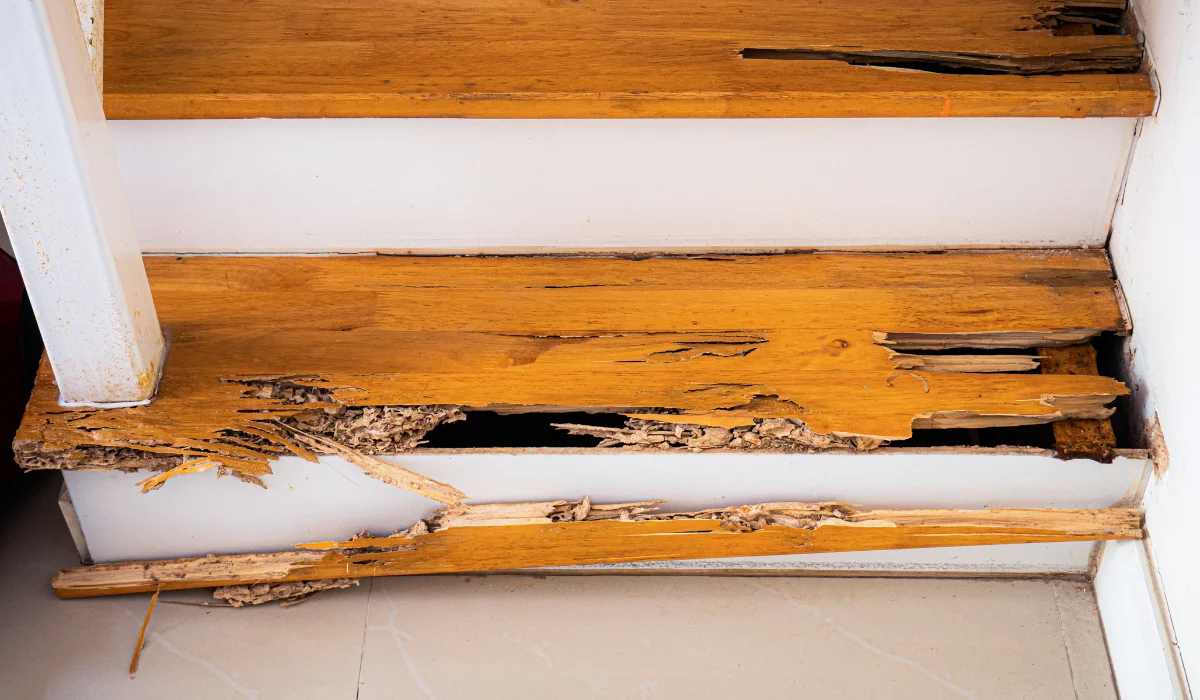
Once termites in Michigan have been feeding long enough, the risk shifts from cosmetic damage to significant damage. Support members can weaken, floors may start to dip, and doors may stick because the structure is no longer holding its shape the way it should.
That is when repair costs rise quickly. In more advanced cases, severe damage affects safety as much as appearance. For homeowners, tenants, and commercial property managers, this is the stage where termite treatment alone is not the whole expense. Repairs to structural damage often become part of the job.
What Makes Termite Damage Happen Faster
Not every termite infestation moves at the same speed. In real homes and buildings, professionals look at a handful of conditions that usually explain why one property suffers serious damage faster than another.
The Type of Termite on the Property
In Michigan, subterranean termites are the biggest concern because they live in the soil and stay connected to moisture. That makes them especially effective at invading homes year-round. They can build mud tubes from the ground to wooden structures and keep moving back and forth without drying out.
Other pests, such as drywood termites, dampwood termites, and even Formosan termites, come up in online searches, but they are not the typical Michigan driver of termite damage. From a local pest control perspective, the main focus remains the subterranean termite.
Moisture and Water Damage
Water damage speeds everything up. Leaks, poor drainage, wet sill plates, and humid crawl space conditions create ideal conditions for termites to stay active longer. Wood that stays damp is easier for them to feed on, and it keeps the colony closer to the structure.
That is why termite prevention and moisture control often go hand in hand. A pest control service is not just looking for insects. Professionals are also looking for the conditions that allow the infestation to keep growing.
The Size of the Colony
The size of the colony directly affects how quickly damage spreads. Smaller colonies may take longer to create visible issues, but large colonies can chew through major sections of wood over time without attracting much attention.
When technicians inspect a property, they look for signs of mature or new colonies. The difference matters because a larger termite colony usually means the infestation has been active for longer and may require more aggressive termite treatment.
Easy Access to a Food Source
Termites feed anywhere they can reach cellulose. That includes framing, trim, cardboard, paper, and other stored materials. If wooden structures touch soil directly, or if mulch and debris stay packed against the foundation, termites have an easier path in.
The type of wood also matters. Softer or moisture-damaged materials are often the first to be invaded. Once termites gain access, they rarely stay limited to one small area.
Signs of Damage May Already Be Advanced
By the time people notice clear signs of termite damage, the issue is often beyond the earliest stage. That does not mean the situation is hopeless, but it does mean timing matters.
Mud Tubes Along the Foundation
Mud tubes are one of the most common signs of termites and one of the strongest indicators of subterranean termites. These pencil-width tunnels protect termites as they travel between the soil and the structure.
When technicians find mud tubes on foundation walls, support piers, or inside a crawl space, they know active movement has likely been occurring for some time. This is one of the clearest signs of a termite infestation.
Hollow-Sounding or Soft Wood
Wood can look fine from the outside and still be heavily damaged inside. If trim, flooring, or framing sounds hollow when tapped, termites may have already eaten through the interior grain.
Professionals also check for blistering surfaces and damaged wood that breaks apart easily. Those are common signs of termite damage in both residential pest control and commercial pest control inspections.
Swarmers, Wings, Frass, or Droppings
Swarmers near windows or doors often mean a colony is mature enough to reproduce. Discarded wings are especially important because they show that swarmers have already settled nearby. Some people also notice frass or termite droppings, though that is more common with a different termite species than the ones usually found in Michigan.
Because termites and bed bugs are both hidden pests that people often discover late, property owners sometimes delay calling in to guess what they are seeing. In practice, that delay gives termites more time to keep feeding.
When Michigan Homeowners Should Schedule an Inspection
The best time for a termite inspection is before you are sure there is a problem. From a pest control view, early inspections are far easier than chasing advanced damage after the fact.
After Any Clear Warning Sign
If you see mud tubes, swarmers, hollow-sounding wood, or other signs of a termite infestation, schedule a professional inspection right away. Waiting a few more weeks can give termites time to spread into new areas.
This is especially true in spring and early summer, when termite swarm activity often gets attention first. A free termite inspection can help confirm whether you are seeing active termites or old evidence of termites.
When Moisture Problems Keep Coming Back
If your basement stays damp, your crawl space has humidity issues, or you have recurring leaks, your risk is higher. Moisture problems do not guarantee termites, but they do create the conditions that allow termite activity to continue longer.
That is why termite prevention often includes better drainage, repairs to wet areas, and regular monitoring. Preventive measures work best when they address both the insects and the conditions around them.
During a Property Sale or Service Plan Review
A termite inspection also makes sense during a home purchase, before renovations, or when reviewing an existing pest control plan. For some buyers, a free termite inspection or a clearance letter is part of the decision-making process.
It is also smart for homeowners to ask whether termite monitoring, termite control, a warranty, or broader residential pest control coverage is already included in their current pest control service. Since homeowners’ insurance often does not cover termite damage, early detection matters even more.
Protecting Michigan Properties Before Damage Spreads
Termites are quiet, but the damage they leave behind is not. What starts as a hidden termite problem can cause significant damage to floors, framing, and other key parts of a building if it goes undetected early.
That is why the right response is not guesswork or a generic DIY approach. It is a thorough inspection, a clear treatment plan, and a follow-up that are tailored to the property. Whether you need residential pest control, commercial pest control, or targeted termite control, Pest Pros of Michigan can help you act before termite damage becomes severe and leads to major repair costs. Contact us today to schedule your inspection with Pest Pros of Michigan and get ahead of termite damage in your Michigan property.
FAQs
How quickly can termites damage a house in Michigan?
Termites can begin damaging wood within a few months, especially when moisture is present, and the termite colony has easy access to a food source. Serious damage usually takes longer, but visible warning signs often appear only after the infestation has already grown.
What are the most common signs of termite damage?
Common signs of termite damage include mud tubes, hollow-sounding wood, soft trim, swarmers, and discarded wings near windows or doors. In more advanced cases, you may also notice sagging floors, warped frames, or damaged wood in a basement or crawl space.
Should I schedule a termite inspection even if I am not sure I have termites?
Yes. A professional inspection is the best way to confirm whether termite activity is present before the damage gets worse. This is especially helpful if you have moisture issues, are buying a property, or want year-round stronger termite prevention.

 Serving Michigan since 2018
 Pest-free guarantee
 Small, local business
 10+ years of pest control experience
 President and CEO of Pest Pros of Michigan
 Resident of Michigan