A bed bug problem in an apartment can be stressful. Bed bugs spread fast, hide in tiny crevices, and move from one rental unit to another. When that happens, tenants and landlords want to know who is responsible.
The answer depends on the lease agreement, the rental agreement, and how the bed bug infestation started. In some cases, the landlord is responsible. In others, the tenant may be responsible.
If you rent, manage, or own a rental property in Michigan, know what steps to take right away. Fast action stops the spread and makes bed bug control easier.
Key Takeaways
- Bed bug responsibility depends on how the problem started.
- Landlords often handle bed bug control in shared spaces or multi-unit issues.
- Tenants should report signs of bed bugs right away.
- Good records support legal issues and next steps.
- In many cases, a pest management professional treats a bed bug infestation to resolve the problem fully.
Who Is Responsible for Bed Bugs in Apartments?
Responsibility depends on how the bed bug infestation started. Here are the most common situations.
Landlord Responsibility
In many cases, landlords are responsible when a bed bug infestation affects more than one rental unit, based on local law and the lease agreement. This situation often occurs in apartment buildings where bed bugs spread through walls, hallways, or common areas.
The landlord may need to arrange pest control and hire an exterminator, depending on the lease agreement and local law.
Tenant Responsibility
A tenant may be responsible if the bed bug problem starts in that unit, based on the lease agreement and local law. Tenant responsibility often applies when someone brings in used furniture or fails to report signs of bed bugs, which makes the problem harder to control.
Michigan law allows responsibility to shift if the issue is caused by the tenant’s willful or negligent conduct, even though landlords still have general maintenance duties.
Shared Responsibility
Some cases are unclear. If no one knows where the bed bug problem started, both sides may need to work together. Both sides may need to allow entry for treatment, follow prep steps, and work with a pest management professional during bed bug control and follow-up visits.
What Michigan Rules Generally Say
Michigan rules can be complex. Here are a few basic ideas that explain how landlords and tenants handle these cases.
Habitability and State Law
State law generally requires landlords to provide a livable rental unit, which means they must address serious pest issues. A bed bug infestation can affect habitability if not handled within the timeframe set by local law.
Lease Agreement and Rental Agreement Terms
Your rental agreement explains who pays for pest control.
Some leases say the landlord handles bed bug extermination, while others assign responsibility to the tenant in certain situations. Review the lease agreement for details about pest control, follow-up service, and notice requirements.
HUD, Gov, and Fair Housing
In public or subsidized housing, additional housing rules may apply, focusing on proper response and safe living conditions.
Fair housing rules can also matter. In some cases, a tenant may request reasonable accommodation during treatment due to age, disability, or health needs.
What Tenants and Landlords Should Do First
The first few steps are critical. Quick action stops a small bed bug problem from growing.
Report the Problem Fast
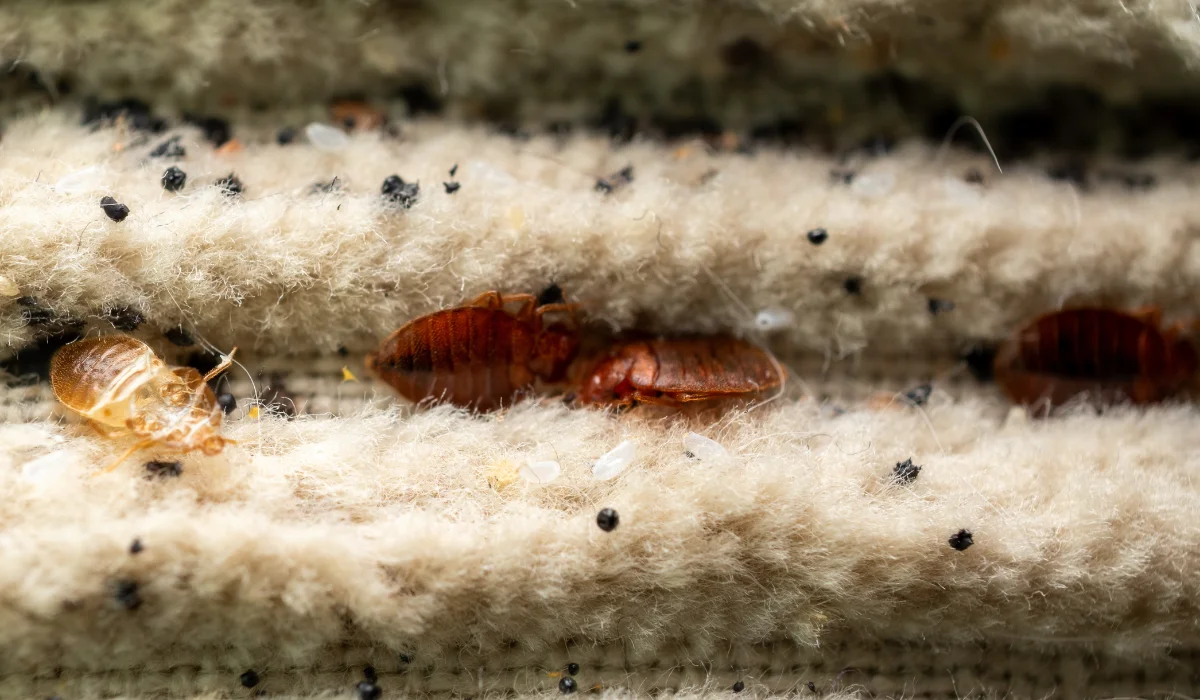
Tenants should report signs of bed bugs right away, such as bites, bloodstains on sheets, or visible bugs near the bed, so you can address the issue before it spreads to other units.
Schedule an Inspection
Once a tenant reports the problem, schedule an inspection right away so a pest management professional or exterminator can confirm the bed bug infestation and inspect nearby areas.
Follow Prep Instructions
Before treatment, tenants may need to wash clothing, seal items in plastic bags, and reduce clutter. Follow the exterminator’s instructions to support bed bug extermination.
Landlords typically help move the process forward and coordinate follow-up visits, depending on the situation.
How to Document and Respond to an Infestation
Good records protect both sides. They also make the response more organized.
Keep Written Records
Save all emails, texts, letters, and notices about the bed bug infestation to show when you reported the problem and what steps you and the landlord took. These records help if you need legal advice later.
Take Photos and Notes
Take photos of signs of bed bugs, such as bites or stains on bedding and furniture. Write down when and where you noticed the issue and where it appeared to help address legal issues or tenant rights questions.
Track Treatment and Follow-Up
List all inspections, treatment dates, and follow-up appointments, since bed bug control often requires multiple visits. This record can also help clarify ongoing service needs, renters’ insurance questions, or whether the pest management professional has resolved the issue.
Schedule a Bed Bug Inspection in Michigan
Bed bugs do not go away on their own. If you see signs of bed bugs in a rental unit, act fast to stop the spread to nearby units or common areas. to nearby units or common areas.
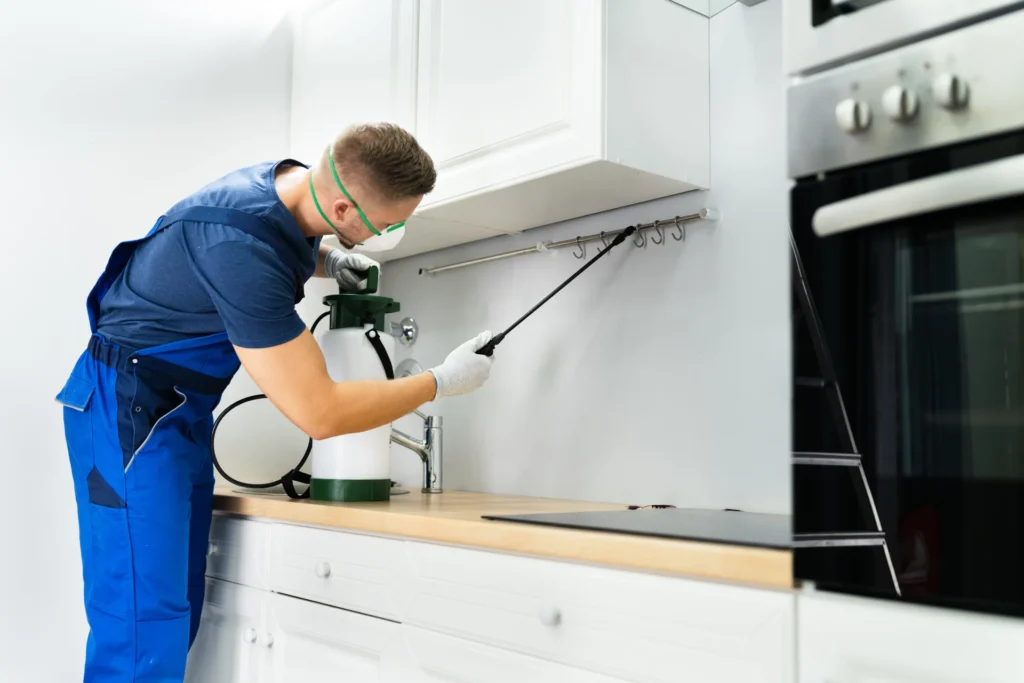
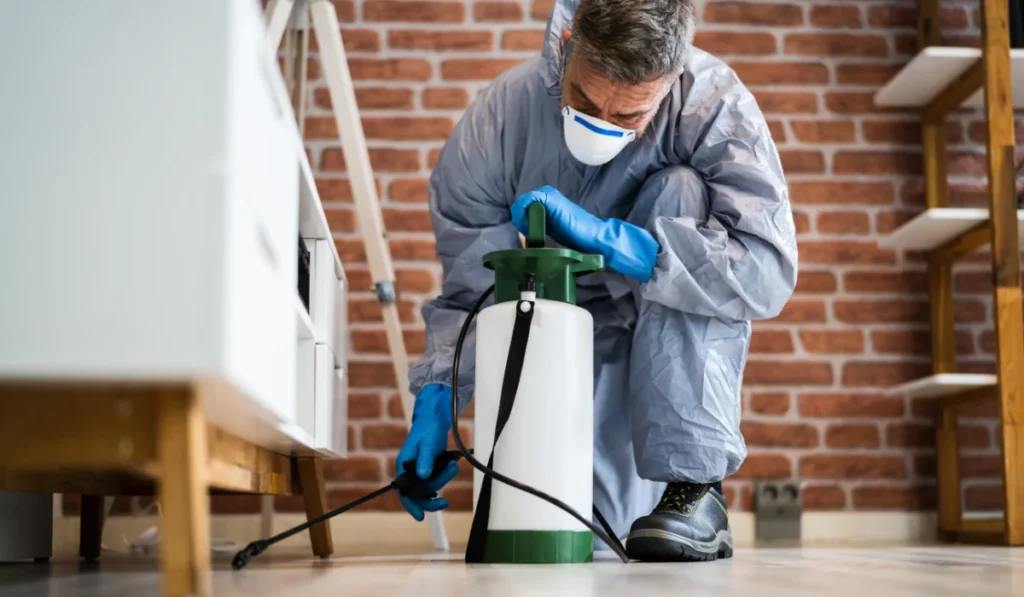
A professional exterminator can inspect the unit, confirm the bed bug infestation, and start bed bug extermination with a clear remediation plan.
Pest Pros of Michigan offers bed bug control and general pest control services for apartments, homes, and commercial spaces.
If you need help with a bed bug issue in Michigan, contact us. Early action can help limit the spread and make the problem easier to manage.
FAQs
Who usually pays for bed bug extermination in Michigan apartments?
It depends on the rental agreement and how the bed bug infestation started. In many cases, the landlord may pay when several units are affected, depending on the rental agreement and local law. A tenant may pay if the issue started in that unit.
Can a tenant be evicted for a bed bug problem?
Eviction depends on the lease agreement, the situation, and local law. It may become an issue if a tenant refuses entry, ignores prep steps, or fails to report the problem. Legal advice may help in serious landlord-tenant disputes.
Should tenants call an exterminator first?
Tenants should contact the landlord first. Many lease agreement terms require that. The landlord usually arranges pest control or sends an exterminator to inspect the rental unit.

 Serving Michigan since 2018
 Pest-free guarantee
 Small, local business
 10+ years of pest control experience
 President and CEO of Pest Pros of Michigan
 Resident of Michigan