If you’ve seen stink bugs crawling on your siding or near your windows, you’re not alone. Many Michigan homeowners deal with them every fall during stink bug season. As temperatures drop, these pests look for a warm place to stay.
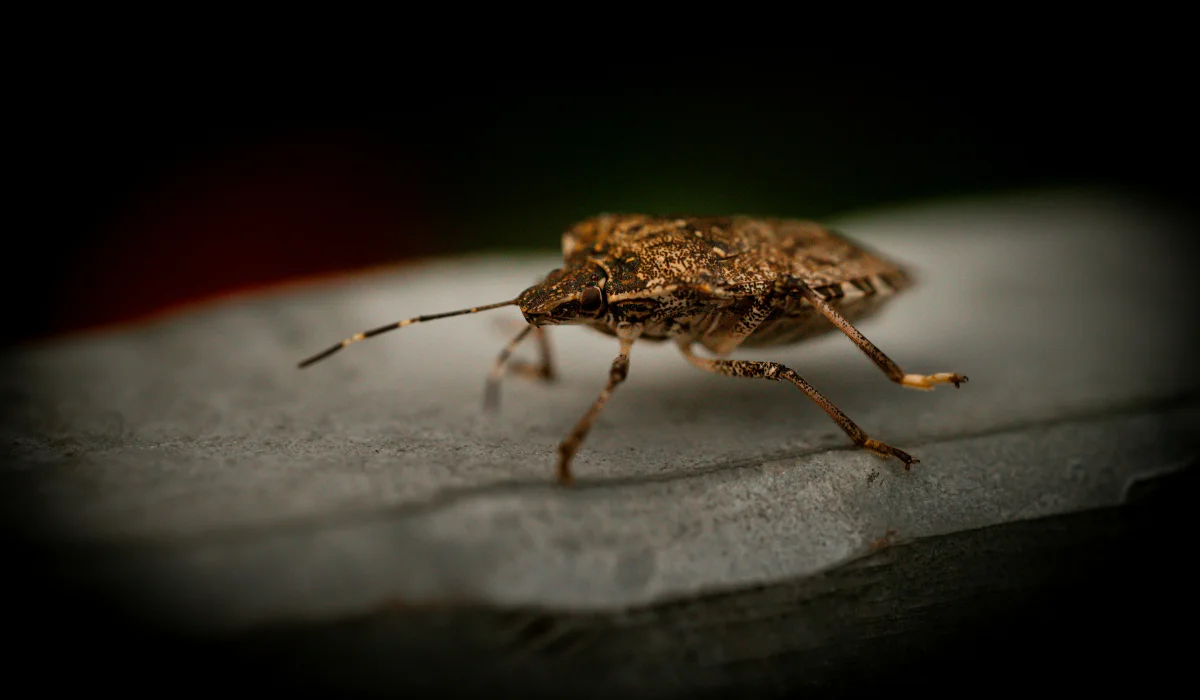
The main species is the brown marmorated stink bug, also called (BMSB). According to the US Department of Agriculture (USDA), this invasive species was first confirmed in Pennsylvania in 2001. It eventually spread to other states, such as New Jersey and Oregon.
Michigan is not exempt. The Michigan State University reports the spread of brown marmorated stink bugs throughout the state. While they don’t cause structural damage, they can still create problems. Find out what they do and don’t damage, and learn how to get rid of stink bugs to prevent future issues.
Key Takeaways
- Stink bugs don’t cause structural damage like termites, and they don’t reproduce indoors.
- Stink bugs enter Michigan homes for overwintering and may cause issues, such as releasing foul odors and leaving stains on walls, fabrics, and furniture.
- DIY methods, such as sealing entry points, vacuuming, and setting up light traps, can reduce stink bug activity, but you need professional pest control for infestations.
What Damage Stink Bugs Can Cause Indoors
When brown marmorated stink bugs enter your home, they’re looking for overwintering spots. Even though they don’t chew through materials, they can still create problems indoors.
Odor and Surface Contamination
The most common issue is the foul odor they release. When you disturb or squish an adult brown marmorated stink bug, it gives off strong-smelling secretions.
This smell can spread quickly, especially when large numbers gather in enclosed spaces like attics or wall voids. The odor can linger on surfaces and fabrics.
Staining on Walls and Fabrics
Stink bugs can leave stains behind when crushed or when their secretions touch walls, curtains, or furniture.
These stains are more noticeable on light-colored surfaces, often appearing as brown liquid streaks. Over time, repeated contact can make them harder to clean, especially during a long infestation.
Contamination of Indoor Spaces
Stink bugs may land on counters, furniture, or stored items. While they aren’t dangerous like some pests, they can still feel unpleasant.
Their mouthparts are designed for feeding on plants like soybeans, not people or food. Still, most homeowners don’t want them crawling through living spaces.
What Stink Bugs Usually Do Not Damage
Even though BMSB are frustrating, they aren’t destructive pests. This helps separate them from other insects that cause real property damage.
No Structural Damage
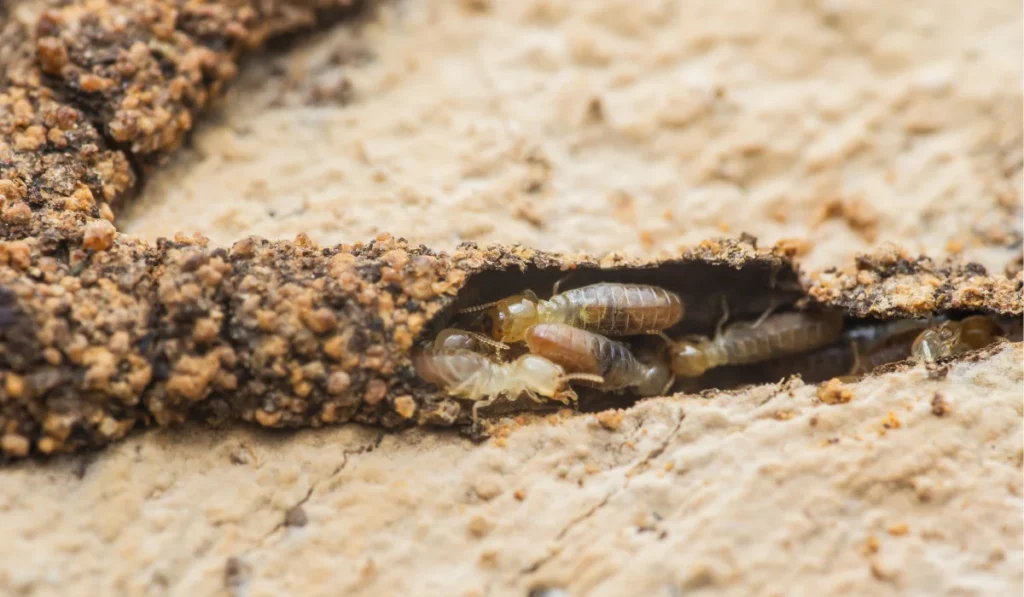
Stink bugs don’t cause structural damage to your home. They don’t chew wood, drywall, or insulation like termites.
They enter through existing entry points such as small gaps, fascia openings, or cracks around windows. They don’t create new holes.
No Reproduction Indoors
You may see large numbers of stink bugs inside, but they do not reproduce indoors. Their life cycle happens outside.
Nymphs develop outdoors during warmer months. Once inside, adult brown marmorated stink bugs are only there for overwintering.
From an entomology standpoint, their life cycle depends on outdoor conditions, which is why nymphs are not found developing inside homes.
No Damage to Wiring or Materials
Stink bugs don’t damage wiring, plastics, or stored items. They aren’t like rodents or other insects that chew through materials.
They’re simply sheltering from the cold, not feeding on your home.
When Stink Bugs Are More of a Nuisance Than a Threat
Stink bugs are agricultural pests causing damage to crops. In most Michigan homes, stink bugs are more of a nuisance than a threat.
Still, the problem can grow quickly under the right conditions.
Large Numbers During Fall and Winter
During stink bug season, large numbers of stink bugs may gather on sunny walls. This is when they look for entry points to get inside.
They often hide in crevices, attics, and wall voids. Once indoors, they may appear again on warm days.
Stink bugs also release a pheromone that attracts other stink bugs, which can lead to large numbers gathering in the same area.
Constant Indoor Sightings
Seeing a few stink bugs may not seem serious. But ongoing sightings can make your home feel uncomfortable.
Numbers of stink bugs can increase quickly if multiple entry points are available.
DIY Control Challenges
Many homeowners try DIY methods like vacuuming, using soapy water, or setting stink bug traps.
While vacuuming or a light trap can help reduce activity, these methods don’t stop the source. Using store-bought solutions indoors can also be risky if used incorrectly.
When a Michigan Stink Bug Problem Needs Professional Help
If you deal with stink bugs every year, there’s likely a bigger issue. Your home may have multiple entry points that allow them inside. Sealing these with caulk helps, but it takes a detailed inspection to find all access points.
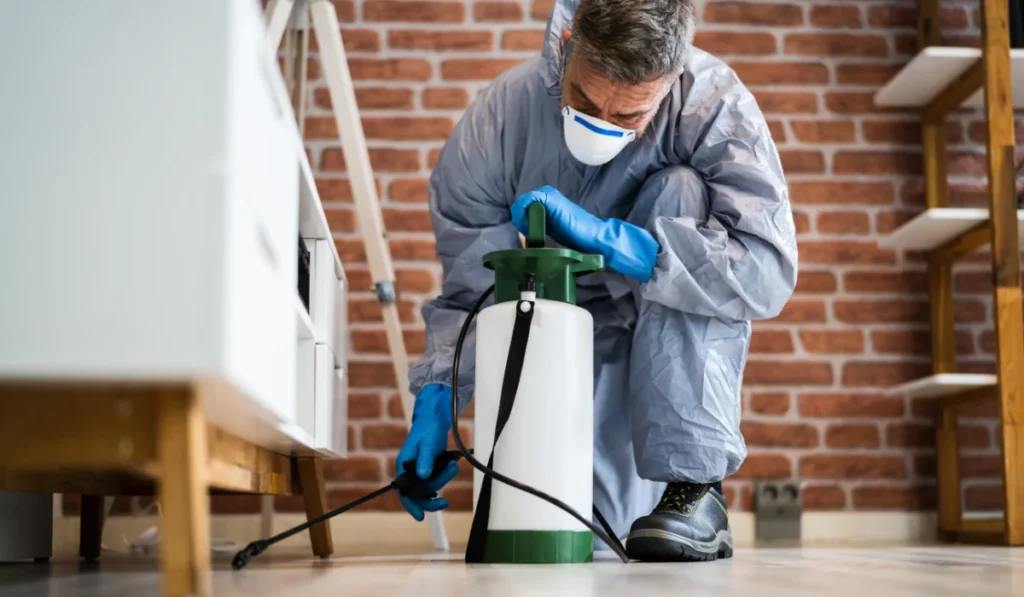
Pest Pros of Michigan offers professional pest control that focuses on long-term pest management. We provide pest control plans that cover occasional invaders like stink bugs, wasps, and other seasonal pests.
If you want to get rid of stink bugs for good and prevent new infestations before they start, contact us now.
FAQs
Do stink bugs cause structural damage to homes?
No, stink bugs don’t cause structural damage. Unlike termites, they don’t chew wood or building materials. They only enter through small openings and become a nuisance.
Why do stink bugs come inside Michigan homes?
Stink bugs enter homes for overwintering. As temperatures drop, they move through entry points and crevices into warm areas like attics and wall spaces.
What is the best way to get rid of stink bugs?
The best way to get rid of stink bugs is by sealing cracks, reducing entry points, and using proper pest control methods. DIY steps like vacuuming or soapy water help in the short term, but professional pest management offers better long-term results.

 Serving Michigan since 2018
 Pest-free guarantee
 Small, local business
 10+ years of pest control experience
 President and CEO of Pest Pros of Michigan
 Resident of Michigan