Wasp activity can cause costly problems when early signs are missed. Learn how long do wasps live, the signs, risks, and when to call Pest Pros of Michigan.
How Long Do Wasps Live?
Yes, wasps do have a defined lifespan, and it varies depending on their role within the colony. Worker wasps typically live a few weeks, while queens can survive up to a year by hibernating during winter. Understanding this life cycle helps you anticipate when wasps are most active around your home and when nests wind down.
Most workers and hornets die off in cold temperatures, but fertilized queens hibernate through winter to start new colonies in spring. Wasp activity peaks during summer and into early fall before the colony declines. Knowing this timeline can help you plan ahead.
Throughout this guide, we cover how to tell different wasps apart, the risks that nests near your home can pose, steps you can take to discourage nesting, and how professional treatment works when a colony is already established. Whether you are dealing with a single nest under an eave or noticing increased activity near your yard, the sections below walk you through what matters most.
How to Identify Common Wasp Species
That short worker lifespan means the colony you see around your home cycles through new generations from spring to fall from spring to fall. Understanding how wasp colonies function helps you recognize the signs of activity and know where to look around your property.
How to Tell Different Wasp Types Apart
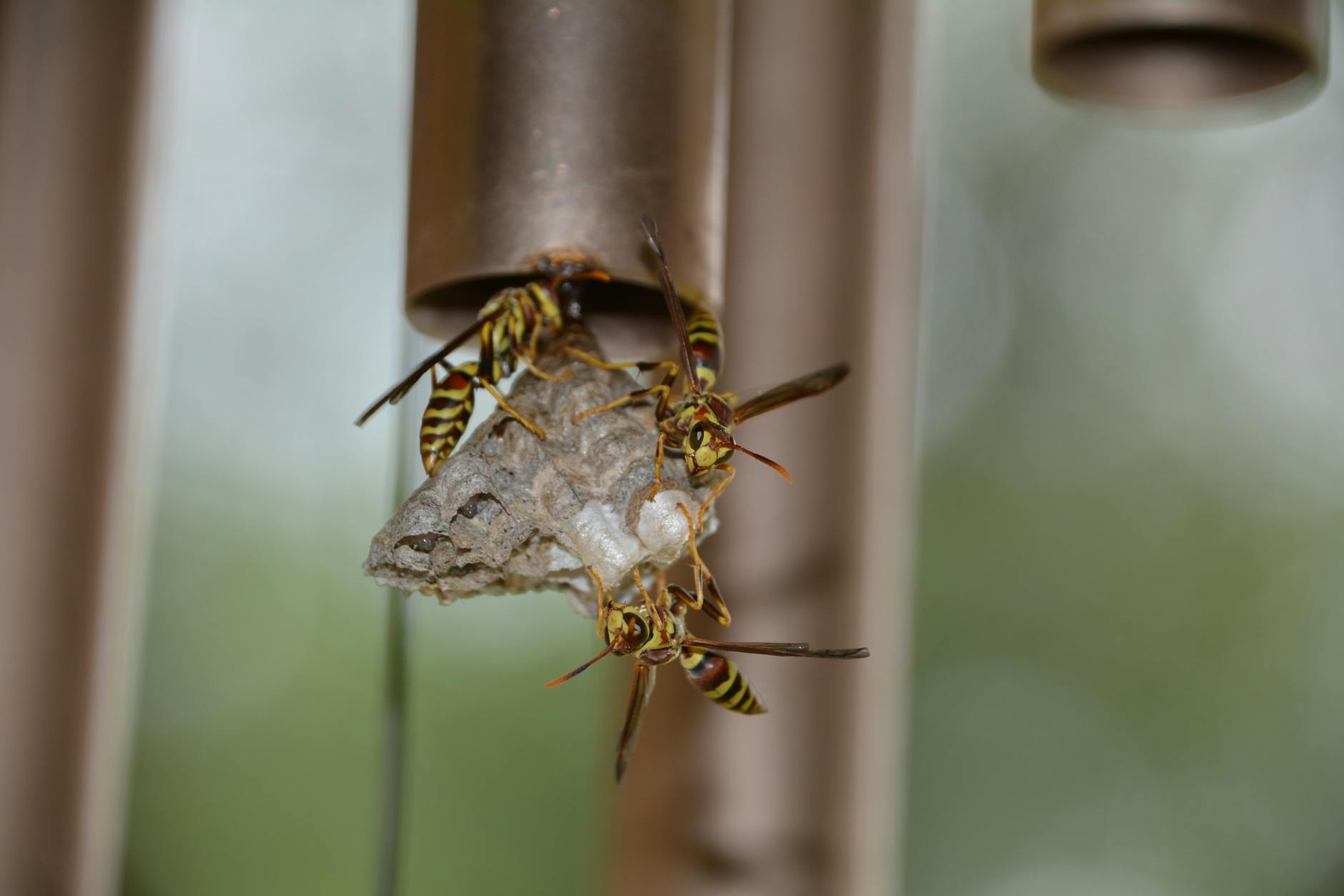
Social wasps such as yellowjackets and paper wasps live in populous colonies associated with a paper nest. According to Purdue Extension, a colony consists of an egg-laying queen and many sterile female workers. Social wasp colonies are annual, meaning they exist for one season only, and a nest is used only during the season it is built.
Paper wasp nests may be started by a single queen or a group of queens. When several females start a nest together, one becomes dominant and takes over egg laying while the others maintain the nest and are later joined by newly produced workers. Yellowjackets also build paper nests but often place them in the ground or inside wall voids, making them harder to spot.
Bumble bees, by contrast, are social and nest in the ground. They can become aggressive when their nest is threatened but are distinct from wasps in appearance and behavior.
How to Spot Wasp Activity Inside Your Home
The main issues homeowners encounter are normally yellowjackets in ground nests, wall void nests, or around foliage near the home. If you notice wasps flying in and out of a gap in your siding or hear buzzing behind a wall, a nest may be developing inside the structure. Because each nest lasts only one season, interior activity typically starts in spring and builds through summer.
Where Wasp Activity Shows Up Around Homes
Previously mated, overwintering yellowjacket and paper wasp queens typically begin their nests in spring when the weather becomes warm. The queen leaves hibernation in late winter to early spring to feed and start a new nest. Watch for early nest construction under eaves, in attics, or in sheltered spots around your property during this period.
Exterior Entry Points Wasps Use
Yellowjackets exploit gaps in walls, eaves, and attics to access interior spaces for nesting. Old nests are not reused, but new queens may attempt to establish a nest in or near the same location each year. Inspect and seal gaps around the exterior of your home each spring and fall can reduce opportunities for nest establishment.
A mistake during yellowjacket nest treatment can result in hospitalization or death from excessive stings, according to the University of Georgia pest guide. Disturbing a nest without proper protection poses a serious sting risk, so identifying nest locations early matters for your safety.
Why Wasp Problems Develop
The colony produces new short-lived workers throughout the season, keeping the nest active until freezing temperatures arrive. Knowing this cycle makes it easier to recognize when and where problems are most likely to develop.
Outdoor Nesting Areas for Wasps
Wasp nests are typically umbrella-shaped and found under eaves, in attics, or in trees. Hornet nests are larger, enclosed, and often shaped like a football, commonly attached to buildings or tree branches. According to Kansas State University Extension, each colony dies out every winter with only a single queen surviving, and new queens often build fresh nests in or near the same locations the following spring.
Food and Shelter That Attract Wasps
Workers look for food and care for the young while the queen produces more eggs. As long as food is plentiful, the queen’s egg production stays at its maximum. Workers returning with food share nutrients with departing nest mates through trophallaxis, passing along communication chemicals that help coordinate foraging.
Some larvae receive extra food during development and grow much larger than those destined to become workers. This food-driven caste system means a reliable food supply near your home can support a bigger, longer-lasting colony through the warm months.
How Wasps Move Around Homes
Wasps and hornets become more aggressive in late summer and fall as their colonies reach peak population and natural food sources dwindle. Workers range farther from the nest to scavenge, often appearing near human activity. The nest remains active until freezing temperatures, usually in the mid-to-upper 20s °F, kill the old queen and the workers.
Trails and Entry Points Wasps Use
Gaps in walls, eaves, and attics give wasps access to sheltered spaces where nests can grow undisturbed. Nests inside walls or attics can be harder to detect until foraging workers are regularly visible near entry points. Inspect these areas in early spring and midsummer to spot activity before the colony reaches its late-season peak.
Risks From Wasp Infestations
Because a wasp colony can remain active from spring through late fall, the risks it poses stretch across several months. Understanding how long wasps live helps you gauge when stinging pressure, property concerns, and nuisance activity are most likely around your home.
Health Risks Linked to Wasps
Wasps and hornets can sting multiple times, unlike honey bees that sting once and die. Nests near human activity pose a serious sting risk, and disturbing a nest can trigger defensive behavior leading to multiple painful stings. As colonies grow through summer and reach peak population by fall, the chance of an encounter rises.
Late summer and fall bring added concern as wasps scavenge near people with greater intensity. If you are stung, wash the site, apply a cold compress, and take an antihistamine if swelling occurs. Seek medical attention for difficulty breathing, swelling beyond the sting site, or signs of an allergic reaction.
Property Damage From Wasps
Wasp lifespan and nesting habits can lead to property issues beyond the sting threat. According to the University of Georgia pest guide, Cedar boards are particularly susceptible to extensive damage by carpenter bees, which belong to the bee family (Apidae) and are distinct from wasps but share seasonal overlap and are also stinging insects in the order Hymenoptera..
Mud daubers construct vertical mud tubes, typically 4 to 6 inches long, on walls and other surfaces in sheltered areas protected from rain, leaving unsightly residue on siding, eaves, and outbuildings., leaving unsightly residue on siding, eaves, and outbuildings.
When wasp or hornet nests form inside wall voids, treatment may require drilling or opening drywall for removal. If nest removal is declined, decaying biological material inside the structure becomes the homeowner’s responsibility.
Food Areas and Wasp Activity
Outdoor dining spaces, garbage cans, and sugary drinks left in the open can draw wasps throughout the months a colony is active. Because the colony produces new workers throughout the season, foraging pressure near food areas stays steady from midsummer into fall. Removing exposed garbage and covering beverages helps reduce encounters during this window.
When to Look Closer at Wasp Activity
According to Kansas State University Extension, by fall the nest reaches its maximum size and is empty by winter, with only the queen overwintering to begin a new colony the following year. Old nests are not repaired or reused. Regular inspections of eaves, attics, and wall gaps during early spring can help you spot new nest construction before a colony grows.
Professional Pest Control for Wasps
Understanding wasp lifespan helps you time prevention and treatment around the pest’s natural cycle. Because different species follow different patterns, a professional approach accounts for these lifespan differences when managing nests around your home.
How to Reduce Attractants for Wasps
Reducing what draws wasps to your property is one of the simplest steps you can take. Inspect and seal gaps in walls, eaves, and attics each spring and fall where queens may seek shelter. Remove potential food sources such as exposed garbage or sugary drinks that attract foraging workers.
Yellowjacket queens live through the winter by themselves, while paper wasp queens live in groups, according to the University of Minnesota Extension. If you see paper wasp queens indoors during colder months, they are not coming from an active nest but from a sheltered overwintering spot. You can remove them by hand or capture and release them outdoors.
Some wasp species have very brief activity windows. Cicada killers, for example, are active for only about two to three weeks per year and are not aggressive. Because of their solitary nature, Pest Pros of Michigan does not warranty cicada killer treatments.
Why Wasp Control Starts With Inspection
Pest Pros of Michigan begins every wasp service with a free site evaluation and consultation. A technician identifies the specific pest, because the approach for yellowjackets in a ground nest differs from paper wasps under an eave or a colony inside a wall void. Knowing the species also clarifies the expected lifespan of the colony and its peak activity period.
What to Expect During Professional Wasp Treatment
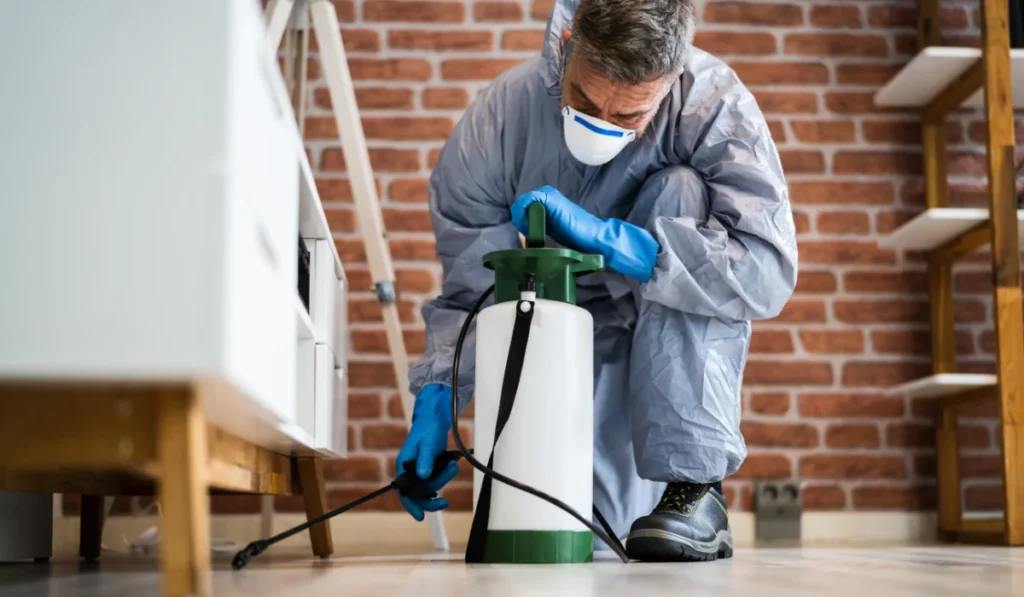
After identification, Pest Pros of Michigan sends out a pest technician to take full control of the situation. Technicians wear bee suits for protection and can treat eaves up to 25 feet high. Products used include Waspfreeze or Bifen, applied based on nest location and species type.
Most nests show results within 24 to 48 hours, though some treatments may take up to two weeks to work through the entire colony. Residual activity may continue during that window as stragglers return to the treated nest. If activity persists beyond two weeks, additional treatment may be necessary.
What to Expect From a Wasp Control Plan
A one-time wasp treatment from Pest Pros of Michigan includes a three-month warranty for treated areas. This coverage accounts for the typical worker lifespan and gives time to confirm that the colony is no longer active.
For nests inside walls or attics, treatment may involve drilling or opening sections of drywall. If nest removal is declined, the homeowner is responsible for any future structural issues caused by decaying biological material. High-up nests that are not inside a structure often degrade on their own and may not require physical removal.
Preventative treatments can help reduce the chance of new queens building nests in the same location the following spring. Pest Pros of Michigan does not typically treat honey bees unless they pose a threat to human safety, and a protocol is in place for honey bee nest removal if necessary.
Bottom Line on Wasp Lifespans
Colonies rebuild each spring from overwintering queens and grow throughout summer before cold weather ends the cycle. Understanding this timeline helps you decide when to act. If you notice wasp activity around your home, Pest Pros of Michigan offers a free site evaluation to identify the species and determine the best approach.
Frequently Asked Questions
Do All Wasps in a Colony Live the Same Amount of Time?
No. Workers generally live only a few weeks and spend that time maintaining the nest and foraging. Queens have a much longer lifespan, potentially surviving through winter to start new colonies the following spring.
What Happens to a Wasp Nest in Winter?
Most workers and the old queen die when cold temperatures arrive. Only fertilized queens survive by finding sheltered spots to hibernate. The nest itself is not reused the next year, though new queens may choose locations near previous nesting sites.
Why Are Wasps More Aggressive Late in the Season?
As colonies reach their peak population and natural food sources dwindle, wasps compete harder for food. This often brings them closer to outdoor dining areas, trash cans, and other spots with human activity.
Does Pest Pros of Michigan Offer a Warranty on Wasp Treatments?
Yes. A one-time treatment includes a three-month warranty for treated areas. Cicada killer treatments are not warrantied due to their solitary nature.

 Serving Michigan since 2018
 Pest-free guarantee
 Small, local business
 10+ years of pest control experience
 President and CEO of Pest Pros of Michigan
 Resident of Michigan