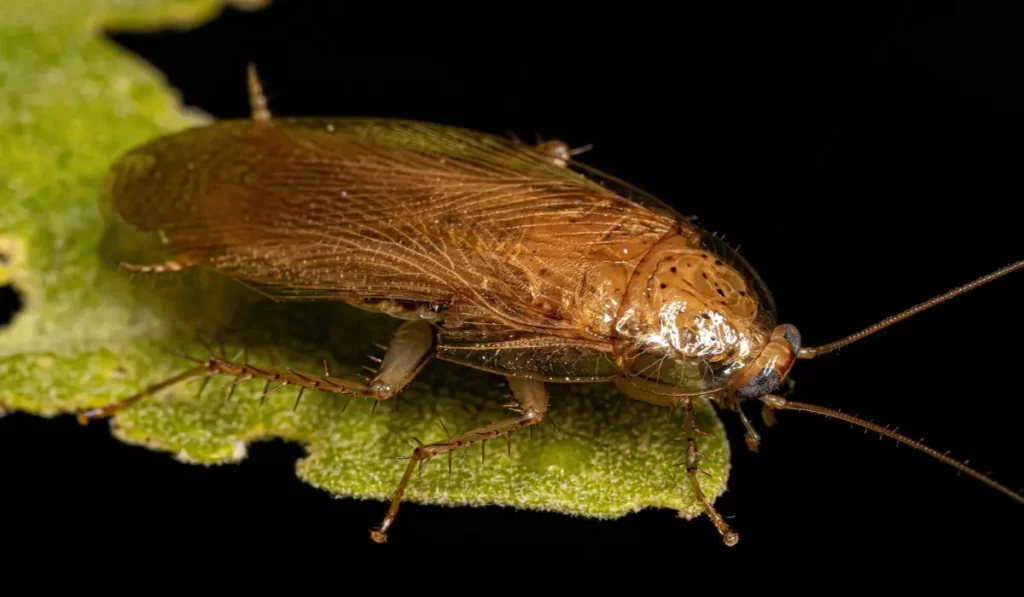
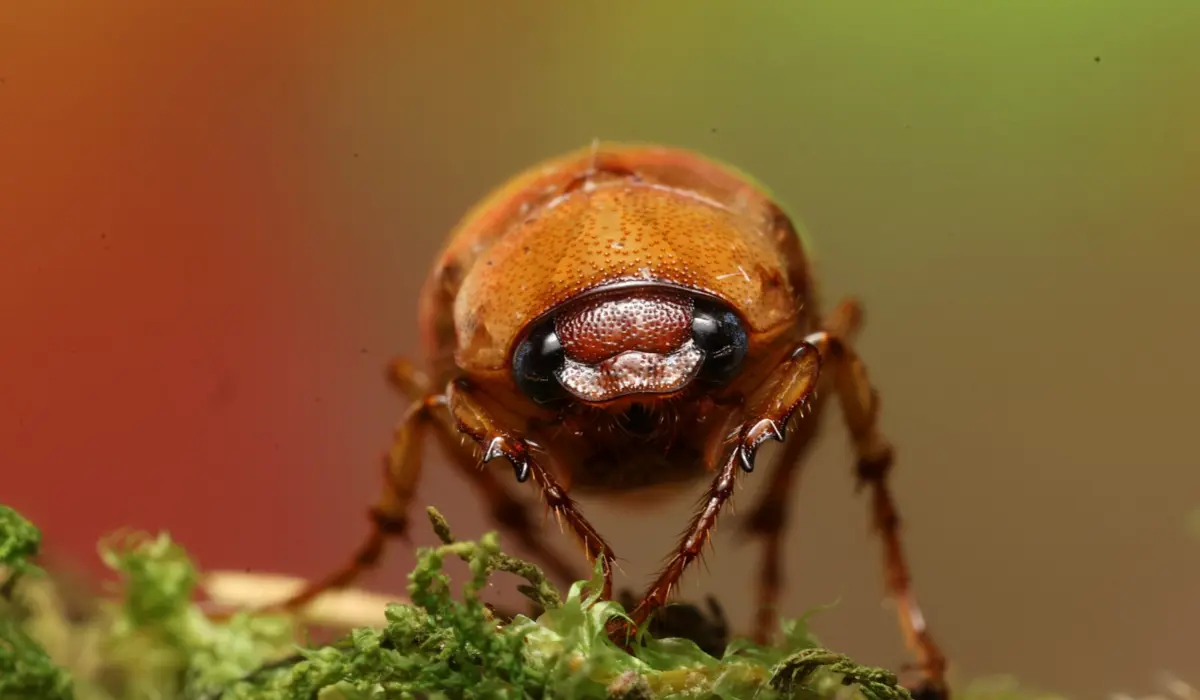
If a brown beetle keeps bumping into your porch light on a warm Michigan evening, you’ve likely encountered a June bug. These beetles don’t bite or sting people, so there’s little reason to worry about an occasional visitor. Their underground larvae, however, can feed on grass roots and contribute to lawn damage. Here’s how to identify a June bug in Michigan, understand its life cycle, and recognize when activity around your home or lawn deserves a closer look.
What Is a June Bug in Michigan?
June bugs are a group of beetles commonly associated with late spring and early summer. In Michigan, the name often refers to May and June beetles in the genus Phyllophaga. You’ll usually see the adults outdoors, especially around lights after sunset.
Despite the name, they don’t appear exclusively in June. Their emergence depends on the species, soil conditions, and seasonal weather. Some adults become noticeable during spring, while others remain active into summer.
The beetles flying around your porch are only one stage of the insect’s life. Before emerging as adults, May and June beetles develop underground as larvae called white grubs. These grubs feed on roots and other plant material in the soil. Their feeding can become a lawn problem when enough roots are damaged.
How to Identify June Bugs vs. Other Beetles
Several brown beetles found around Michigan homes look similar at first glance. Size, body shape, color, and flight activity offer useful clues, although a close examination may be needed to identify the exact species.
What Do June Bugs Look Like?
Adult May and June beetles have thick, oval bodies with hard wing covers. Many are brown or reddish-brown, with sturdy legs and antennae that end in small clubs.
Their flight is often easier to recognize than their physical features. You might watch one circle a porch light, bounce against a window screen, or land awkwardly on your driveway.
Michigan has several common beetle species that differ in appearance, behavior, and feeding habits. A photo showing the insect’s back and antennae is more useful for identification than color alone.
June Bugs vs. Japanese Beetles and European Chafers
Japanese beetles and European chafers can also affect Michigan lawns. Their larvae feed on turfgrass roots, although the adults look and behave differently.
| Beetle | Adult Appearance | When You’re Likely to Notice It | Lawn Concern |
| May/June beetle | Stocky, brown or reddish-brown | Often at night, especially around lights | Grubs can damage grass roots |
| Japanese beetle | Metallic green with copper-colored wing covers | Commonly during daylight | Grubs can damage grass roots |
| European chafer | Tan to brown, without metallic coloring | Often around dusk | Grubs can damage grass roots |
Japanese beetles are usually easier to distinguish because of their metallic coloring. They’re also known for feeding on leaves and ornamental plants during daylight hours.
European chafers can resemble June bugs more closely. That’s one reason a brown beetle found near your lawn shouldn’t automatically be identified as Phyllophaga.
Why Do June Bugs Fly Around Porch Lights at Night?
Many May and June beetles are active after dark and respond to artificial lighting. A porch light can draw them toward your entryway, where they repeatedly collide with windows, siding, and screens.
The beetles aren’t trying to get inside. They may simply be flying near an illuminated area when an open door gives them a way into the house.
You might notice more activity on certain evenings, particularly during the adult emergence period. Several beetles around a light also don’t mean they’re developing beneath your porch. Adults can fly in from nearby lawns, gardens, and other outdoor areas.
How to Keep June Bugs Away From Outdoor Lights
Changing how you use exterior lighting can make entrances less attractive to nighttime insects.
- Turn off porch and patio lights when they aren’t needed.
- Use motion-activated fixtures instead of leaving lights on throughout the night.
- Direct lighting toward steps and walkways rather than surrounding landscaping.
- Consider warm-colored outdoor bulbs that are generally less attractive to many nighttime insects than bright, cool-colored lighting.
- Repair damaged screens and check door seals to limit accidental entry.
These changes won’t eliminate June bugs from your property. They can, however, reduce the number gathering around doors and windows.
The June Bug Life Cycle and What It Means for Your Yard
June bugs spend much more of their lives underground than homeowners might expect. Understanding their development helps explain why beetles seen in spring can be connected to lawn conditions established over previous growing seasons.
The University of Minnesota Extension provides insect identification and management information covering beetle development and behavior. May and June beetles undergo complete metamorphosis, passing through four stages: egg, larva, pupa, and adult.
Many species of Phyllophaga take multiple years to complete this process, often around three years. The exact timing depends on the species and environmental conditions.
Eggs and White Grubs
After mating, female beetles lay eggs in the soil. The emerging larvae begin feeding underground, where they remain through much of their development.
White grubs have pale, curved bodies, brownish heads, and three pairs of legs near the front. They often curl into a C shape when disturbed.
As the grubs grow, they feed on roots and other plant material. Turfgrass may continue looking healthy when feeding is limited, but significant root loss can interfere with the grass’s ability to absorb water and nutrients.
Pupae and Adult Beetles
Once larval development is complete, the insect enters the pupal stage. Its body changes into the adult beetle form before it eventually emerges from the soil.
This extended underground development explains why visible adult activity is only a small part of the June bug’s life cycle. A beetle appearing in spring may have spent several growing seasons developing beneath the ground.
Other turf-damaging beetles follow different schedules. Japanese beetles and European chafers generally complete their development in about a year, making species identification useful when evaluating lawn problems.
Signs of June Bug Grubs and Lawn Damage
June bug grubs can weaken turfgrass by feeding on its roots. The resulting damage isn’t always visible immediately, especially when the grass has enough healthy roots to keep growing.
As root loss increases, affected areas can struggle during dry weather. Homeowners may notice thinning grass, discolored patches, or turf that lifts away from the soil more easily than expected.
The Michigan State University Extension offers Michigan-focused turfgrass information that can help homeowners understand grub injury and other causes of declining lawn health.
Brown Patches and Loose Grass
Grub damage often appears as irregular areas of thinning or brown grass. You might notice that one section of lawn dries out or loses color while nearby turf remains green.
More severe root feeding can leave the grass poorly anchored. If a damaged section lifts away easily, inspect the soil beneath it for signs of grubs.
Brown grass alone isn’t enough to identify the cause. Drought stress, disease, soil compaction, and other lawn problems can produce similar symptoms. Watering may relieve moisture stress, but it won’t replace roots already lost to feeding.
How to Check Your Lawn for White Grubs
If a patch of grass looks suspicious, check the soil near the edge of the damaged area, where some turf is still growing.
- Use a small shovel to lift a section of grass and the soil directly beneath it.
- Examine the root zone for pale, C-shaped grubs with brown heads.
- Look at the condition of the roots and whether the grass remains firmly attached.
- Return the grass and soil to their original position after inspecting the area.
Finding a few white grubs doesn’t automatically mean they caused the damage. The number present, the species involved, and the condition of your grass all matter.
Avoid choosing a grub treatment based solely on one damaged patch or a few larvae. An accurate diagnosis helps prevent unnecessary work and directs attention to the actual problem.
Why Skunks, Raccoons, and Birds Dig Up Lawns
Sometimes the first sign of trouble isn’t brown grass. It’s a section of lawn that looks as though something has been digging through it overnight.
Skunks, raccoons, and certain birds search soil for grubs and other insects. Their feeding can leave small holes, disturbed dirt, and sections of turf pulled away from the ground.
Digging can make existing lawn damage more noticeable, but it doesn’t prove June bug grubs are present. These animals eat other soil-dwelling organisms, too. Inspecting the turf gives you a better basis for deciding what to do.
Do June Bugs Bite, Sting, or Damage Plants?
June bugs don’t bite or sting people. They have no stingers and aren’t blood-feeding insects. If one lands on your arm, you may feel its legs gripping your skin, but it isn’t attacking you.
An occasional June bug inside your home is also different from an established household pest infestation. These beetles develop outdoors in soil rather than breeding inside kitchens, bedrooms, or wall spaces.
Plant damage is a separate issue. Some adult May and June beetles feed on tree and shrub leaves, while their larvae feed underground. The amount of damage varies with the species, feeding activity, and number of insects present.
Can June Bugs Damage Trees and Shrubs?
Adult beetles may leave holes or irregular feeding damage on leaves. A few beetles around the porch don’t necessarily mean your trees or shrubs are at risk.
Look at the plants themselves before assuming the beetles are causing a problem. Significant leaf damage warrants a closer inspection to identify which insect is feeding there.
Grub injury follows a different pattern because it affects roots rather than foliage. That’s why the condition of your lawn tells you more about underground damage than the number of adult beetles around a light.
How to Keep June Bugs Away and Protect Your Lawn
The right response depends on whether you’re dealing with adult beetles around the house or grubs beneath the grass.
For adults, lighting adjustments and basic home maintenance may be enough. When the concern is lawn damage, start by examining the turf and identifying the cause.
Support Healthy Grass
Grass with healthy roots can tolerate some insect feeding. Regular lawn maintenance helps reduce additional stress and makes changes in turf condition easier to recognize.
Water according to local conditions and your lawn’s needs. Watch for areas that thin out repeatedly, develop brown patches, or remain weak while nearby grass continues growing.
If grubs are present, resist the urge to treat immediately. A turfgrass professional can assess the root damage, identify the likely insects, and determine whether intervention is justified.
Know When Professional Help Makes Sense
A single June bug flying into your home usually doesn’t call for professional treatment. Repeated sightings of unidentified beetles indoors deserve a closer look, particularly when you can’t tell whether they’re outdoor visitors or a different beetle pest.
For suspected grub damage, lawn assessment is the priority. A qualified turfgrass professional can evaluate soil conditions, root health, and larval activity before recommending a management approach.
Pest identification is especially useful when several similar-looking beetles are present. Correctly naming the insect helps avoid treating the wrong problem.
Prepare for the Next Spring
June bug activity changes with the seasons, but the larvae may remain underground after adults disappear from view. You can use the cooler months to review problem areas and plan lawn maintenance for the next growing season.
Make a note of patches that browned during summer, areas where grass lifted easily, and sections repeatedly disturbed by wildlife. These observations are useful when comparing lawn conditions the following spring.
Exterior upkeep is worthwhile, too. A seasonal home maintenance plan that includes checking screens, door seals, and exterior lighting can help limit unwanted insects around your living spaces.
What Michigan Homeowners Should Do About June Bugs
Most adult June bugs around porch lights can be left alone. If they regularly gather near your doors, reduce unnecessary lighting and check screens for openings. When your lawn develops brown patches or loose turf, inspect the roots rather than assuming the adult beetles are responsible.
If you’re seeing unfamiliar beetles around your property, Pest Pros of Michigan can help you understand what you’re dealing with. The locally owned company provides general beetle control and pest prevention services for Michigan homes and businesses.
Homeowners can find information about Pest Pros’ Kalamazoo service area and Grand Rapids service area. If you’d like help identifying beetles around your home, contact Pest Pros of Michigan and describe where you’re finding them. Suspected lawn-grub damage should be evaluated by a qualified turfgrass professional.
Frequently Asked Questions About June Bugs in Michigan
When Do June Bugs Come Out in Michigan?
Adult May and June beetles generally appear during spring and early summer. Their timing varies with the species and weather conditions. Many fly after sunset, which is why they often become noticeable around porch lights and illuminated windows.
Why Do June Bugs Keep Getting Inside My House?
June bugs may enter through open doors, damaged screens, or other accessible openings while flying near lights. An occasional beetle indoors generally doesn’t mean you have an infestation. Reducing unnecessary lighting near entrances and maintaining screens can help limit these visits.
Should I Worry If I Find June Bug Grubs in My Lawn?
A few white grubs don’t necessarily indicate a serious lawn problem. The concern depends on which species are present, how many there are, and whether they’ve damaged the roots. Brown patches, loose turf, or repeated wildlife digging are reasons to inspect the lawn more closely.

 Serving Michigan since 2018
 Pest-free guarantee
 Small, local business
 10+ years of pest control experience
 President and CEO of Pest Pros of Michigan
 Resident of Michigan