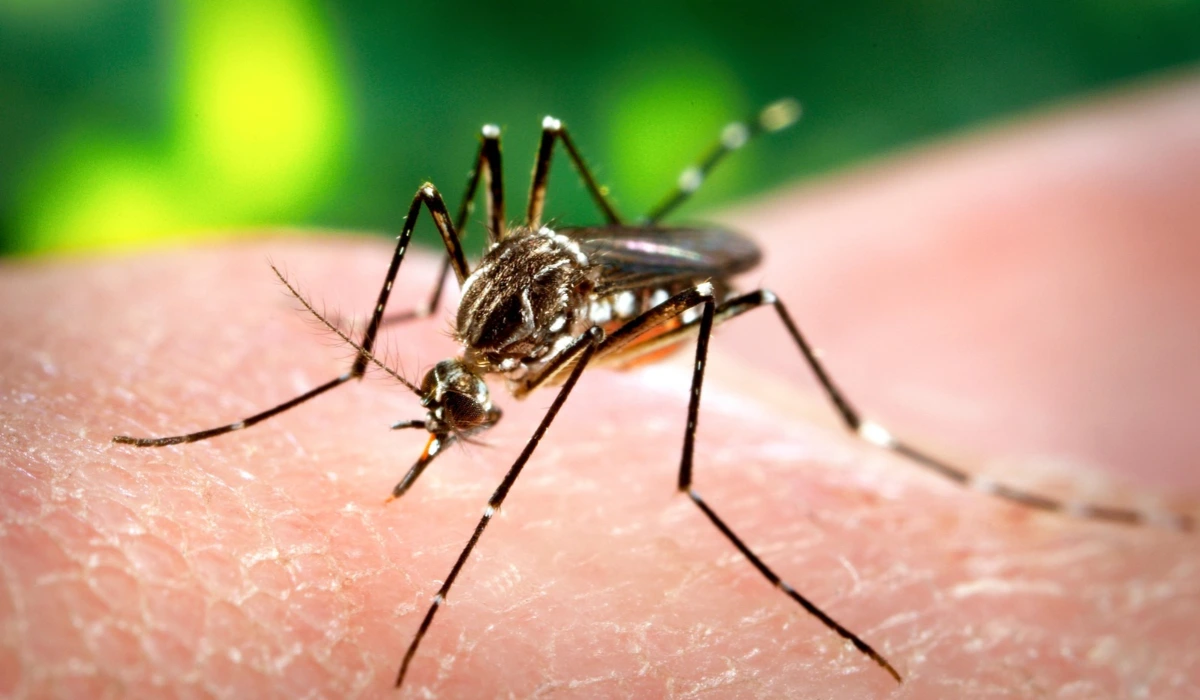
Mosquitoes in Michigan are active from spring into fall, with backyard activity often rising after warm, wet weather creates more places for them to develop. Standing water in gutters, birdbaths, planters, tarps, toys, and low spots can support mosquito breeding close to a home, while shaded vegetation gives adult mosquitoes places to rest. West Nile virus and Eastern equine encephalitis, or EEE, have also been reported in Michigan. Reducing standing water, preventing bites, and using professional mosquito control when activity remains high are the main ways to manage mosquitoes through the season.
When Are Mosquitoes in Michigan Most Active?
Michigan mosquito season is driven by weather rather than one statewide start date. Activity begins as spring moisture and warmer temperatures return, builds through summer, and usually drops off as cold weather takes hold in fall. Wet stretches can make mosquito problems more noticeable because rain refills containers and low areas that had dried out.
The exact timing changes from year to year. Spring moisture, temperature, and available breeding water all influence when mosquitoes come out in Michigan, so conditions around your own property can tell you more than a date on the calendar.
Spring Snowmelt Creates Early Breeding Sites
Snowmelt and spring rain can leave water in clogged gutters, outdoor containers, low areas of the lawn, and equipment that remained outside over winter. Once temperatures rise, those water sources can support mosquito development.
Spring is the time to find recurring water problems before summer activity builds. Clear blocked gutters, turn unused containers upside down, drain covers that hold water, and address low spots where water lingers after the rest of the yard dries.
Wet Summer Weather Can Increase Mosquito Pressure
Summer rain creates new breeding opportunities every time it refills a bucket, birdbath, plant saucer, wheelbarrow, toy, or sagging tarp. A yard that had few obvious water sources during a dry week can look very different after several storms.
Different mosquito species found in Southwest Michigan use habitat differently, so rainfall does not affect every species in the same way. From a homeowner’s standpoint, the useful habit is simple: check the yard again after wet weather instead of assuming last week’s inspection still applies.
Cold Fall Weather Reduces Activity
Mosquito activity generally falls as Michigan temperatures drop. Cooler nights reduce the amount of mosquito activity you notice outdoors, and a hard frost brings a major seasonal decline.
The timing varies each year. If fall stays warm, mosquitoes may remain active later than expected, so keep checking standing-water sources while you are still seeing regular activity around the property.
Where Do Mosquitoes Breed Around Michigan Homes?
Mosquitoes do not need a pond or marsh next to your house. Small amounts of standing water in ordinary yard items can provide suitable breeding habitat when that water remains in place.
Mosquitoes pass through egg, larval, pupal, and adult stages. Larvae and pupae develop in water, which is why removing standing water has such a direct role in backyard mosquito prevention.
Common Places That Hold Water
Focus first on items and areas that repeatedly collect rain.
| Area | What to Look For | What to Do |
| Gutters | Leaves, debris, or sections that retain water | Clear blockages and correct drainage problems |
| Birdbaths | Water left standing between cleanings | Empty and refresh the water regularly |
| Tarps and furniture covers | Folds or low points that collect rain | Tighten, reposition, or drain them |
| Planters and saucers | Water beneath pots | Empty excess water after rain or watering |
| Toys and yard equipment | Wagons, buckets, wheelbarrows, or toys holding water | Store them upside down or under cover |
| Low areas of the yard | Depressions that stay wet after storms | Improve drainage where practical |
The best fix is often to stop the water from collecting again. Emptying a wheelbarrow helps for the moment, but storing it upside down removes the same problem from your next post-storm inspection.
Repeat the Check After Rain
A clean yard in May does not guarantee a dry yard in July. Summer projects, irrigation, storms, moved toys, and new outdoor containers can all create water-holding spots that were not there earlier.
Use the same route when you inspect. Check gutters, planters, covers, play areas, containers, and low sections of the lawn after wet weather. A consistent routine makes repeat problems easier to spot.
Why Do Mosquitoes Get Worse After Rain?
Rain changes the yard. Containers that were dry fill with water, low areas stay wet longer, and covered items can develop shallow pockets that are easy to miss. If warm weather continues, those new water sources give mosquitoes more places to reproduce.
Adult mosquitoes create a separate problem. Pest Pros of Michigan identifies foliage, fence lines, shaded areas, spaces beneath decks, and similar sheltered locations as areas that can support mosquito activity around a property.
That is why dumping one bucket may make little difference when several breeding and resting areas are present at the same time. A more complete mosquito-control plan looks for both water where immature mosquitoes develop and sheltered areas where adults spend time.
Can Mosquitoes in Michigan Carry Disease?
West Nile virus and Eastern equine encephalitis have both been reported in Michigan, and public-health agencies monitor mosquito activity for signs of these diseases. Their presence in the state does not mean every mosquito is infected or that a typical bite will lead to illness.
For homeowners, the health question is another reason to prevent bites without treating every mosquito encounter as an emergency. The clearest way to understand the risk is to separate the presence of mosquitoes from confirmed infection.
West Nile Virus
According to the Centers for Disease Control and Prevention’s West Nile virus guidance, about 8 in 10 people infected with West Nile virus do not develop symptoms. About 1 in 5 develop a febrile illness, while less than 1 percent develop illness affecting the central nervous system.
Those percentages describe people who are infected with West Nile virus. They do not describe the odds that a single mosquito bite will result in infection, and mosquito activity around your home is not evidence that West Nile virus is present on the property.
Eastern Equine Encephalitis
EEE is much less common, but severe disease can affect the nervous system. CDC information included in the verified research estimates that about 30 percent of people who develop severe EEE die from the illness, and some survivors have neurological problems.
That figure applies to severe EEE cases. It should not be interpreted as the risk associated with an ordinary mosquito bite or with simply spending time outdoors during mosquito season.
What Mosquito Surveillance Tells You
Health agencies use mosquito surveillance to determine where mosquito-borne pathogens are circulating. When a mosquito pool tests positive, a pathogen was detected in that collected sample. It does not mean every mosquito in the surrounding area is infected.
For a homeowner, surveillance supports the same basic habits you should already be using during mosquito season: reduce breeding water, limit bites, and follow current state or local public-health guidance when mosquito-borne disease activity is reported.
How Can You Reduce Mosquitoes Around Your Yard?
Start with the parts of the mosquito problem you can control directly. Remove standing water, correct repeat drainage problems where practical, and protect yourself from bites when mosquito activity remains high.
Do not treat standing-water removal as a once-a-season cleanup. Summer storms and irrigation can recreate the same breeding sites within days, especially in containers and low areas.
Remove Water Mosquitoes Can Use
Inspect birdbaths, buckets, flowerpot saucers, children’s pools, toys, watering cans, wheelbarrows, storage containers, tarps, and furniture covers. Keep gutters draining and pay attention to parts of the lawn that stay wet after surrounding turf has dried.
Where possible, change the setup rather than repeatedly dumping the same container. Store a wheelbarrow upside down, tighten a sagging cover, or move an unused bucket under shelter. Those changes reduce the number of items you need to empty after every storm.
Reduce Mosquito Bites
When mosquitoes remain active, personal protection helps limit exposure. The U.S. Environmental Protection Agency’s insect repellent guidance recommends using EPA-registered repellents according to the product label. Active ingredients identified in the verified guidance include DEET, picaridin, IR3535, and oil of lemon eucalyptus or PMD.
Check window and door screens as well. When mosquitoes inside the house become a recurring issue, inspect torn screens, door gaps, nearby drainage, and outdoor containers that may be contributing to the activity.
Include Pet and Play Areas in Your Inspection
Pet bowls, outdoor bedding, children’s play areas, patios, and decks should be part of the same yard check. These are places where people and pets spend time, so nearby standing water or dense shaded vegetation deserves extra attention.
Mosquito bites on dogs can occur when pets spend time outdoors during periods of mosquito activity. Remove unnecessary standing water near pet areas and follow your veterinarian’s recommendations for appropriate pet protection.
When Does Professional Mosquito Control Help?
Professional mosquito control becomes useful when you are already removing accessible standing water but mosquitoes remain heavy around the yard. Activity may be tied to dense vegetation, shaded resting areas, hard-to-find water sources, drainage conditions, or mosquitoes moving in from surrounding properties.
Pest Pros of Michigan combines monthly fogging with the In2Care system and identifies property conditions that may be contributing to mosquito activity. The goal is mosquito population reduction through the season, not a promise that every mosquito will disappear.
Monthly Treatments Target Adult Resting Areas
Pest Pros treats areas where adult mosquitoes may rest, including foliage, fence lines, shaded sections, spaces beneath decks, and the yard perimeter. Monthly fogging is used to reduce mosquitoes on the property and add a barrier against activity moving in from nearby areas.
Weather and neighboring properties continue to affect mosquito pressure between visits. Regular treatment therefore works alongside standing-water removal rather than replacing it.
In2Care Targets the Breeding Cycle
The In2Care system attracts egg-laying female mosquitoes to a station. According to Pest Pros’ service information, mosquitoes that contact the station can carry treatment material to other standing-water locations, where it affects developing mosquitoes.
That mechanism helps extend control beyond water sources a homeowner or technician can easily see. Used with treatments aimed at adult resting areas, it addresses a different part of the mosquito life cycle.
Prepare the Yard Before Service
Pest Pros asks customers to prepare outdoor areas before mosquito treatment. Remove children’s toys and pet bowls from treatment areas, cover or relocate exposed pet food and bedding, close doors and windows, and turn off irrigation for the day. Customers should also point out vegetable gardens or flowering plants and dump accessible standing water from birdbaths, kiddie pools, and planters when possible.
Keep pets indoors or otherwise away from the treatment area for at least two hours after the application. Following the preparation instructions gives the technician better access to the yard and keeps people and pets out of treated areas while the application dries.
Managing Mosquitoes Through a Michigan Summer
Mosquito control works best as a routine, not a reaction to one bad evening outdoors. Start checking for standing water when spring moisture returns, inspect again after summer storms, and continue while mosquitoes remain active into fall. Pair those yard checks with appropriate bite protection when you spend time outside.
If you are removing standing water but still dealing with persistent mosquito activity around a patio, deck, play area, or backyard, professional service can target parts of the problem you may not be able to address yourself. Pest Pros of Michigan provides mosquito reduction services for homeowners in Kalamazoo, Grand Rapids, and surrounding Michigan communities.
When recurring mosquitoes are keeping you from using your yard the way you want, contact Pest Pros of Michigan to request an evaluation and discuss a mosquito control plan for your property.

 Serving Michigan since 2018
 Pest-free guarantee
 Small, local business
 10+ years of pest control experience
 President and CEO of Pest Pros of Michigan
 Resident of Michigan