A long-legged insect jumps from behind a storage tote, lands near the water heater, and disappears along the basement wall. In many Michigan homes, that insect is a camel cricket. Also called a spider cricket or cave cricket, it is one of the most recognizable pests found in cool, damp lower levels during fall.
Camel crickets in basements usually point to three conditions working together: outdoor shelter near the foundation, a small route into the structure, and enough indoor moisture to make the space suitable. Their presence does not mean your basement is dirty. It means the area offers the darkness, cover, and humidity they already seek outdoors.
For homeowners in Kalamazoo, Grand Rapids, and nearby communities, activity often becomes more noticeable as fall conditions change. Cooler nights, wet leaves, shifting moisture, and seasonal yard cleanup can disturb outdoor hiding places and move camel crickets toward garages, crawl spaces, window wells, and basement foundations.
Why Camel Crickets Enter Michigan Basements in Fall
Camel crickets spend much of their time in sheltered outdoor areas. They hide beneath logs, stones, firewood, dense plants, and other materials that hold moisture and block direct sunlight. When fall weather changes those hiding places, the insects begin looking for more stable cover.
Heavy rain can saturate the ground and outdoor debris, while dry periods can remove the moisture camel crickets prefer. Cooler temperatures also make protected spaces around a building more attractive. A basement window well, foundation gap, or garage threshold can become the next available shelter, especially when leaves or stored materials create cover against the house.
Basements and crawl spaces can provide similar conditions. They are often darker than upper floors and may contain sump pump pits, plumbing lines, laundry equipment, humid storage areas, or condensation on pipes. Once camel crickets get inside, they may stay as long as the space continues to offer moisture and protection.
Repeated sightings do not automatically mean the crickets are breeding indoors. They may be entering from outside over time. However, steady activity usually means the basement has an access point, a moisture issue, or both.
How to Identify Camel Crickets in Your Basement
Camel crickets look different from the chirping crickets you may see near porch lights or garage doors. Their body shape, movement, and silence provide the clearest identification clues.
Their Shape and Movement
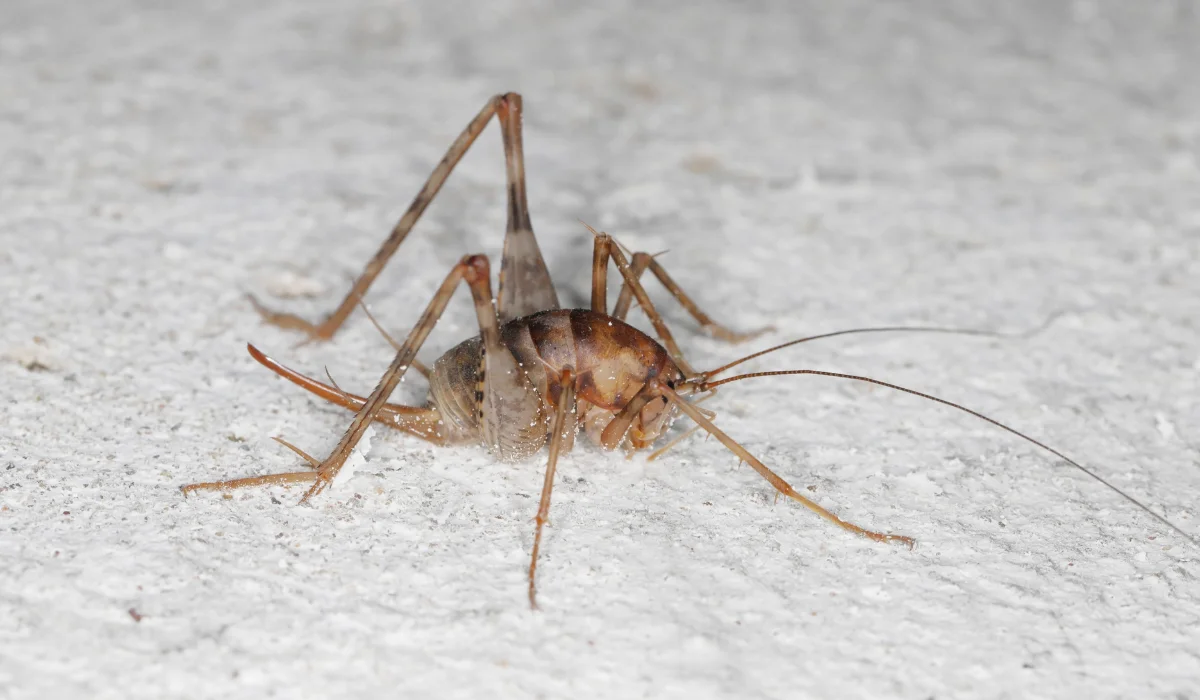
The NC State Extension guide to camel crickets describes them as wingless insects with arched bodies, long antennae, and enlarged hind legs built for jumping. Their shape creates the humpbacked appearance behind the name “camel cricket.”
Those long legs can make them look spider-like at first glance, which explains the common name “spider cricket.” When startled, they often jump suddenly and without an obvious direction. That movement can feel aggressive when the insect lands nearby, but the jump is a defensive reaction rather than an attack.
Camel crickets usually settle near walls, cracks, storage, or other covered areas after they land. Their behavior is less about approaching people and more about reaching the next dark hiding place.
Why You Do Not Hear Them Chirp
House crickets and field crickets are known for nighttime chirping. Camel crickets are silent because adults do not have wings or the wing structures other cricket species use to produce sound.
This difference can help you identify the pest before deciding what to do next. If you are finding large, long-legged crickets in a damp basement but never hear chirping, camel crickets are a strong possibility.
| Feature | Camel Crickets | House or Field Crickets |
|---|---|---|
| Body shape | Arched or humpbacked | Flatter, more familiar cricket shape |
| Wings | Adults are wingless | Wings are usually present |
| Sound | Silent | Males may chirp |
| Common indoor location | Basements, crawl spaces, utility rooms | Garages, doors, warmer rooms, and areas near lights |
| Main clue | Sudden jumping in dark, damp areas | Repeated nighttime chirping |
What Attracts Camel Crickets to Basements
Camel crickets do not enter for one single reason. Moisture, nearby shelter, and structural access usually combine to create a recurring basement problem.
Moisture and Humidity
A damp basement gives camel crickets a place to remain hidden without drying out. Plumbing leaks, condensation, sump pump areas, damp masonry, and poor airflow can all raise moisture levels in lower rooms.
A dehumidifier may help reduce general basement humidity, but it will not fix an active leak, poor drainage, or water entering through a foundation wall. When moisture has a specific source, that source needs direct attention. Correcting it makes the basement less attractive to crickets and can also protect stored belongings from dampness.
Utility rooms, laundry areas, crawl space access points, and corners behind storage deserve close attention. These areas often stay dark and undisturbed, giving camel crickets the cover they need.
Shelter Near the Foundation
Conditions outside your home influence what happens inside. Firewood stacked against the house, wet leaves in window wells, stones beside the foundation, and thick ground cover can provide cool, shaded shelter.
Mulch and dense vegetation can also hold moisture close to basement walls. Landscaping does not automatically create a camel cricket problem, but heavy cover touching the structure makes it easier for the insects to move from outdoor shelter to a foundation opening.
Move firewood and unused materials away from the home when possible. Clear leaves from basement window wells, remove boards or containers that stay wet, and trim dense plants near the foundation so the area can dry more easily.
Entry Points at Ground Level
Camel crickets can enter through openings around basement windows, utility lines, vents, doors, and foundation cracks. Worn door sweeps and gaps beneath garage doors can provide access as well.
The University of Minnesota Extension’s cricket guidance identifies open doors, windows, foundation cracks, and other structural gaps as common entry routes for indoor crickets. Ground-level openings deserve the closest inspection because they connect directly with the outdoor areas where camel crickets hide.
Check around pipes, cable lines, window frames, crawl space vents, garage edges, and exterior doors. One small opening may allow crickets to enter repeatedly, especially when damp cover sits nearby.
Do Camel Crickets Damage Michigan Homes?
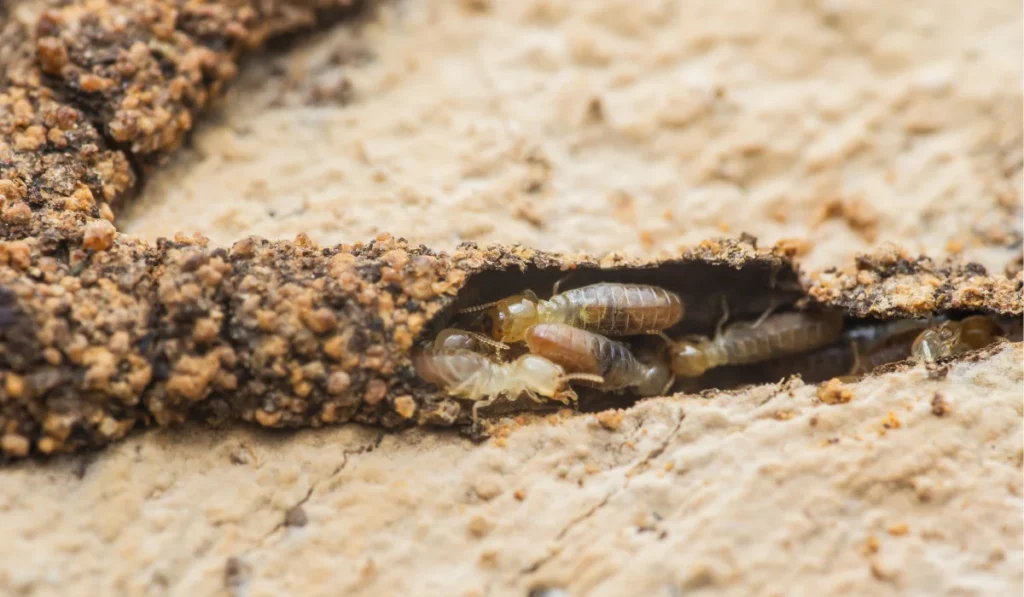
Camel crickets are usually nuisance pests rather than wood-destroying insects. They do not damage structural lumber in the way termites or wood-boring beetles can.
A large or persistent population can still affect stored materials. Camel crickets may feed on fungi, plant matter, paper, cardboard, fabric, and other organic debris when conditions support continued activity. Boxes, papers, and fabrics are more vulnerable when they remain damp and undisturbed.
You may also find droppings or dark marks in corners where crickets gather. Sudden jumping can make laundry rooms, storage areas, and utility spaces uncomfortable to use, especially when the insects are appearing regularly.
The condition attracting them often deserves more attention than the insect itself. A plumbing leak, damp foundation wall, clogged window well, or open utility gap can affect the home beyond the cricket problem. Removing visible crickets without correcting those conditions can lead to another round of activity the next fall.
How to Get Rid of Camel Crickets
Effective camel cricket control starts with finding active areas, reducing moisture, and closing entry points. Catching the insects you can see may provide temporary relief, but it will not stop new crickets from entering.
Find the Active Areas
Inspect along basement walls, behind appliances, near water heaters, around utility sinks, and beside stored boxes. Check crawl space entrances, window wells, sump pump areas, floor edges, and the inside of exterior doors.
Sticky monitoring traps can help show where crickets travel. Place them along walls and near suspected entry points rather than in the center of an open room. Repeated catches in one location may point to a nearby crack, door gap, or damp hiding place.
Patterns matter. Activity around laundry equipment may suggest moisture, while crickets appearing near one basement window may indicate a damaged screen or loose frame.
Reduce Moisture and Outdoor Shelter
Repair plumbing leaks, improve airflow where practical, and use a dehumidifier when general basement humidity remains high. Check gutters and downspouts to make sure water moves away from the foundation instead of collecting beside it.
Outside, remove wet leaves, boards, stones, and unused containers near basement walls. Move firewood away from the structure and keep window wells clear. These changes reduce the protected routes camel crickets use as they approach the house.
Seal the Routes Indoors
Repair damaged basement screens and replace worn weather stripping. Install tight door sweeps, seal appropriate foundation cracks, and close gaps around pipes, cables, vents, and other exterior penetrations.
Do not block features that require airflow or drainage. Vents should be properly screened, and drainage systems must remain open and functional. A careful inspection helps separate gaps that need sealing from openings that need repair or screening.
When Professional Camel Cricket Control Makes Sense
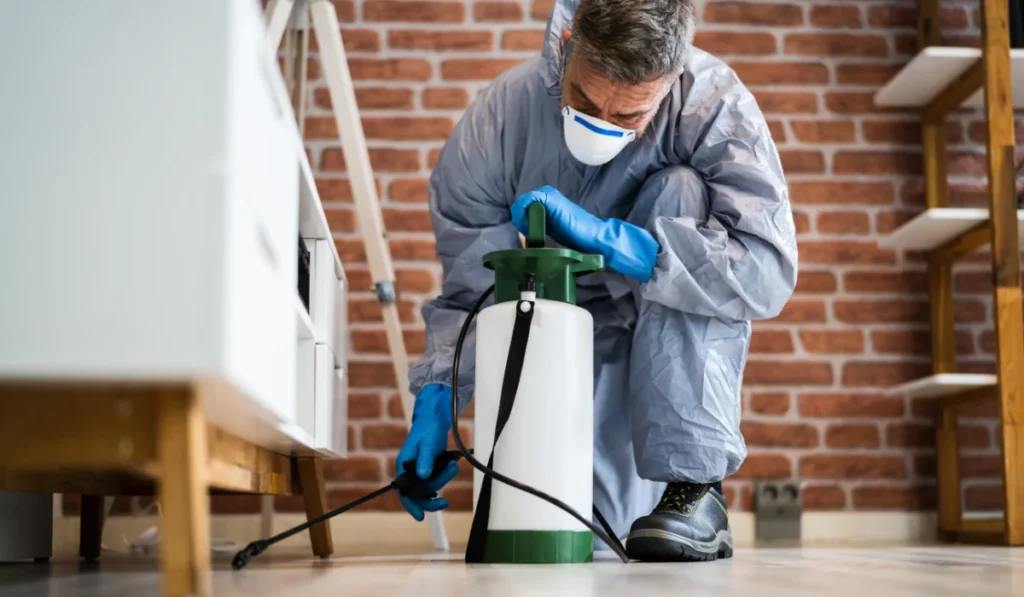
Professional service can help when camel crickets keep returning after moisture correction and basic exclusion. It is also useful when activity comes from crawl spaces, concealed foundation openings, or areas that are difficult to inspect safely.
Pest Pros of Michigan normally approaches cricket problems with exterior perimeter service, adding interior service when needed. This exterior-first method focuses on the routes crickets use before they move deeper into the home.
The EPA’s introduction to integrated pest management supports a process based on identification, monitoring, prevention, and targeted control. For camel crickets, that means combining pest service with moisture reduction, outdoor habitat changes, and structural repairs.
Stop Camel Crickets From Returning to Your Michigan Basement
Camel crickets become an annual fall problem when the same conditions remain in place. Damp lower levels give them shelter, outdoor debris keeps them close to the foundation, and small openings let them move inside.
The best long-term plan addresses all three. Reduce basement moisture, clear hiding places near the foundation, seal ground-level entry points, and monitor the areas where activity has appeared before.
Pest Pros of Michigan helps homeowners and businesses in Kalamazoo, Grand Rapids, and surrounding communities identify camel cricket activity and address the conditions supporting it. When the crickets keep returning, contact Pest Pros of Michigan to schedule an inspection and get a plan built around your basement, crawl space, and exterior entry points.

 Serving Michigan since 2018
 Pest-free guarantee
 Small, local business
 10+ years of pest control experience
 President and CEO of Pest Pros of Michigan
 Resident of Michigan