Rodent repellent can make a small area less comfortable for mice, but it cannot correct the conditions that brought them inside. A strong scent or ultrasonic device may interrupt activity for a while. It will not close a gap beside a garage door, remove a nest from a wall, or block a route that mice already use to reach food and shelter.
That distinction matters for homeowners across Kalamazoo, Grand Rapids, and nearby West Michigan communities. Mice can move through basements, crawl spaces, attached garages, attics, cabinets, and utility chases without spending much time in open rooms. When a repellent appears to stop the noise, the mice may have shifted to another route rather than left the building.
The answer depends on the stage of the problem. A mouse repellent may discourage an animal that is briefly investigating an area. An established mouse infestation usually requires inspection, trapping, sanitation, monitoring, and exclusion.
Does Rodent Repellent Actually Work?
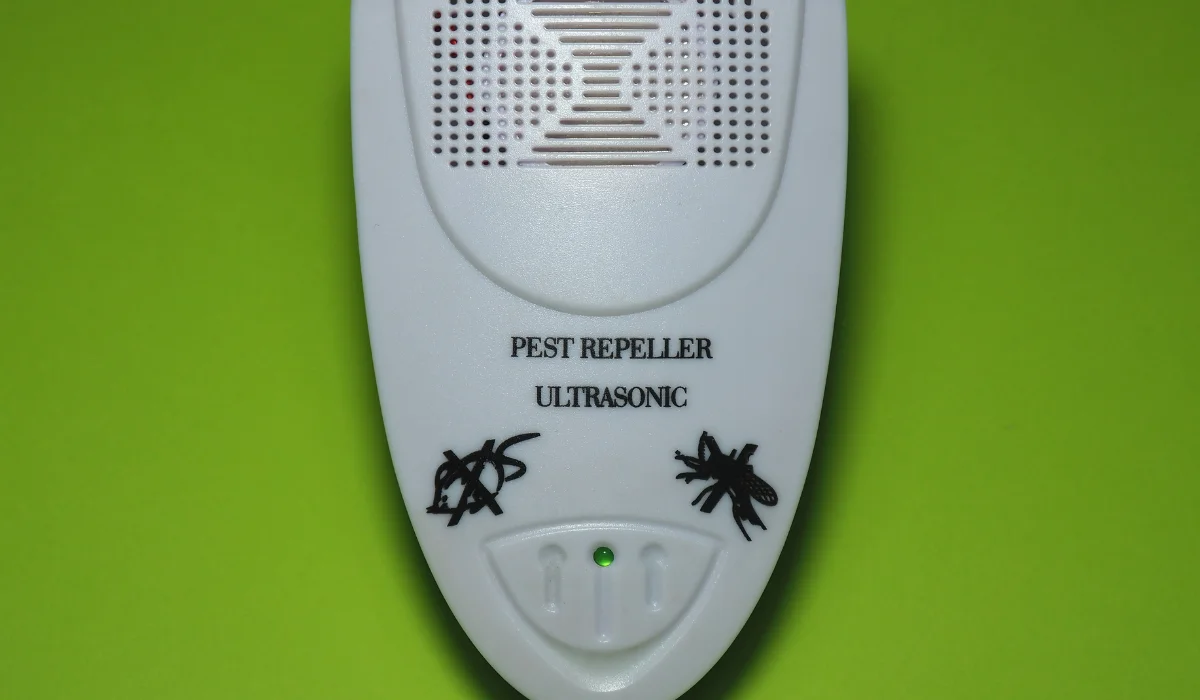
Rodent repellent attempts to change mouse behavior. Ultrasonic products produce high-frequency sound, while scent-based options use odors intended to make an area less appealing. Granular and perimeter products serve a similar purpose around selected indoor or outdoor locations.
These products do not create a physical barrier. That is their central limitation. A mouse may avoid a treated corner while continuing to travel behind cabinets, through wall voids, or along another edge of the room. When food and shelter remain available, temporary discomfort may not be enough to make the animal leave.
Homeowners also need to separate three different goals: discouraging a mouse from approaching, removing mice already inside, and preventing future entry. Most repellents focus only on the first goal. They do not trap active mice or repair the opening that allowed them into the home.
Why Mice May Ignore Repellents
Mice enter buildings because the space offers something useful. Food stored in thin packaging, crumbs beneath appliances, accessible pet food, water, warmth, and nesting material can all support activity. Basements, wall voids, and cabinets also provide protection from outdoor conditions and regular household movement.
When these resources are available, a natural mouse repellent must compete with them. Peppermint near one baseboard may redirect a travel path, but it does not remove the food in a nearby pantry. An ultrasonic pest repeller in an open room may not reach a nest behind drywall or stored items.
Michigan homes often contain several connected routes. A mouse may enter beside a garage door, follow the wall into a utility area, and reach the kitchen through pipe or wiring openings. Treating the room where droppings appear may miss the entry point and much of the animal’s travel path.
Mice Already Inside Behave Differently
A mouse that is exploring a building may respond differently from one that has already settled in. Once it has found a dependable food source, nesting material, and a protected route, it has more reason to tolerate an unfamiliar smell or sound.
This helps explain why some products seem effective at first. Activity may decrease while the mice adjust, move to another part of the structure, or wait for the odor to fade. Fresh droppings, new gnaw marks, or scratching noises in walls show that the underlying problem remains.
How Common Mouse Repellents Compare
Repellent products vary in how they attempt to influence mouse activity. Their limitations also vary, which makes it difficult to judge every option by the same standard.
| Repellent Type | What It Attempts to Do | Main Limitation |
|---|---|---|
| Ultrasonic mouse repellent | Uses high-frequency sound to discourage activity | Walls, furniture, cabinets, and room layout can limit coverage |
| Peppermint oil or scent product | Creates an odor mice may avoid | The scent fades and does not block entry |
| Granular or perimeter repellent | Makes a selected area less appealing | Weather, cleaning, and surface conditions can reduce coverage |
| Homemade scent remedy | Uses strongly scented household materials | Results can be inconsistent and frequent reapplication may be needed |
The best mouse repellent cannot compensate for an active entry point. These products may have a supporting role after the source of the problem has been identified, but they should not be treated as proof that mice are gone.
What To Know About Ultrasonic Mouse Repellents
An ultrasonic mouse repellent offers a simple setup. The homeowner plugs in the electronic device and expects the sound to make nearby areas uncomfortable for rodents. This approach is appealing because it does not require direct handling of traps or animals.
Coverage inside a real home can be uneven. Walls, doors, furniture, stored boxes, and appliances interrupt open space. A device placed in a kitchen may have little influence on mice moving inside a wall, beneath cabinets, or through a basement ceiling.
The Federal Trade Commission’s warning about ultrasonic pest-control claims gives consumers a reason to examine broad advertising promises carefully. Claims of complete, permanent, or whole-home control should not replace evidence of an inspection, active removal, and structural correction.
Does Peppermint Oil Keep Mice Away?
Peppermint oil for mice is one of the most familiar home remedies. People often apply it near doors, cabinets, baseboards, and suspected mouse entry points because the strong smell is easy to notice.
The odor does not remain equally strong over time. Air movement, moisture, dust, cleaning, and the type of surface can affect how long it lasts. Regular reapplication may be needed, and the treatment still leaves the opening in place.
A scent-based mouse repellent may be more useful as a limited supporting measure after the area has been cleaned and access has been corrected. It should not be the main response when mice are nesting in walls, droppings continue to appear, or food packaging is being damaged.
Why Mouse Exclusion Works Differently
Mouse exclusion changes access instead of trying to change behavior. It focuses on finding and securing the openings mice use to enter and move through a structure.
Potential mouse entry points can appear around foundations, garage doors, siding, windows, exterior doors, vents, utility lines, and areas where different building materials meet. Some openings are difficult to see from the living space, which is why an exterior inspection is an essential part of rodent control.
Pest Pros of Michigan uses an inspection-led approach that combines trapping, monitoring, and exclusion. Technicians check areas such as basements, crawl spaces, attics, utility rooms, and exterior gaps while looking for droppings, gnaw marks, rub marks, nesting material, and established runways.
Do Not Seal Active Mice Inside
Sealing every visible gap before addressing mice indoors can cause the animals to search for another route. They may move farther into wall voids, damage another area, or remain trapped inside the structure.
The better sequence is to identify active locations, reduce food and nesting resources, place mouse traps along established travel paths, monitor the results, and then complete the necessary repairs. This process addresses the current population while reducing the risk of new mice entering through the same weak points.
Signs a Repellent Is Not Solving the Problem
A temporary drop in noise is not enough to confirm that mice have left. Fresh droppings, gnaw marks, shredded paper or insulation, smudge marks, and disturbed food packages all point to continued activity.
Pay attention to where the signs appear. Droppings beneath a sink may indicate travel near plumbing openings. Activity along a basement wall may lead toward a utility penetration or foundation gap. Scratching sounds above a ceiling can point to movement through attic insulation or floor cavities.
When signs move from one room to another after a product is introduced, the mice may simply be avoiding the treated location. Repeated sightings in several areas can indicate multiple routes or a larger interior travel pattern that requires a complete inspection.
A Better Plan for Keeping Mice Out
Effective rodent control begins by finding where mice enter, travel, feed, and nest. Checking only the room where a mouse was seen can miss activity in wall voids, garages, basements, attics, and crawl spaces.
Food and nesting opportunities should also be reduced. Store food in sturdy containers, clean spills and crumbs promptly, bring pet food in at night, and limit cardboard, paper, fabric, and clutter near walls. These steps make the home less supportive of continued activity.
Traps work best when they are placed according to observed mouse movement rather than scattered at random. The University of California Integrated Pest Management guidance for house mice supports a management approach built around sanitation, trapping, and exclusion.
After activity declines, seal mouse entry points with materials suited to each location. Continue monitoring the affected areas so new signs are caught early. This combined plan does more than make one room unpleasant. It removes access and reduces the conditions that allow mice to remain.
Cleaning Areas With Rodent Activity
Rodent droppings and nesting material should be handled carefully. Avoid sweeping or vacuuming dry waste in a way that can spread contaminated particles through the air or onto nearby surfaces.
The Centers for Disease Control and Prevention’s rodent cleanup guidance recommends wetting contaminated material with an appropriate disinfecting solution before removal. Keep children and pets away from the area while cleanup is underway.
Extensive contamination in insulation, wall voids, or difficult-to-reach spaces may require a more controlled cleanup plan. Removing visible waste without addressing active mice and entry points will not prevent the contamination from returning.
When Professional Rodent Control Makes Sense
Professional rodent control is appropriate when signs continue after basic sanitation and trapping, or when activity appears inside walls, ceilings, crawl spaces, or finished basements. These areas can be difficult to inspect without knowing how mice use structural edges and hidden openings.
Help may also be needed when droppings return after cleanup, several rooms show activity, or the home has multiple foundation and utility penetrations. A professional inspection can connect interior evidence with exterior vulnerabilities and build a plan around the actual conditions of the property.
Choose a Complete Solution, Not a Temporary Deterrent
Rodent repellent may influence activity in a limited area, but it does not remove food, nesting sites, active mice, or structural access. When mice want in, an open route and dependable shelter can outweigh a scent or sound.
A stronger plan combines inspection, sanitation, trapping, monitoring, and mouse exclusion. For service in Kalamazoo, Grand Rapids, and nearby West Michigan communities, learn more about the local team at Pest Pros of Michigan or contact Pest Pros of Michigan to schedule a rodent inspection.

 Serving Michigan since 2018
 Pest-free guarantee
 Small, local business
 10+ years of pest control experience
 President and CEO of Pest Pros of Michigan
 Resident of Michigan