Spiders show up in Michigan homes every year. You often see them in basements, crawl spaces, and garages.
When you spot a small brown spider on the wall, it is easy to worry. Many homeowners think it is a brown recluse, even though confirmed sightings in Michigan are rare.
People get confused because many species of spiders look alike at first glance, especially since spiders are arachnids with similar body shapes. Many mistake house spiders, wolf spiders, and grass spiders for venomous spiders. Dim light and fast movement make spiders hard to identify, especially in older Lower Peninsula homes.
This guide explains the difference between brown recluse spiders and the house spiders Michigan homeowners commonly see. You will learn how to spot the differences, where they hide, how risky they are, and when to call a pro for spider control in Michigan.
Key Takeaways
Brown recluse or house spider?
Many homeowners assume a small brown spider is a brown recluse, but confirmed sightings here are rare. Narrow down what is on the wall before you react.
Brown Recluse
VenomousSmooth tan-to-brown body, long thin legs, sometimes a violin-shaped mark behind the head.
Where Rare in Michigan; usually arrives in boxes or furniture from warmer states
House Spiders
Low riskNo violin mark; often fuzzy or patterned bodies, building webs in corners.
Where Corners, ceilings, basements, garages, and near windows
- Brown recluse spiders are uncommon in Michigan, but misidentification happens often
- Most house spider species are harmless and help control other critters
- Knowing where spiders hide helps prevent a spider infestation
- Professional pest control helps when sightings increase, or identification feels uncertain
Video: EVERY Spider in Your House – and what they’re doing there
This video features common indoor spiders and explains why they enter homes. It helps you compare body shape, movement, and size when photos are not enough. Watching how spiders move can make identification easier, especially for brown recluse vs. house spiders that Michigan homeowners worry about.
What’s the Difference Between Brown Recluse and House Spiders in Michigan?
Most brown recluse vs. house spider comparisons in Michigan start with appearance. But behavior and hiding spots matter too.
A brown recluse has a slim body, long legs, and a violin-shaped mark on its back. Most house spiders do not have the violin mark, and many look fuzzier or more patterned.
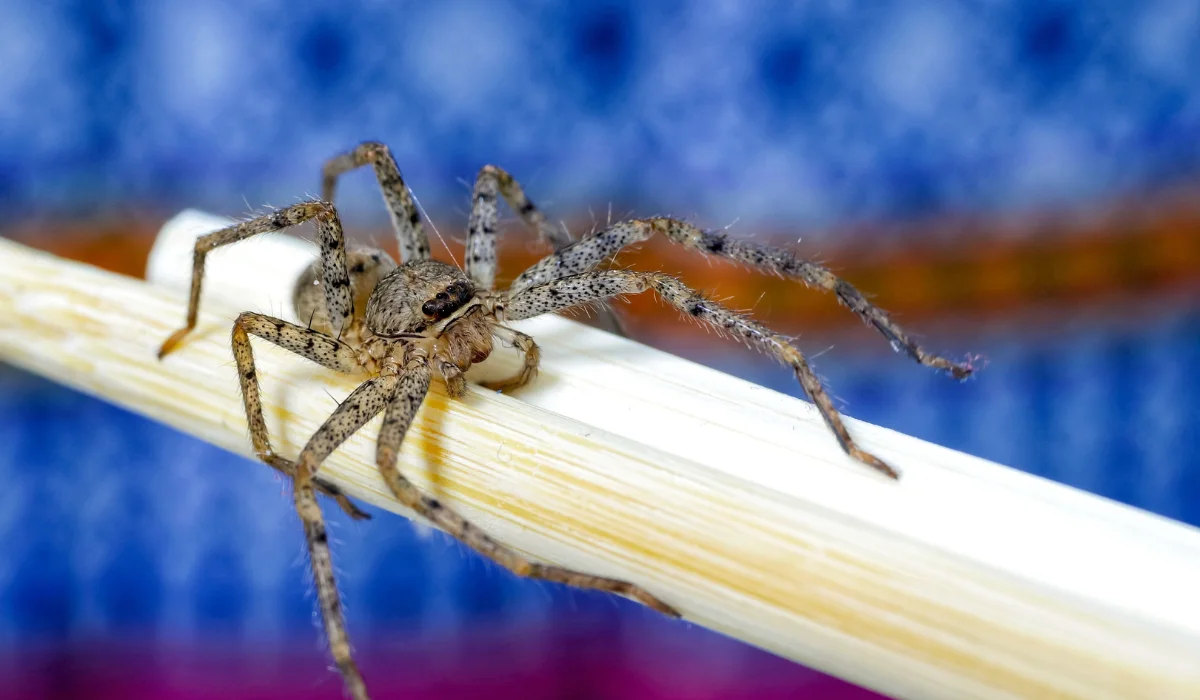
The term “house spider” can refer to many spiders, including common house spiders, wolf spiders, orb weavers, jumping spiders, and even the yellow sac spider, which is another type of spider often mistaken for a brown recluse. Some build webs. Others hunt insects or wander across the floor.
Brown recluses hide in dark, quiet spaces and try to avoid people. Michigan State University experts note that most indoor spiders in Michigan are not dangerous. Even if a spider looks “like a recluse,” it is usually a harmless house spider, not Loxosceles reclusa.
Comparison Table: Brown Recluse vs House Spiders
| Feature | Brown Recluse Spiders | House Spiders |
| Size | Medium-sized with long, thin legs | Size varies widely depending on the species |
| Color | Light tan to dark brown | Tan, brown, gray, or dark brown |
| Markings | May have a violin-shaped marking on the back, but it is not always visible | No violin-shaped marking; many have patterns or stripes |
| Web Use | Do not spin webs to catch prey | Many species build webs, though some hunt without webs |
| Behavior | Shy and avoid people; hide in dark, quiet areas | Often seen in corners, basements, and near windows |
| Risk to Humans | Bite risk is low in Michigan, and bites are rare | Rarely bite and pose minimal risk |
What Does a Brown Recluse Spider Look Like in Michigan?
A brown recluse has a smooth body and long legs. Its color is usually tan to brown.
If the violin mark shows up, it sits behind the head and points toward the belly. People talk about the violin mark the most, but it also causes lots of mix-ups.
In Michigan, confirmed sightings often involve spiders that traveled here from other states, since brown recluses are native to warmer parts of North America. Brown recluses do not do well in cold climates, so they rarely spread here. Most reports come from boxes, stored items, furniture, or shipped goods.
MSU experts and trained entomologists can confirm a suspected recluse and rule out look-alikes. If you think you found a brown recluse, do not touch it. Take a clear photo and note where you saw it.
Key Identification Traits of a Brown Recluse Spider
Brown recluse spiders have six eyes instead of eight, though this detail requires magnification. Their bodies lack stripes, bands, or heavy hair. They prefer dark, undisturbed spaces such as woodpiles, basements, and crawl spaces.
What Does a House Spider Look Like in Michigan?
Michigan has many house spiders, so it is easy to get confused.
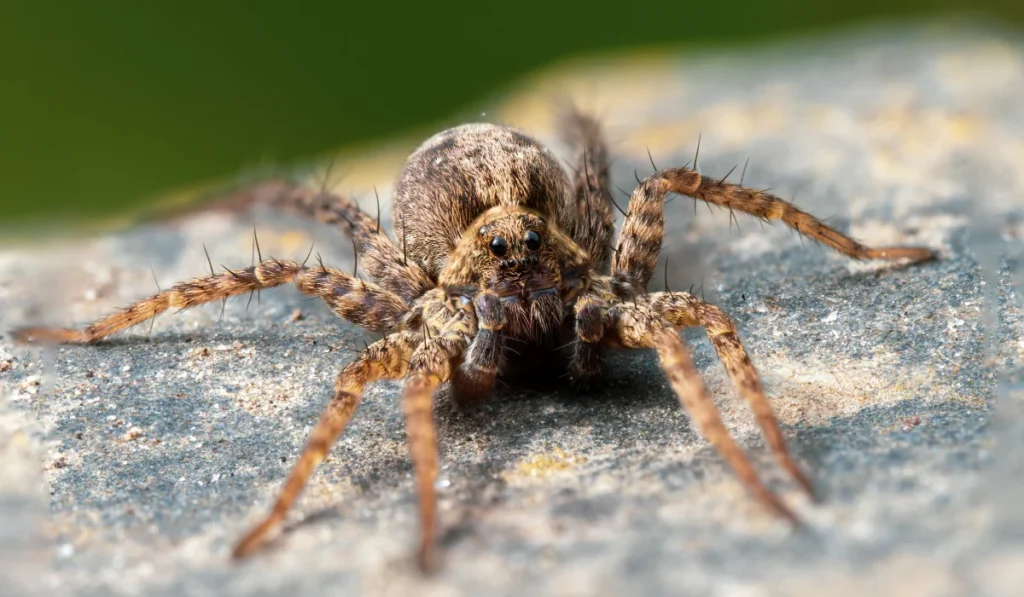
Common house spiders typically have round abdomens and long legs for web-building. Wolf spiders usually appear larger, move quickly, and do not build webs.
Other common spiders include jumping spiders (small and stocky) and fishing spiders (long-legged and quick). Grass spiders often show up near doors, vents, and window wells.
These spiders live throughout Michigan, including Lansing, Ann Arbor, and nearby communities. They often live indoors and are usually harmless.
Key Identification Traits of House Spiders
House spiders often spin webs in corners and along ceilings. Many species have patterned bodies, visible hair, and thicker legs. Most flee when disturbed and avoid direct contact with people.
Why Are Brown Recluse and House Spiders Often Confused in Michigan?
Brown recluse vs. house spider mix-ups happen because dim light, fast movement, and fear can trick the eye. If a brown spider runs by at night, you usually cannot get a good look. Your brain may guess the rest.
Michigan spider season also plays a role. As temperatures drop, spiders move indoors, increasing sightings in basements and garages across Michigan homes.
Reasons spiders love basements in Michigan include moisture, insects, and limited disturbance. These same conditions attract harmless house spiders that look alarming but pose little threat.
Which Is More Dangerous: Brown Recluse or House Spiders?
Brown recluses are venomous, but the risk in Michigan is still low. Bites are rare and often occur when a person traps the spider against their skin, such as in clothing or bedding.
House spiders rarely bite people. If a bite happens, it is usually mild and does not need medical care.
In rare cases, venomous spiders, such as black widow spiders, can cause more severe symptoms. A red, hourglass-shaped marking on the abdomen is a warning sign. Even then, spiders are not as aggressive as a wasp, and they are far less threatening than a tarantula.
If you have severe pain, skin changes, or flu-like symptoms, seek medical attention right away.
How Do You Get Rid of Brown Recluse and House Spiders in Michigan?
Spider control starts with habitat changes. Reduce clutter, seal cracks, and manage moisture. Remove wood piles from near foundations and limit insect activity around your home.
For house spiders, routine pest control can reduce insects and block entry points. If you suspect a brown recluse, calling a pro is safest because misidentification is common.
At Pest Pros of Michigan, our team uses inspections, sealing (exclusion), and targeted treatments that fit Michigan homes and seasons.
Steps for Removing Brown Recluse Spiders
Seal gaps, check stored items, and get a proper ID from a pro. Avoid DIY handling that could lead to bites.
Steps for Removing House Spiders
Seal entry points, reduce insects, and keep up with routine service if needed. Most house spider issues improve fast.
When Should You Call a Professional for Spider Problems in Michigan?
Call a pro if you see more spiders, find them in bedrooms or living areas, or cannot ID what you found.
A spider problem can indicate gaps around the home, moisture issues, or excessive insect activity. A pest pro can identify the spider and help stop the problem long-term. Many Michigan homeowners seek help before the problem worsens.
Making the Right Brown Recluse vs House Spiders Michigan Control Choice for Your Home
When you understand the difference between brown recluse and house spiders, Michigan fears start to fade, and you can respond appropriately. Most indoor spiders are not dangerous and can help control insect populations.
Correct identification protects your family and helps you avoid unneeded treatments. If you are not sure, a professional can help.
At Pest Pros of Michigan, we help Michigan homeowners reduce spider activity with professional pest control services in Michigan tailored to local homes and seasons.
Contact us today to schedule an inspection or get help identifying a spider.
FAQs
How can I quickly tell a brown recluse from a house spider in Michigan?
Look for overall body features, not just color. Brown recluse spiders usually have smooth bodies and long, thin legs, while most house spiders have fuzzy hair, patterns, or thicker legs. If you see a web, it is more likely a house spider. When unsure, take a photo for professional ID.
Which is more dangerous, brown recluse spiders or house spiders?
Brown recluse spiders are more dangerous because they have venom, but bites are rare in Michigan. House spiders are not considered dangerous and rarely bite people. Most spider bites in Michigan cause mild symptoms and do not need medical care. Severe reactions are uncommon.
Does the weather in Michigan affect whether I see brown recluse spiders or house spiders?
Yes. As Michigan weather cools in the fall, many house spiders move indoors for warmth and food, which increases sightings. Brown recluse spiders do not handle cold well and rarely survive Michigan winters. Seasonal changes make house spiders much more likely to appear than brown recluses.

 Serving Michigan since 2018
 Pest-free guarantee
 Small, local business
 10+ years of pest control experience
 President and CEO of Pest Pros of Michigan
 Resident of Michigan