You head into the basement to grab a tote, check the laundry, or look at the water heater, and there it is: fresh cobwebs in the corner and a spider moving along the wall. For many Michigan property owners, that scene is familiar. Basement spiders are common in homes, rentals, and commercial buildings because basements offer exactly what spiders look for.
In places like Kalamazoo and Grand Rapids, seasonal weather shifts make the problem more noticeable. The good news is that spiders are predictable. When you understand what attracts them, you can make the space less inviting and know when it is time to bring in professional pest control.
Key Takeaways
- Basements attract spiders because they offer moisture, shelter, and a steady food source.
- Clutter, cardboard boxes, and undisturbed storage areas give spiders more places to hide and reproduce.
- Small entry gaps, high humidity, and ongoing insect activity can cause a spider infestation to continue growing.
- The best spider control plan focuses on inspection, exclusion, moisture reduction, and long-term pest control.
Why Spiders Gather in Basements
Basement spiders do not appear at random. In most Michigan properties, their presence points to a few clear conditions that make the lower level easy to settle into. When those conditions persist, spiders gather in basements.
Moisture Creates Better Living Conditions
Spiders do well in spaces with steady humidity levels, and basements often provide that. A damp corner, a small plumbing leak, or poor airflow can make the area more comfortable for spiders while also drawing in insects they hunt.
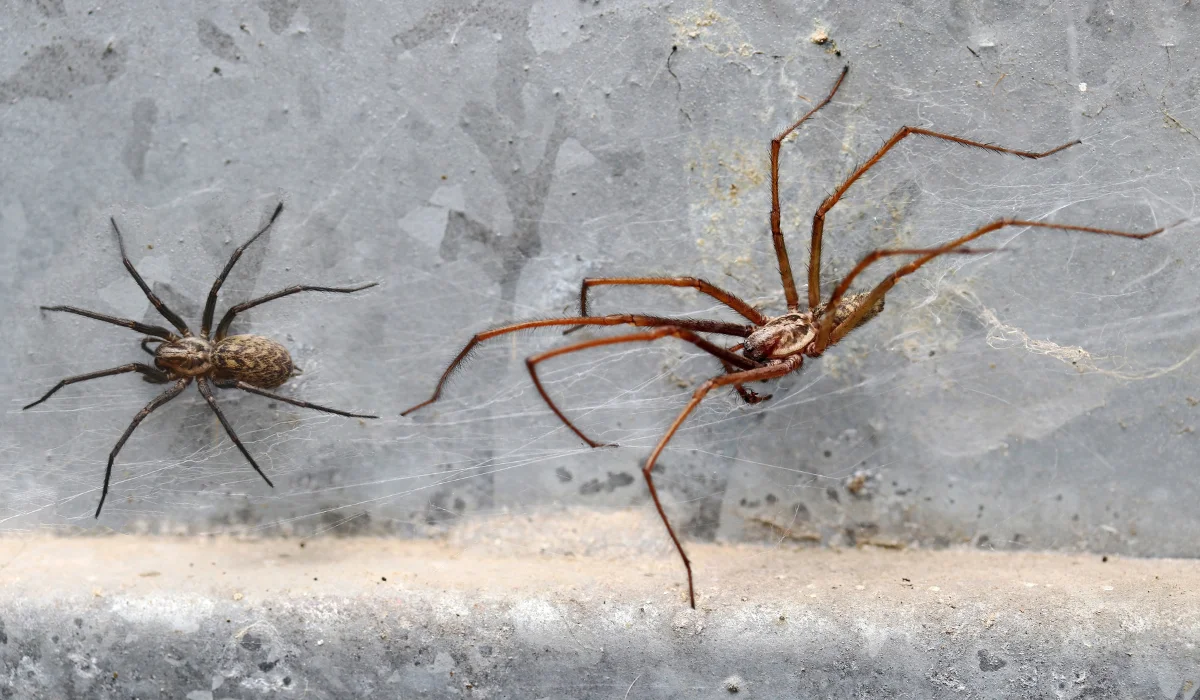
That matters because spiders love places where prey is already active. Moisture can attract cockroaches, flies, and other occasional invaders, giving spiders like daddy long-legs a reliable food source. In homes with crawl spaces or unfinished basements, that pattern is even more common.
Storage Clutter Adds More Hiding Spots
Stored items attract spiders to basements. Piles of seasonal decorations, old furniture, and rarely moved bins create layers of cover that are hard to inspect and easy for spiders to use.
Cardboard boxes are especially common trouble spots. They hold moisture more easily than plastic bins and create ideal hiding spots for lots of spiders, egg sacs, and the insects spiders feed on. Decluttering does not solve every pest issue on its own, but it removes many of the conditions that allow a spider infestation to build quietly.
Other Pests Keep Spiders Fed
Spiders stay where feeding is easy. If your basement already has roaches, bed bugs in nearby storage areas, flies, or other insects, spiders have a reason to remain active.
That is why pest control professionals do not treat spider problems as a web issue alone. If the food source remains in place, new spiders usually replace those you remove. Long-term spider control in Michigan starts by looking at the whole pest picture, not just the spiders you happen to see.
Why Basement Spider Activity Can Keep Growing
Seeing one or two spiders does not always mean you have a major issue. Still, when the environment stays favorable, spider populations can build over time and become much harder to ignore.
Michigan Weather Pushes Activity Indoors
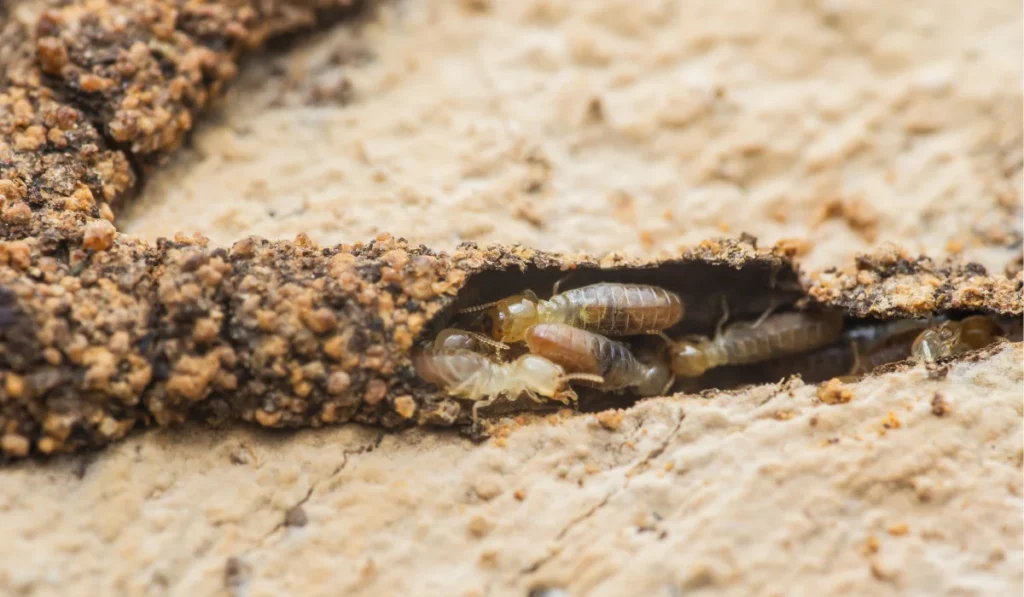
Michigan’s seasons also drive spiders indoors. During colder months, spiders and the insects they hunt, like a subterranean termite move inside for shelter. During humid stretches, basements stay cool and damp enough to support ongoing activity.
So even if your basement looks clean, it may still offer better living conditions than the outdoors. That is one reason basement spiders remain a year-round issue for homeowners, tenants, and commercial properties across Michigan.
Small Openings Create Easy Access
Spiders do not need a large gap to get inside. Tiny cracks around foundation lines, utility openings, windows, and door thresholds can all provide easy access. Worn weatherstripping and gaps near pipes make the problem worse.
When pest professionals inspect a basement, they are not just looking for spider webs. They are also checking where spiders and other pests are getting in. If you do not seal entry points, new activity can continue no matter how often the visible spiders are removed.
DIY Steps Often Miss the Root Cause
DIY efforts can help reduce visible activity, but they often stop at the surface. Sweeping down spider webs or spraying a spider repellent may give short-term relief, yet those steps rarely address hidden nesting areas, food sources, or structural access points.
That is where professional pest control makes a difference. A trained exterminator looks at why the spiders are there, how long they have been active, and what conditions are allowing spider populations to keep growing.
How to Make a Basement Less Attractive to Spiders
A better basement environment makes spider problems less likely to return. The goal is not just to get rid of spiders for the moment, but to remove the conditions that keep drawing them back.
Seal Cracks and Other Entry Areas
Start with exclusion. Use caulk to seal cracks around windows, foundation seams, and utility penetrations. Add or replace weatherstripping where basement doors or windows no longer close tightly.
When you seal entry points, you reduce movement from both spiders and the insects they feed on. That makes this one of the most practical ways to support long-term spider control.
Cut Back on Clutter and Change Storage Habits
Decluttering gives spiders fewer places to settle. It also makes inspections easier, making you more likely to spot activity before it spreads.
Try replacing cardboard boxes with sealed plastic bins and keeping stored items off the floor when possible. That simple shift removes many of the protected pockets where basement spiders, spider webs, and egg sacs tend to build up.
Use Prevention Methods That Match the Problem
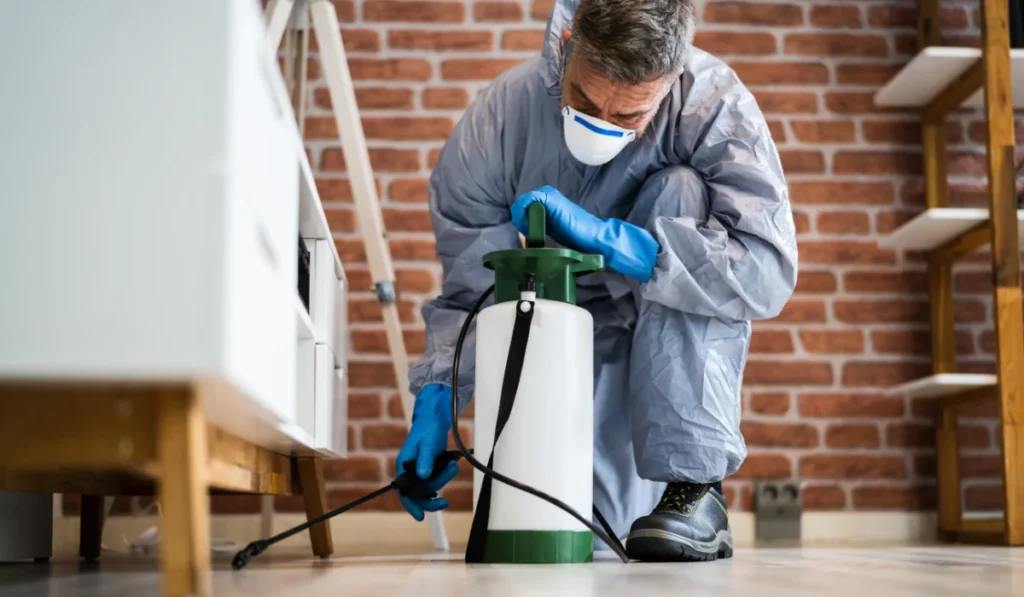
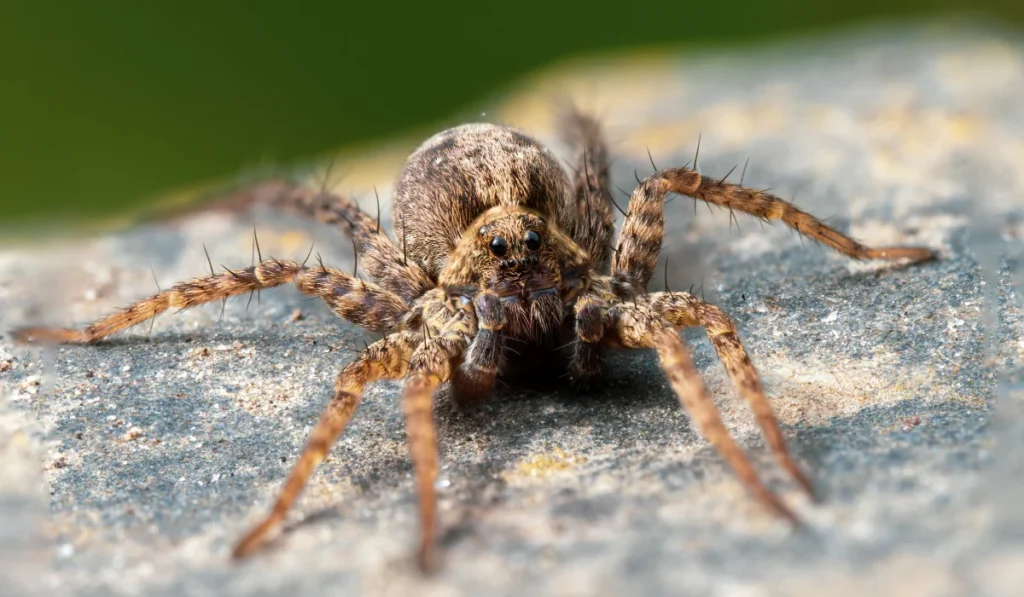
Professional pest control takes a more complete approach. That may include inspection, species identification, treatment of active areas, and recommendations based on what is drawing spiders inside. It is also the best way to respond when people worry about species such as wolf spiders, black widow spiders, or brown recluse spiders, or when there are reports of brown recluse sightings.
Making the Right Spider Control Choice for Your Michigan Property
Basement spiders usually show up for a reason. Moisture, clutter, hidden access points, and active insects all make the space easier for them to use. When those factors remain in place, spider activity often persists longer than people expect.
A strong plan focuses on more than quick cleanup. You need to reduce hiding spots, seal entry points, manage humidity, and address the pests that feed spiders. That is what makes a basement more usable, more pest-free, and much less inviting over time.
If you are dealing with basement spiders in Michigan, Pest Pros of Michigan can help you identify the cause and develop a practical solution. Schedule service or contact us to get professional spider control for your home, rental property, or commercial space.
FAQs
Why do I keep seeing spiders in my basement?
Basements often give spiders what they need most: shelter, moisture, and insects to eat. If the area has clutter, damp air, or easy entry points, spiders can remain active for long periods and may continue to reappear until the conditions change.
Are basement spiders in Michigan dangerous?
Most basement spiders in Michigan are more of a nuisance than a danger. Common species include house spiders, cellar spiders, and wolf spiders. Still, unusual sightings or concerns about black widow or brown recluse spiders should be checked by a pest control professional.
What is the best way to get rid of spiders in a basement?
The best approach combines cleaning, decluttering, moisture reduction, and exclusion work like sealing gaps and cracks. For a recurring spider infestation, professional pest control is usually the most effective option because it addresses both the spiders and the pests attracting them.

 Serving Michigan since 2018
 Pest-free guarantee
 Small, local business
 10+ years of pest control experience
 President and CEO of Pest Pros of Michigan
 Resident of Michigan