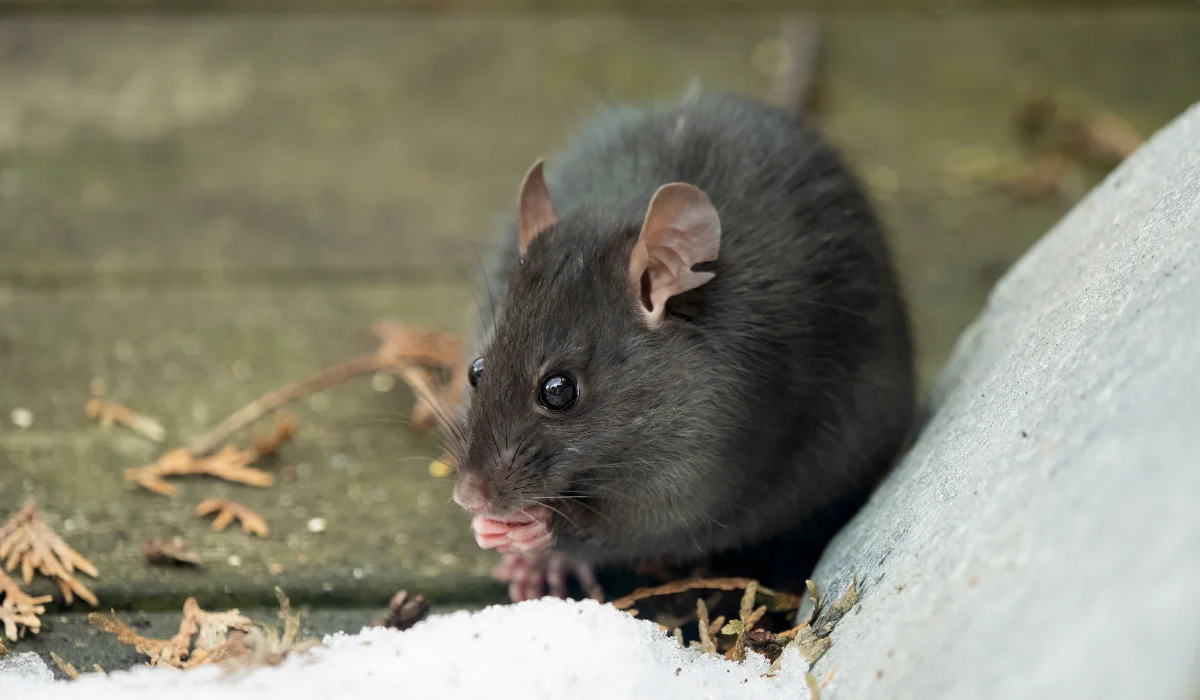
Winter in southwest Michigan changes how pests act, especially inside commercial properties that provide steady heat and food. As temperatures fall, winter pest activity in commercial facilities in Battle Creek, MI, increases. Buildings that stay warm become prime targets. Local business owners often observe increased rodent infestations in Battle Creek facilities, cockroach sightings, and other signs of pest activity shortly after the first freeze.
Facilities across Battle Creek and Kalamazoo face different pest pressures based on building age, layout, and sanitation habits. Warehouses, healthcare offices, retail spaces, and restaurants all face unique pest problems in winter. Even a small gap in exterior walls or along the foundation can lead to infestations that disrupt daily operations.
Understanding how winter affects pest behavior helps you spot risks early. By implementing effective prevention measures and reliable commercial pest control services in Michigan, Battle Creek facilities can stay pest-free through the coldest months.
Key Takeaways
- Winter drives common pests indoors, increasing infestations in Battle Creek, MI, businesses.
- Droppings, scratching noises, and chewed materials are early signs of hidden pest issues.
- Sealing entry points and improving sanitation slows down winter pest activity.
- Professional commercial pest control helps protect your facility over the long term.
Video: How Long Does It Take For Professional Pest Control To Work? – Insects and Invaders
This video explains why professional insect and rodent control treatments remain effective after application. It shows how some products take time to affect insects and how integrated pest management methods help reduce pest activity. These visuals help business owners understand how winter infestations respond to commercial pest control services in their buildings.
Why Do Pests Infest Facilities in Battle Creek, MI, During Winter?
Winter pest activity in commercial facilities in Battle Creek, MI, increases because cold weather reduces outdoor food sources and drives pests indoors. Heated buildings in Battle Creek’s industrial areas and downtown give rodents and insects the warmth they need to survive.
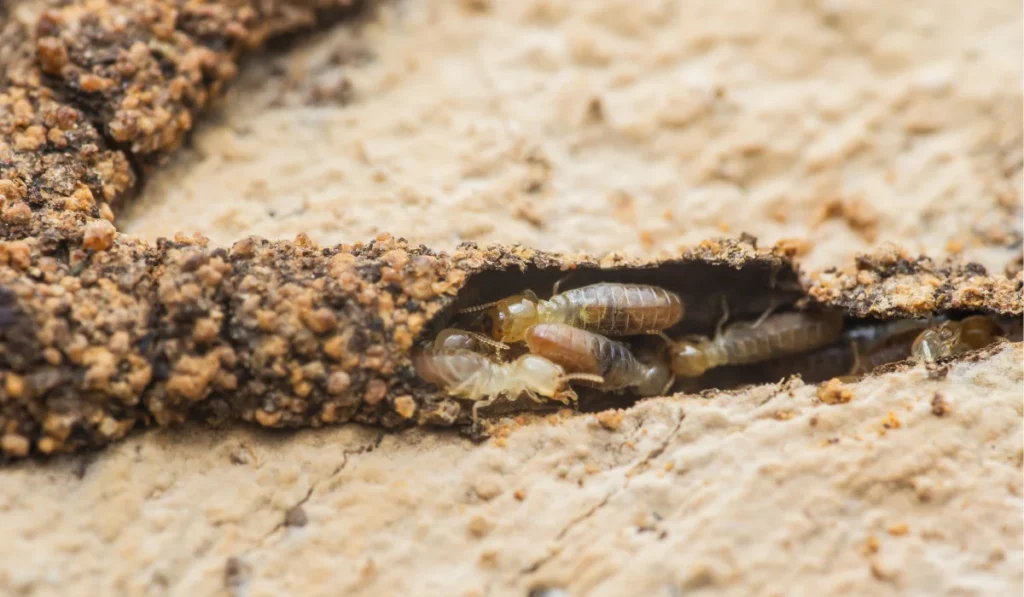
Once inside, pests move through wall voids, along utility lines, and into storage areas. They look for food or moisture that is still available. Many commercial properties in Michigan have basements and older parts of the building that hold moisture. These damp pockets attract cockroach infestations in Battle Creek buildings, sometimes termites, and other seasonal pests.
With sufficient warmth and shelter, infestations can grow and pose health risks to employees and customers. Human activity inside the building adds another risk factor. Break rooms, trash areas, and loading docks provide pests with numerous opportunities to find food. When regular cleaning lapses, winter pest problems worsen.
Because winter conditions allow pests to hide, spread, and find food indoors, pest control professionals recommend regular inspections to stay ahead of future infestations and help keep the building safe throughout the season.
What Attracts Pests to Facilities in Battle Creek, MI During Winter?
Indoor food sources are the biggest draw for pests during winter. Crumbs, cardboard storage, and open bins can bring rodents, cockroaches, and other common pests into key areas of commercial properties. Once pests locate these food sources, infestations often spread to warmer regions of the building.
Moisture is another major factor. Leaky pipes, clogged drains, restroom sinks, and dish areas create damp spots that pests use during colder months. These wet pockets can lead to pest issues that worsen if left unaddressed. Even a small drip under a sink can sustain winter pest activity.
Shelter also plays a big role. Clutter, loose insulation, storage racks, and open wall voids create perfect hiding places. Landscaping near the foundation, leaf piles, and mulch beds provides pests with direct pathways into the structure. As the season moves into deep winter, these hidden spots help pests move indoors.
How Do You Prevent Pest Infestations in Battle Creek, MI, During Winter? (Step-by-Step)
Helping commercial properties stay pest-free starts with a structured approach. Strong preventive measures limit pest activity and prevent minor problems from escalating into full infestations.
Many facilities in Battle Creek choose either nuisance pest control or a complete IPM strategy to reduce risk.
Step 1: Seal Entry Points
Rodents can fit through holes smaller than a quarter inch, and insects can slip through hairline cracks. Seal gaps around doors, windows, utility lines, dock plates, and roof edges. Fixing these entry points improves long-term pest prevention and supports pest plans that match your building’s specific needs.
Step 2: Reduce Moisture Indoors and Outdoors
Fix leaks, improve ventilation, and clear gutters to stop moisture buildup. Damp areas attract cockroaches, termites, and other insects. Moisture control is one of the most effective preventive measures during winter.
Step 3: Improve Food and Waste Management
Trash areas and food-handling zones must remain clean. Store food in airtight containers and keep break rooms free of crumbs and spills. Keeping these areas clean reduces the number of food sources that attract rodents and insects. Regular cleaning also removes droppings. Removing droppings lowers pest-related health risks in healthcare facilities, warehouses, and restaurants.
Step 4: Maintain Landscaping
Trim shrubs around buildings, store pallets off the ground, and keep mulch depth low. These outdoor changes reduce winter pest movement toward the building walls. A clean perimeter can reduce pesticide use and support safer, year-round operations.
Step 5: Use Preventive Treatments When Needed
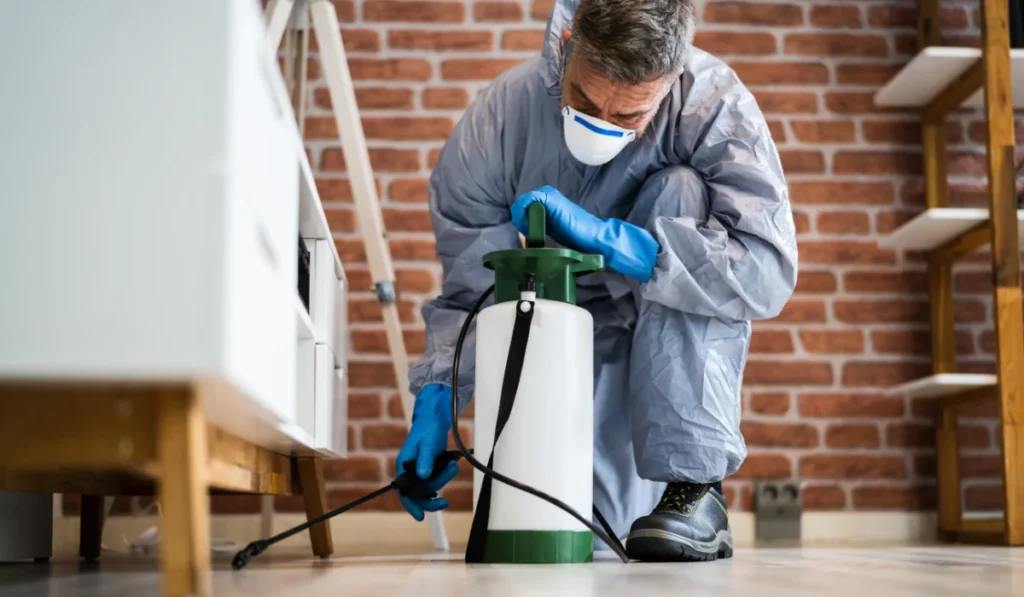
Integrated pest management (IPM) programs often use a mix of safe baits, monitoring, and targeted treatments. These methods lower environmental impact while helping prevent future infestations. Trained pest control professionals spot pest activity patterns and choose materials that match your facility’s needs.
What DIY Methods Help Prevent Pests in Battle Creek, MI?
DIY steps can help prevent early pest issues, but they cannot replace professional services for commercial properties. Business owners can seal small cracks, remove clutter, improve cleaning, and use monitoring devices to track rodent activity. These simple steps reduce pressure from seasonal pest problems.
But DIY methods fall short when dealing with bed bugs, termites, or deep cockroach infestations. These pests hide inside walls and equipment, making them difficult to eliminate without an exterminator. Facility managers often request commercial pest control when DIY solutions fail or when infestations spread quickly in storage rooms or break areas.
DIY methods also cannot match the careful inspections and expertise that pest control professionals provide. Our years of experience help us choose solutions that reach hidden spaces and better prevent future infestations.
How Does the Battle Creek, MI, Climate Affect Pest Prevention?
Michigan winters create conditions that push pests indoors. Sudden snowstorms and sharp temperature drops drive rodents into warehouses and retail properties. When buildings stay warm, pest activity inside them increases.
Rodent control becomes more urgent when snow piles up against foundations, weakening structural components. Winter is also a good time to check for moisture problems. Cold weather can reveal drainage issues that contribute to infestations.
In spring, focus on sealing and cleanup. In summer, focus on sanitation. In the fall, prepare the building for winter’s return. These timelines help business owners plan pest prevention for the whole year.
Urban areas of Battle Creek face greater rodent pressure, while suburban areas near wooded areas often require more insect control. When pest control services understand these climate patterns, they can develop prevention plans that reduce environmental impact and protect commercial properties through the following season.
When Should You Call a Professional for Pest Prevention in Battle Creek, MI?
Call a pest control professional if pests keep reappearing even after DIY measures. You should also call during business hours if you see signs of an infestation, such as droppings, scratching noises, damaged packaging, or pests.
Winter pest pressure builds quickly in commercial buildings, so early action is very important. A thorough inspection identifies problem areas and helps develop pest plans tailored to your building. Professional commercial pest control services protect businesses with targeted treatments, safer materials, and regular inspections designed for Michigan facilities.
Companies often choose recurring plans for year-round coverage and satisfaction-guaranteed options, giving business owners confidence in their pest protection.
Making the Right Pest Prevention Plan for Your Battle Creek, MI Facility
Winter pest activity in commercial facilities in Battle Creek, MI, requires solid planning to keep buildings protected. Sealing entry points, improving sanitation, and implementing preventive measures help prevent infestations from spreading. When you combine these steps with commercial pest control services, proactive pest control helps protect business continuity and keep facilities safer through the coldest months.
Every building has its own needs based on layout, products, and daily activity. At Pest Pros of Michigan, we develop pest control solutions tailored to local conditions and the challenges businesses in Battle Creek and Kalamazoo face.
If you want dependable protection and pest-free operations, contact us today. Our team is ready to support your facility all year.
FAQs
What is the most important step in preventing winter pest issues in commercial properties?
Sealing entry points remains the most critical step. Rodents and insects enter through small openings that grow during winter. Closing these areas prevents infestations and supports long-term pest prevention.
Are DIY pest prevention methods effective for businesses?
DIY methods can help address minor pest issues, but commercial properties typically require professional support. Complex buildings require pest control services that deliver accurate inspections and solutions tailored to their structural design.
Does winter weather increase pest activity inside Battle Creek facilities?
Yes. As outdoor temperatures drop, rodents, cockroaches, wasps, hornets, and other pests move toward warm buildings. Their movement toward heated structures increases pest activity and the frequency of winter infestations.
Yes. As outdoor temperatures drop, rodents, cockroaches, wasps, hornets, and other pests move toward warm buildings. Their movement toward heated structures increases pest activity and the frequency of winter infestations.

 Serving Michigan since 2018
 Pest-free guarantee
 Small, local business
 10+ years of pest control experience
 President and CEO of Pest Pros of Michigan
 Resident of Michigan