Rats show up all year across Michigan, and homeowners in Grand Rapids see plenty of activity. When you know the types of rats Grand Rapids, Michigan, faces most often, you can protect your home before an infestation starts. If you can identify the species early, it is easier to stop damage in basements, crawl spaces, sheds, and attics.
This guide explains common rodents found in neighborhoods from Grand Rapids to Kalamazoo, including when homeowners may need help with mice control in Grand Rapids, MI. You will see what they look like, where they hide, and how to respond when you spot droppings or gnaw marks.
If rats gain a foothold on your property, a local pest control service like Pest Pros of Michigan can provide safe, effective solutions. When you understand how rats behave, you can protect your home, stop structural damage, and keep your family safe.
Key Takeaways
- Norway rats are the primary cause of rat problems across Michigan and prefer ground-level nests.
- Roof rats are less common outdoors in Michigan, but still enter attics, garages, and storage areas.
- Common signs include droppings, burrows, gnaw marks, and damaged electrical wires.
- Professional rodent control gives you the safest and most reliable way to get rid of a rat infestation.
Video: How to Identify What Type of Rat You Have
This video gives simple tips to help you tell which type of rat is in your home. It shows key features like body size, tail length, ear shape, and how each species moves. These details help you distinguish rats from mice and avoid confusion.
When you can spot these differences, you can choose the right treatment plan and act sooner.
What Types of Rats Are Most Common in Grand Rapids, Michigan?
The types of rats Grand Rapids residents see most often include the Norway rat and, less often, the roof rat. These species thrive in neighborhoods with older buildings, steady food sources, and gaps around foundations. Rats in Detroit, Ann Arbor, and Grand Rapids follow similar seasonal patterns and often move inside when temperatures drop.
Homeowners with a rat infestation often notice burrows around foundations, chewed storage bins, or activity near pet food. Because rodents are still Michigan’s number one problem, proper identification matters.
Norway rats in Grand Rapids
The Norway rat, also called the brown rat, is the most common rat in Michigan. This rat stays close to the ground and builds burrows along foundations, woodpiles, and sheds. Norway rats grow large and move into basements and crawl spaces when they find open entry points. Their droppings look capsule-shaped and scatter quickly through tight spaces.
Roof rats in Michigan
Roof rats appear less often in West Michigan because of the colder climate, but you may still see them when they search for shelter. These agile climbers move along tree branches, rooflines, and utility lines. Once inside, they nest in attics and storage areas, especially near food or cardboard boxes.
Even though roof rats in Michigan are uncommon, their presence is increasing as temperatures warm across North America.
Other rodents that are mistaken for rats
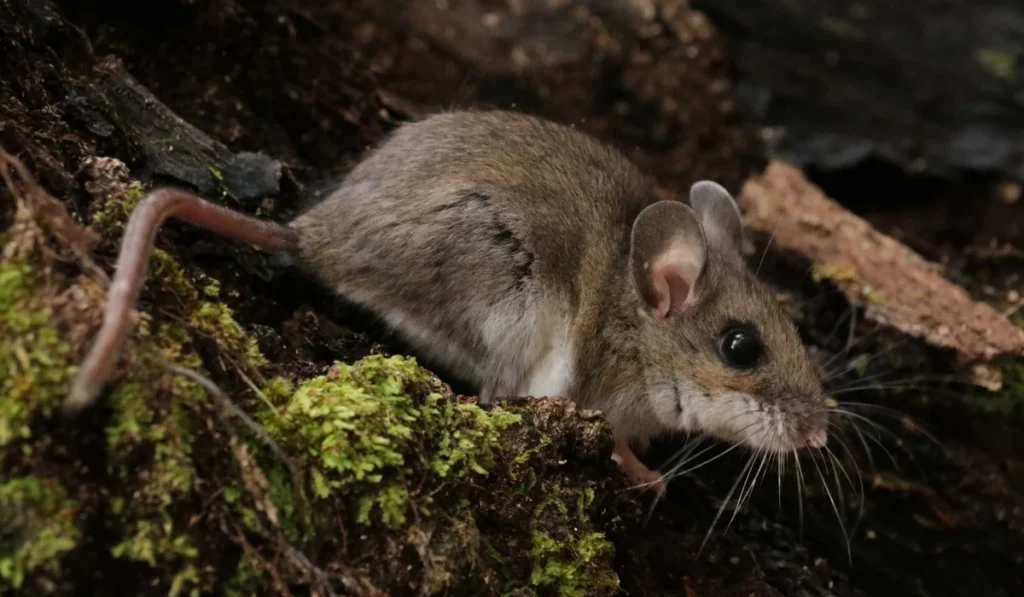
Many people mistake house mice, voles, chipmunks, and other small rodents for rats. You might see quick movement in the yard and assume rats are present. Correct identification helps you target the right pest and pick the best control plan. Because homeowners often misidentify species, careful identification is essential.
What Do the Different Types of Rats in Grand Rapids, Michigan Look Like?
Size, color, and body shape can tell you a lot about which rat is inside your home. Simple photo descriptions and clear markers make the process easier, especially when the activity stays hidden in basements or attics.
What does a Norway rat look like in Grand Rapids?
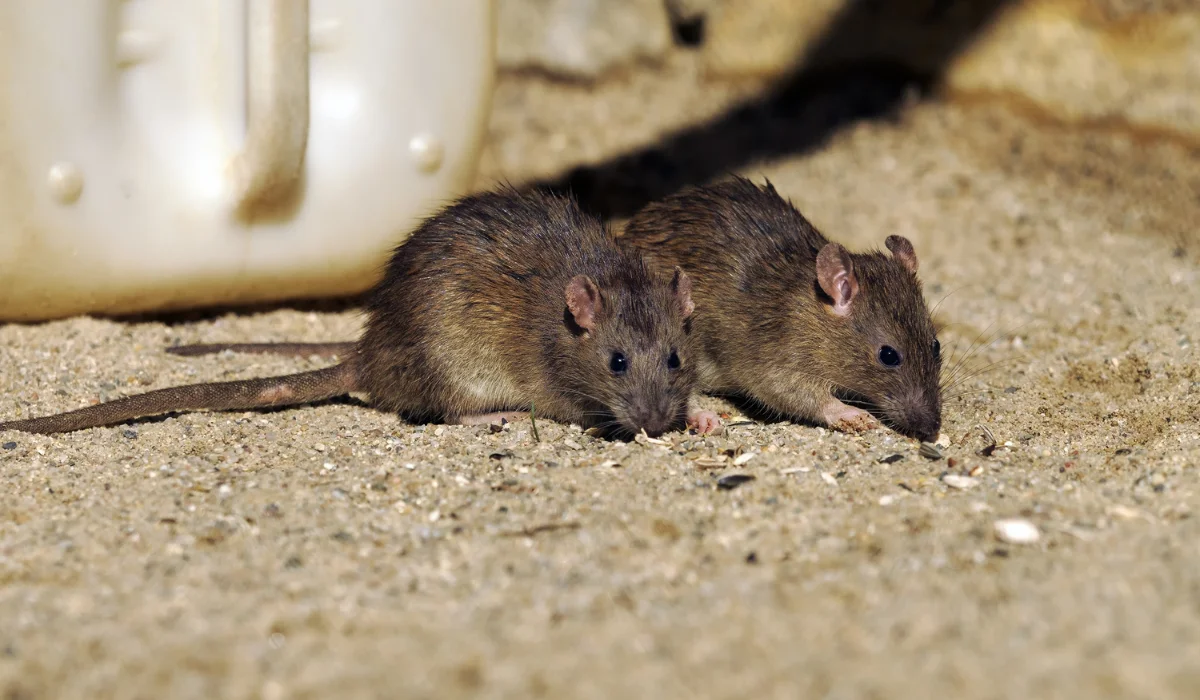
Norway rats have stocky bodies, blunt noses, small ears, and short, thick tails. Their brown-gray fur helps them blend into dirt and concrete.
Their size and ground-level movement make them easier to identify.
Photo alt text: “brown rat with short tail and stout body near foundation.”
What does a roof rat look like in Michigan?
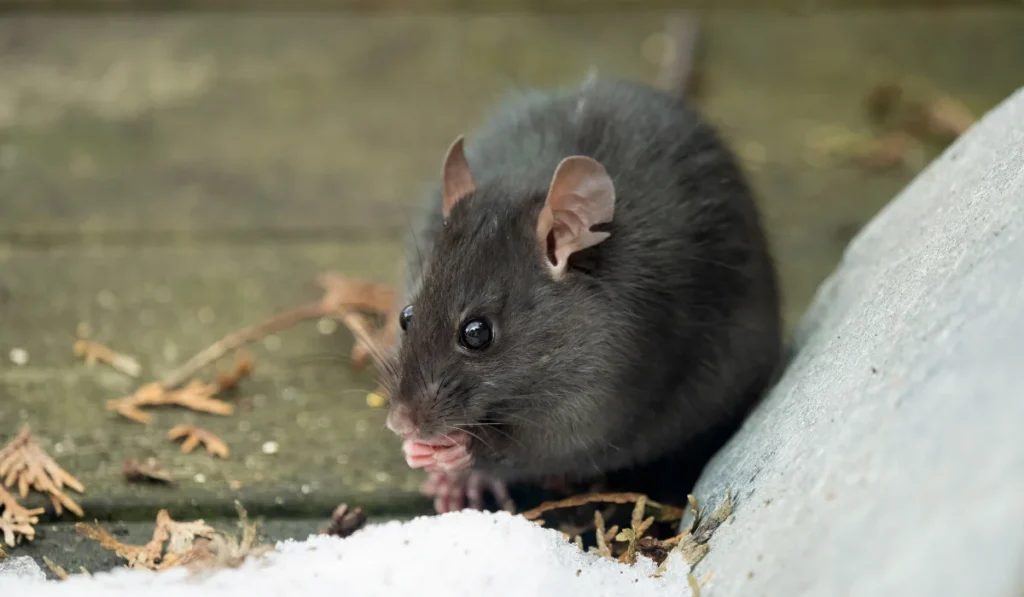
Roof rats look slimmer and longer, with large ears and pointed noses. Their tails stretch longer than their bodies and help them balance along beams and rafters.
If you see rats high off the ground, roof rats may be the cause.
Photo alt text: “slender black rat climbing along wooden beam.”
What does a juvenile rat look like?
Young rats resemble large mice, which makes identification difficult for many homeowners. Droppings, tail length, and head shape usually give better clues than body size alone.
Where Do Different Types of Rats Hide in Grand Rapids Homes and Yards?
Rats hide in places that provide shelter, warmth, and nearby food. Their habits vary slightly by species, but both roof and Norway rats thrive in suburban areas across Michigan.
Indoor hiding spots in Grand Rapids
Rats squeeze into basements, crawl spaces, attics, wall voids, and kitchen storage areas. Once inside, they follow electrical wires and plumbing lines to move from room to room. At night, they search for pet food and pantry items.
Prevent rats from entering your Michigan home in the fall by sealing gaps before temperatures drop.
Outdoor hiding spots in Grand Rapids
Burrows under decks, woodpiles, sheds, and landscape beds give rats good cover. Norway rats dig wide tunnel networks and stay close to steady food sources. Roof rats hide in trees, garage rafters, and stored materials around the yard. Suburban areas provide shelter for rats year-round, so prevention should occur in every season.
Which Types of Rats in Grand Rapids, Michigan, Are Dangerous or Destructive?
Rats spread fleas, contaminate food, and damage property. Their droppings and urine can spread diseases, including hantavirus, in closed spaces. They chew through electrical wires, insulation, and stored belongings, so structural damage can build up quickly. Norway rats dig near foundations, weaken soil, and make it easier for moisture and additional rodents to enter.
Making the Right Rat Control Choice for Your Michigan Home
Rats rarely leave on their own, especially once they settle in basements, crawl spaces, or outdoor burrows. By understanding the types of rats Grand Rapids residents face, you can act early and avoid costly repairs. Norway rats and roof rats both create ongoing problems, but local experts can remove them more safely and quickly.
A professional inspection can confirm the species and reveal hidden entry points before the issue spreads. If you want reliable, local help, our team at Pest Pros of Michigan provides detailed exclusion work and long-term protection to keep your home pest-free.
Contact us today or request a free quote, and let our team bring back comfort and safety in your home.
FAQs
What is the most common type of rat in Grand Rapids
The Norway rat remains the most common species across Michigan. It thrives in neighborhoods with older foundations, nearby food sources, and easy shelter. Grand Rapids, Detroit, and Ann Arbor all report regular Norway rat activity.
How can I identify different types of rats quickly
Look at droppings, tail length, body shape, and location. Norway rats stay near the ground, while roof rats favor elevated areas. Gnaw marks and damaged storage items also help confirm a rodent infestation.
Do certain types of rats only appear more in certain seasons?
Rats stay active year-round, but movement increases in fall when they search for warm shelter. Winter pushes them indoors, while spring and summer bring more outdoor burrows and food-based activity.
Rats stay active year-round, but movement increases in fall when they search for warm shelter. Winter pushes them indoors, while spring and summer bring more outdoor burrows and food-based activity.

 Serving Michigan since 2018
 Pest-free guarantee
 Small, local business