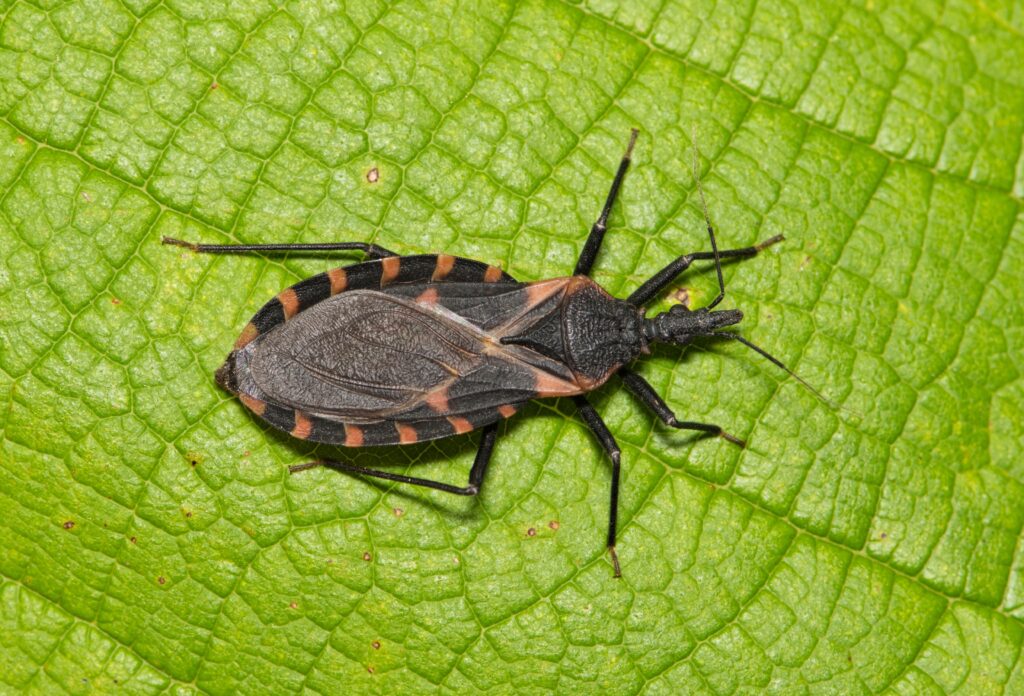
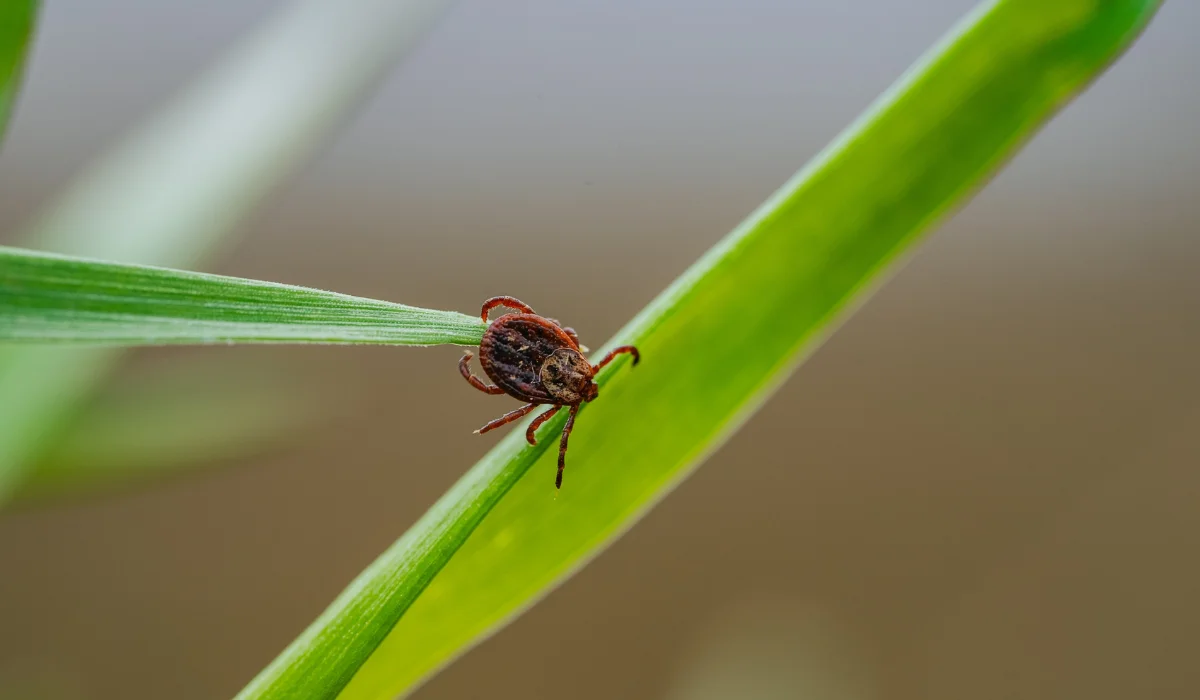
Ticks are easy to overlook until you find one crawling on your clothes, attached to your dog, or hiding behind a child’s knee after an afternoon outside. In Michigan, those encounters can happen while gardening, walking a wooded trail, clearing leaves, or spending time near the shaded edge of your own yard.
Understanding ticks in Michigan starts with knowing where they spend their time and how they reach people and pets. Ticks do not fly or jump. They wait on vegetation or other surfaces and attach when a host passes close enough.
For homeowners, prevention does not require avoiding the outdoors. It means knowing which areas around your property deserve attention, checking yourself and your pets after outdoor activity, and responding correctly when you find an attached tick. This guide walks through each step.
What Michigan Homeowners Should Know About Ticks
Ticks are arachnids rather than insects. What matters more around your home is how they reach you. They cannot fly or jump. Instead, they crawl onto low vegetation or another surface and wait until a person or animal brushes past.
Ticks develop through egg, larva, nymph, and adult stages. After hatching, the feeding stages need a blood meal to keep developing. Birds, small mammals, deer, pets, and people can all serve as hosts at different points in that cycle.
Where Ticks Are Most Likely to Turn Up
Look first at the edges of your property. The middle of a sunny, short lawn offers very different conditions from damp leaves behind a shed, dense plants beside a fence, or a wooded border where deer and smaller animals regularly pass.
Ticks lose moisture easily, so sheltered areas give them better conditions. That is one reason ticks in your yard may be concentrated in a few specific places rather than spread evenly across the whole property.
| Area Around Your Home | Why It Can Support Tick Activity |
| Leaf litter | Holds moisture and protects the ground from direct sun |
| Tall grass | Gives ticks vegetation to crawl onto as hosts pass |
| Wooded borders | Connect residential yards with wildlife habitat |
| Fence lines | Often collect leaves, weeds, and shaded growth |
| Wood piles | Create shelter for small animals that may carry ticks |
| Areas beneath decks | Stay shaded and protected for much of the day |
| Regular pet routes | Put dogs in repeated contact with the same vegetation |
| Dense shrubs | Create cooler conditions close to the soil |
A yard can look well maintained and still have tick pressure. A narrow strip behind the garage or a shady dog path along the fence may matter more than the lawn you mow every week.
When Is Tick Season in Michigan?
There is no single start and end date for tick season in Michigan. Species, life stage, temperature, snow cover, and local weather all affect activity. Your own outdoor routine changes through the year as well, which changes how often you cross paths with ticks.
Spring cleanup puts you into old leaves and brush. Summer brings more time in gardens, parks, trails, and backyards. During fall, fresh leaf litter builds up while people are still raking, walking dogs, hunting, hiking, and working outside.
| Season | What Changes for Homeowners |
| Spring | Cleanup brings you into old leaves, brush, and vegetation |
| Summer | Frequent outdoor activity increases contact with tick habitat |
| Fall | Fresh leaf litter creates more sheltered ground |
| Winter | Activity drops, but sheltered ticks can survive cold periods |
Why Blacklegged Ticks Matter in Michigan
Blacklegged ticks, often called deer ticks, receive the most attention because they can transmit the bacteria responsible for Lyme disease. Finding one does not mean you will become ill, and not every blacklegged tick carries the bacteria.
For homeowners, consistency matters more than memorizing a date on the calendar. When mild weather has you working in leaves, walking through brush, or spending time along wooded edges, a tick check is still worthwhile.
Why Tick Bites Deserve Attention
Most tick bites do not result in illness, but an attached tick should not be ignored. Disease risk depends on several factors, including the type of tick and the circumstances surrounding the bite.
Lyme disease is one of the best-known tick-borne illnesses in the United States and is relevant when discussing Lyme disease in Michigan. According to the Centers for Disease Control and Prevention (CDC), about 476,000 people may be diagnosed and treated for Lyme disease in the United States each year. That estimate comes from health care data and is different from the number of cases formally reported to public health agencies.
What Symptoms Should You Watch For?
Early Lyme disease can involve fever, headache, fatigue, muscle or joint aches, and an expanding rash. Symptoms are not identical for every person, and some people never develop the rash commonly associated with the illness.
If you feel sick after a known or suspected tick bite, tell a healthcare provider about the exposure and when it happened. A photo of the bite or the tick by itself cannot confirm a diagnosis.
What Should You Do After Finding an Attached Tick?
Good tick removal is simple. Once a tick has attached, focus on getting it off cleanly instead of trying to force it to release with a household remedy.
The CDC guidance for tick bites recommends grasping the tick close to the skin with clean, fine-tipped tweezers. Pull straight upward using steady, even pressure, then clean the bite area and your hands.
| Step | What to Do |
| 1 | Use clean, fine-tipped tweezers |
| 2 | Grip the tick as close to the skin as possible |
| 3 | Pull upward with steady, even pressure |
| 4 | Do not twist or jerk the tick |
| 5 | Clean the bite area and your hands |
| 6 | Make a note of when the bite occurred |
| 7 | Watch for symptoms afterward |
Skip Common Home Remedies
Do not coat an attached tick with petroleum jelly, nail polish, oils, or similar substances. Heat is not a better removal method either. Those approaches add unnecessary steps when direct removal with tweezers is recommended.
If a small piece remains in the skin and does not come out easily, avoid digging at the bite. Keep the area clean and contact a healthcare professional if you develop irritation or other concerns.
How Can You Protect Your Family and Pets From Ticks?
Effective tick prevention starts with noticing when your activity puts you in likely habitat. Clearing brush, gardening near a wooded border, hiking, camping, and walking a dog through taller vegetation all create opportunities for contact.
Wear clothing that limits exposed skin when the setting calls for it. For personal repellents, the EPA’s repellent search tool can help you compare registered options based on factors such as the pest and length of protection.
Check Yourself When You Come Inside
Start around the ankles and lower legs, then work upward. Look behind the knees, around the waist, beneath the arms, behind the ears, and through the hair. Children need help checking spots they cannot easily see after playing near woods, brush, or tall vegetation.
Look over your clothes and gear too. A tick can come indoors on a jacket or pant leg before it ever attaches to your skin.
Protect Pets From Ticks, Too
Run your hands through your dog’s coat after walks in wooded or brushy areas. Check around the ears, under the collar, between the toes, beneath the tail, and through thicker fur where a small tick can be hard to see.
Ask your veterinarian which preventive option fits your pet’s health and routine. A dog that follows the same shady path through the backyard several times each day can have far more exposure than the people who live in the house.
How Can You Reduce Ticks Around Your Michigan Property?
Good tick control starts with the parts of the yard you actually use. A patio pressed against thick shrubs, a play area next to the woods, or a dog run beside an overgrown fence gives people and pets more opportunities to brush against tick habitat.
Keep grass managed and remove heavy leaf buildup around pathways, fence lines, sheds, decks, and recreation areas. Trim vegetation that crowds spaces where people walk or sit. Keep wood piles organized, and pay close attention to the boundary where a maintained lawn meets woods or brush.
When Does Professional Tick Control Make Sense?
One tick after a weekend hike does not tell you much about your property. A pattern does. If your dog keeps picking up ticks in the backyard, family members find them after routine yard use, or the same edge of the property produces repeated encounters, a professional inspection can help identify where that exposure is happening.
Professional tick control in Michigan is most useful when it focuses on those specific conditions instead of treating every part of the lawn as identical. Shaded vegetation, transition zones, pet routes, wooded borders, and protected ground around structures may deserve closer attention based on the property.
Keeping Ticks Under Control Around Your Michigan Home
You cannot remove every tick from Michigan’s outdoor environment, but you can reduce the conditions that bring them into frequent contact with your family. Maintain high-use areas, keep excess leaves and vegetation from building up along property edges, check yourself after outdoor activity, and use veterinarian-recommended protection for pets.
If Michigan ticks keep appearing after ordinary backyard use, routine lawn care may not be addressing the places where the activity is concentrated. That is when a property-level inspection becomes more useful than simply reacting to each tick you find.
Pest Pros of Michigan can inspect properties and identify locations associated with repeated tick activity, and recommend a targeted service plan based on your yard and how your family uses it. If tick encounters keep happening despite regular yard maintenance, contact Pest Pros of Michigan to schedule an inspection and get a clearer picture of where the problem is coming from.

 Serving Michigan since 2018
 Pest-free guarantee
 Small, local business