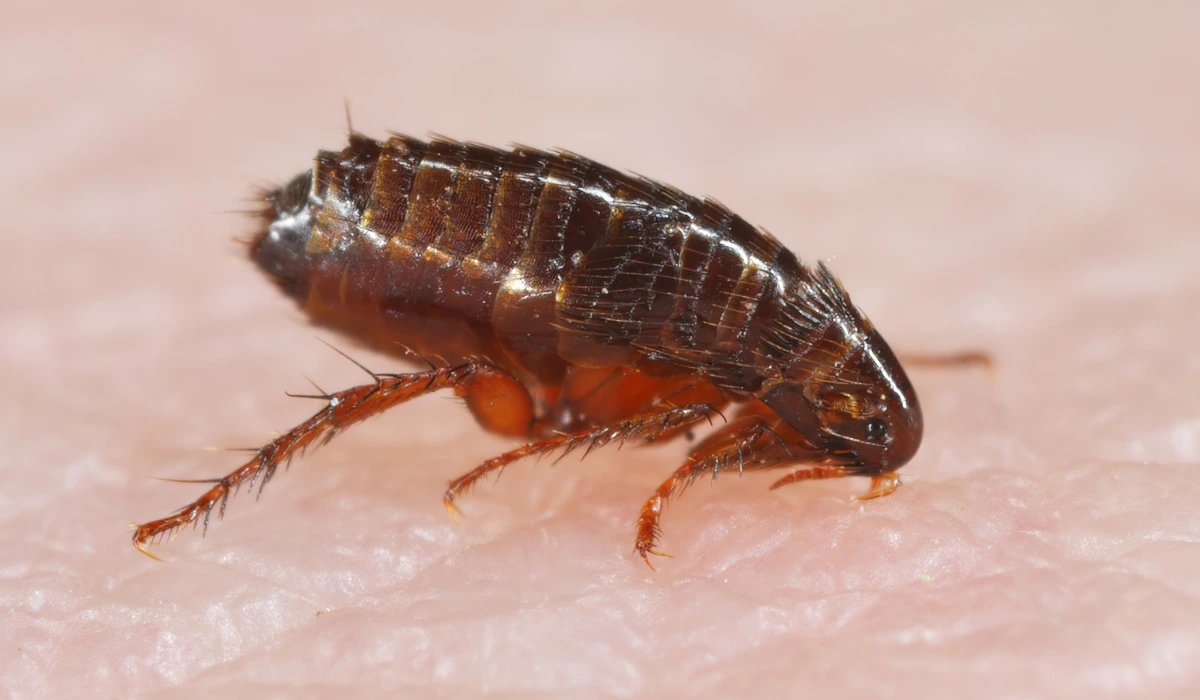
Fleas in Michigan can remain active inside a heated home during winter, and you can have an infestation even without a dog or cat. Fleas may be associated with pets, rodents, previous occupants, or belongings brought in from another property, while eggs, larvae, and pupae stay hidden in carpeting, furniture, bedding, and cracks. To get control of the problem, you need to identify how fleas are getting into the home, address the areas where immature stages are developing, and pair home treatment with veterinarian-recommended flea care when pets are present.
Can Fleas in Michigan Survive the Winter?
Fleas in Michigan face very different conditions outdoors and indoors during winter. Freezing weather changes outdoor activity, but it does not reach an infestation that is already established inside a heated house. Fleas associated with dogs or cats can continue to have access to a host, while immature stages may remain in protected indoor areas.
The Companion Animal Parasite Council’s flea guidelines recommend year-round flea control for pets. For Michigan pet owners, winter is not a reason to stop the flea-prevention plan recommended by a veterinarian.
If you find fleas in January or February, do not assume they recently came in from a snow-covered yard. The source may already be indoors. Carpeting, pet-resting areas, furniture, cracks, and other sheltered locations should be considered when tracking down ongoing flea activity.
Why Do I Have Fleas If I Do Not Have Pets?
Fleas without pets are not as unusual as they may seem. Dogs and cats are common hosts, but flea problems can also be associated with rodents, belongings from another property, or homes where previous residents kept pets.
A previous dog or cat may have left eggs or other immature stages in carpeting, cracks, or furniture before moving out. Fleas can also be carried into a home with furniture or clothing from an affected environment. Because several stages of the flea life cycle develop away from the adult host, the animal responsible for introducing them may no longer be present when adults begin showing up.
Rodent activity is another clue worth checking. Droppings, scratching sounds, nesting material, or other signs of a mouse infestation in Kalamazoo homes can indicate that mice are using garages, wall voids, storage areas, or other protected parts of the structure. In a pet-free home with fleas, that activity deserves attention rather than treating the flea problem in isolation.
How Do Fleas Get Into Michigan Homes?
Pets are a common route for fleas into Michigan homes. A dog or cat can encounter adult fleas where other host animals are present and carry them indoors. Once that happens, flea eggs and later stages can develop in the areas where the pet spends time.
Rodents and wildlife can also bring animal activity close to the structure. Areas beneath decks, along fence lines, around bushes, near garages, and close to crawl spaces can provide sheltered resting locations. Frequent squirrel activity around Michigan homes is worth noting during an inspection, particularly when animals are using areas close to the house. Wildlife activity alone does not prove where the fleas came from, but it can help explain ongoing pressure around the property.
Belongings can be another source. Furniture, rugs, bedding, or other items moved from an affected property may carry flea stages indoors. If flea activity seems sudden, think about what changed shortly before you noticed it, including a move, secondhand furniture, visiting animals, or new rodent activity.
Where Do Flea Eggs, Larvae, and Pupae Hide?
The flea life cycle has four stages: egg, larva, pupa, and adult. Homeowners usually notice the adults because they move and bite, but much of an infestation can be developing elsewhere in the home. Flea eggs, larvae, and pupae may be present in carpeting, cracks, pet-resting areas, furniture, and other protected locations.
| Flea Stage | Common Area of Concern | Why It Matters |
| Egg | Carpeting, furniture, pet-resting areas, and nearby flooring | Eggs can remain in the environment instead of staying on the pet |
| Larva | Carpet fibers, cracks, and sheltered areas | Larvae develop away from the host and are easy to overlook |
| Pupa | Protected areas in carpets and cracks | Pupae may remain hidden while homeowners focus on adult fleas |
| Adult | On hosts or moving through infested areas | Adults are the stage you are most likely to see or feel biting |
Why Pet-Resting Areas Need Attention
A dog or cat may return to the same bed, rug, couch, or corner every day. Those locations can become concentrated flea areas because eggs and later stages develop in the environment surrounding the host.
Check more than the center of the carpet. Flooring edges, spaces beneath furniture, upholstered furniture, pet bedding, and cracks near resting areas can all be relevant during inspection and treatment.
Why Fleas Can Seem to Come Back
Seeing new adult fleas after cleaning does not always mean a new infestation started. Immature stages that were already present can continue developing in protected areas, which is why activity may appear to return after the adults initially become less noticeable.
Cleaning pet bedding, vacuuming the areas identified during service, and following the preparation and aftercare instructions for your treatment help address those hidden stages. Flea control takes consistency because the life cycle is spread across the animal and its surroundings.
Are Fleas a Health Concern for People?
Fleas are parasites that feed on blood, and they can bite both animals and people. The Centers for Disease Control and Prevention’s information on fleas notes that fleas can bite humans and animals and can spread disease-causing agents in some situations.
In the home, repeated bites, a pet that is scratching, or live fleas near carpeting and pet-resting areas can point to a flea problem. Bites alone are not enough to identify the pest, since other insects can cause similar skin reactions.
If you are unsure what is biting you, identification should come before treatment. Confirming whether fleas are actually present helps avoid treating the wrong pest or overlooking another source.
How Do You Break the Flea Life Cycle?
Getting rid of fleas requires attention to both the animal host and the surrounding environment. Adult fleas may be feeding on a pet while eggs, larvae, and pupae are developing in carpeting, furniture, bedding, or cracks nearby.
Treat Pets With Veterinarian-Recommended Flea Care
If you have dogs or cats, talk with your veterinarian about flea control that is appropriate for your pet. Pest Pros recommends coordinating veterinarian-recommended pet treatment with service to the home so both sides of the infestation are addressed at the same time.
Treating the property while leaving a pet untreated can allow flea activity to continue. The reverse is also true: treating the pet does not remove immature flea stages already developing in the home.
Clean the Areas Where Fleas Develop
Focus cleaning on the places where pets rest and where flea stages may be sheltered. Carpets, rugs, pet bedding, upholstered furniture, flooring edges, cracks, and spaces beneath furniture deserve more attention than open areas with little pet activity.
Vacuuming and laundering can support a flea-control program. Follow the preparation and aftercare directions your technician provides for your specific service so your cleaning routine works with the treatment being used.
Address Rodent Activity at the Same Time
A flea problem in a pet-free home deserves a closer look at rodents. If mice or rats are using the building, controlling fleas without dealing with the animal source may leave part of the problem unresolved.
Rodent prevention often includes identifying and closing exterior gaps. Sealing entry points against rodents in Michigan can involve openings around doors, utility penetrations, vents, pipes, foundations, and other parts of the structure that allow rodents into protected spaces.
Should the Yard Be Part of Flea Control?
Outdoor flea control is not automatically necessary every time fleas are found indoors. It becomes more relevant when pets, rodents, or wildlife regularly use shaded, protected areas around the property.
Areas under decks, along fence lines, near bushes, and other spots where animals rest can contribute to outdoor flea activity. If your dog spends time in those locations or wildlife repeatedly uses them, the yard may be contributing to flea pressure near the house.
Inspection should determine whether exterior treatment belongs in the plan. A home with an indoor-only cat and no animal activity outside presents a different situation from a property where dogs and wildlife regularly use the yard.
Why Am I Still Seeing Fleas After Treatment?
Fleas may still appear after an initial treatment because immature stages were already present in the environment. Eggs and pupae do not disappear simply because fewer adult fleas are visible after service.
Keep following the pet-care, cleaning, and follow-up instructions provided for your treatment. A new sighting by itself does not establish that service failed, especially while immature flea stages are still developing.
Persistent heavy activity is different. If fleas continue appearing throughout the home, spread into new areas, or remain active without a clear decrease, another inspection can help determine whether an untreated pet, rodent activity, outdoor pressure, or a missed indoor harborage is involved.
When Should You Call a Michigan Flea Control Professional?
Professional flea control is worth considering when fleas keep appearing despite appropriate pet care and cleaning, several parts of the home are affected, or you cannot identify where the problem started. A pet-free infestation is another good reason for a closer inspection because rodents, previous occupants, furnishings, or other animal activity may be involved.
A flea inspection should confirm the pest before treatment and identify where activity is concentrated. Pet-resting areas, carpets, furniture, flooring edges, rodent evidence, and sheltered outdoor locations can all help determine what is sustaining the infestation.
From there, the treatment plan should match the source. A flea problem centered around a pet’s resting areas calls for a different emphasis than one tied to rodents in the structure or repeated animal activity outside.
Keep Fleas From Getting Established in Your Michigan Home
Preventing another flea problem starts with the source that caused the first one. Keep pets on the flea-control plan recommended by your veterinarian, clean the areas where pets regularly rest, and pay attention to rodent or wildlife activity around the structure.
If you bring used rugs, upholstered furniture, or other soft furnishings into the home, inspect them before moving them into living areas. Pet-free homeowners should also take unexplained flea activity seriously, since the absence of a dog or cat does not eliminate rodents, previous occupants, or transported belongings as possible sources.
If fleas keep returning in your Kalamazoo, Grand Rapids, or Southwest Michigan home, Pest Pros of Michigan can inspect the property and determine which indoor or outdoor areas are contributing to the problem. Contact Pest Pros of Michigan to request service and get a flea-control plan based on what is happening in your home.

 Serving Michigan since 2018
 Pest-free guarantee
 Small, local business