As nighttime temperatures drop across Kalamazoo, Grand Rapids, and the rest of Southwest Michigan, field mice often begin searching for protected places with food, shelter, and nesting material. Garages, basements, crawl spaces, attics, and wall voids can meet those needs when small gaps around doors, siding, foundations, or utility lines remain open.
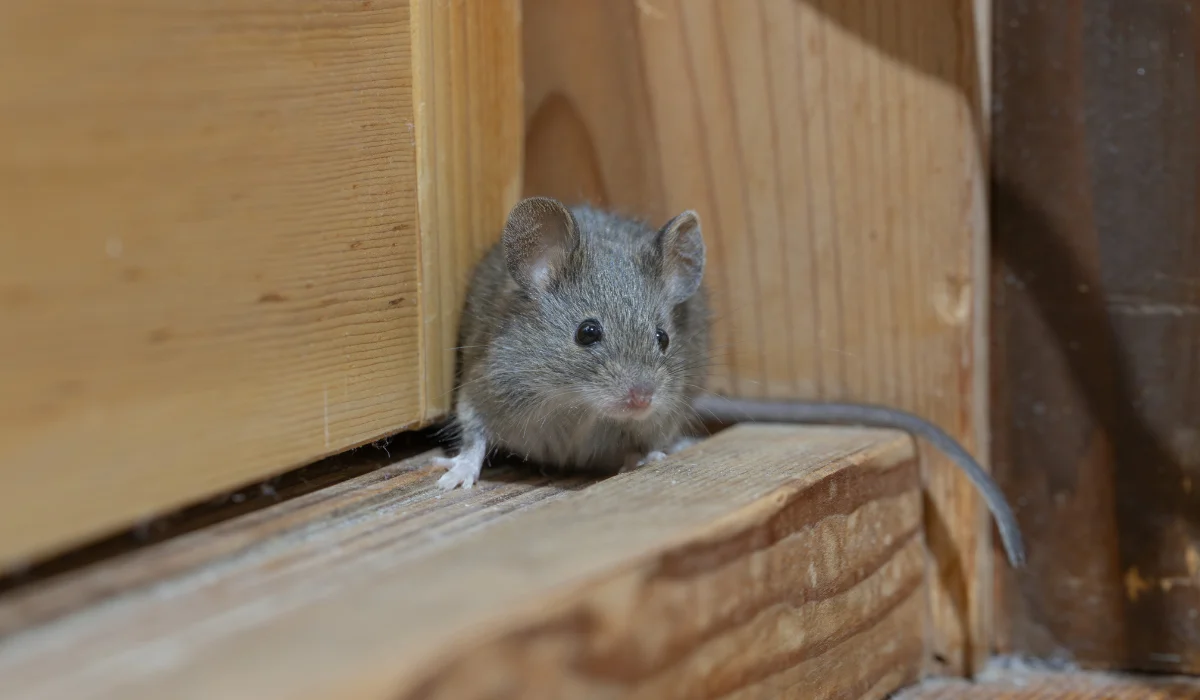
Homeowners often use the term field mice to describe several small mice found around yards, fields, wooded edges, sheds, and outbuildings. Once they move indoors, the animal may be a house mouse, deer mouse, or white-footed mouse. The exact species can be difficult to identify without a close look, but the first response is the same: find fresh signs, inspect likely entry points, remove food and nesting material, and act before the activity spreads.
Cold weather can increase movement toward buildings, but temperature alone does not create an indoor mouse problem. Mice still need access and a reason to stay. The condition of your home, garage, storage areas, and food supplies often determines whether they settle in for the winter.
Why Field Mice Move Indoors in Michigan
Field mice in Michigan may spend warmer months around vegetation, wooded property edges, sheds, gardens, and outbuildings that provide cover. As nights turn colder, nearby homes offer steadier shelter and easier access to food. Quiet spaces such as garages, crawl spaces, attics, and basements can be especially attractive because they are rarely disturbed.
A mouse does not need to reach the main living area to benefit from being indoors. Protection from wind, rain, predators, and rapid temperature changes may be enough. Cardboard boxes, stored fabric, paper, insulation, and clutter can also provide nesting material and concealed travel routes.
The building itself still determines whether outdoor activity becomes an indoor problem. A worn garage door seal, a gap around an exterior pipe, or an opening where siding meets the foundation can provide a direct route inside. That is why fall mouse prevention should focus on the structure as much as the season.
Homes near fields, wooded lots, dense landscaping, or overgrown property edges may have more mouse activity near the foundation. Even so, any home can develop a problem when food, shelter, and an entry point line up.
Signs Field Mice May Be Inside Your Home
The first sign of field mice in the house is often not a live mouse. Small droppings may appear beneath the kitchen sink, behind appliances, inside lower cabinets, or along basement walls. Gnaw marks on food packaging, wood, cardboard, or stored materials can also point to activity.
Scratching in walls or ceilings may signal movement through wall voids, attic edges, or utility routes. These sounds are often easier to notice at night when the home is quiet. Dark rub marks along baseboards or walls may appear where mice repeatedly follow the same protected path.
Shredded paper, insulation, fabric, or cardboard can indicate nesting activity. Check quiet areas such as storage rooms, attic corners, garage shelving, crawl spaces, and boxes that have not been opened recently. Damaged pantry packaging and scattered food are other signs that mice have found a dependable food source.
The table below can help you connect the sign you find with the next area to inspect.
| Sign | Where to Inspect Next |
|---|---|
| Droppings beneath a sink | Plumbing openings, cabinet corners, and nearby wall edges |
| Scratching near a ceiling | Attic edges, soffits, wall voids, and utility routes |
| Damaged pantry packaging | Shelving edges, baseboards, and nearby food storage |
| Rub marks along a wall | Repeated travel routes and protected edges |
| Shredded paper or insulation | Quiet nesting areas in storage rooms, attics, or basements |
Pest Pros of Michigan looks for droppings, gnaw marks, scratching sounds, rub marks, nesting material, and repeated travel routes during a rodent inspection. These clues help determine where mice are active and where traps or repairs are most likely to help.
Fresh Activity Versus Old Evidence
Not every dropping or damaged box proves mice are active right now. Old signs can remain long after mice have moved to another part of the home. Fresh droppings, new gnaw marks, repeated noises, recently disturbed food, or activity at a trap provide better evidence of a current route.
When you find signs, note the date and location. Clean the area safely, remove damaged materials, and check it again later. This makes it easier to tell whether the activity is ongoing, improving, or spreading.
Where Mice Get Into Michigan Homes
Mouse entry points are often small and easy to overlook. Common problem areas include the lower corners of garage doors, gaps beneath exterior doors, openings around pipes, foundation cracks, utility penetrations, loose siding, vents, soffits, and crawl-space access doors.
The University of California Integrated Pest Management guidance for house mice recommends combining inspection, sanitation, trapping, and exclusion. That approach matters because the room where you notice a mouse may be far from the place it entered.
A mouse may come through the garage, travel behind stored boxes, follow a basement wall, and move upward through a wall void. Another may enter around a utility line and appear near the pantry because food is available there. Inspecting only the room where activity appears can leave the original opening untouched.
Mice may use openings about one-quarter inch wide. Pay close attention to gaps that seem too small to matter, especially around door frames, garage seals, vents, siding transitions, and service lines. Exterior inspection is easier when leaves, clutter, and stored materials are moved away from the foundation.
Are Field Mice Different From House Mice?
The phrase field mice is useful in everyday conversation, but it does not identify one exact species. Michigan homeowners may encounter house mice, deer mice, or white-footed mice around homes and outbuildings. These mice differ in appearance and habitat, but all can enter structures when they find shelter and access.
House Mice
House mice are closely associated with buildings and can live indoors throughout the year. They often establish themselves near food, water, nesting material, and hidden travel routes. Kitchens, pantries, basements, utility rooms, and wall voids can all support activity.
Their close connection to structures makes sanitation and exclusion especially important. Traps can remove mice that are already inside, but open food, clutter, and accessible gaps can keep the problem going.
Deer Mice and White-Footed Mice
Deer mice and white-footed mice are more closely associated with outdoor areas such as fields, wooded edges, sheds, and outbuildings. They may still enter garages, cabins, attics, crawl spaces, and homes when they find suitable shelter.
Species identification from one sign alone is difficult. Droppings, scratching sounds, or damaged packaging can confirm rodent activity, but they may not reveal which mouse is present. When markings are unclear or activity appears in several parts of the building, a professional inspection can help guide the control plan.
How to Keep Field Mice Out as Nights Get Colder
Keeping field mice out requires more than placing a few traps. The strongest approach combines structural repairs, food control, clutter reduction, and regular inspection.
Seal Structural Openings
Start with doors, foundations, utility lines, vents, soffits, siding, and crawl-space access points. Replace worn door sweeps and garage seals, repair damaged screens, and close gaps around pipes or cables with durable materials suited to the opening.
Do not depend on loose filler alone in areas mice can reach. A repair should stay secure through changing weather and normal building movement. Recheck repaired areas after severe weather or exterior maintenance.
Reduce Food and Nesting Material
Store pet food, birdseed, pantry goods, and livestock feed in sturdy containers with secure lids. Clean crumbs from beneath appliances and avoid leaving pet food out overnight. Trash and recycling should remain closed, especially in garages and utility rooms.
Cardboard boxes, paper bags, fabric, and seasonal decorations can provide cover and nesting material. Use sealed storage containers where practical, and keep shelves organized so you can inspect behind and beneath stored items.
Inspect Garages, Basements, and Attics
These areas often show early signs because they are quiet and contain stored materials. In garages, inspect the lower door corners, wall edges, shelving, and areas around seed or pet food. In basements, check foundation walls, sill plates, plumbing lines, and utility penetrations.
Attics require extra care. Follow joists and wall edges, and check around pipes, wiring, and vents. Do not step between framing members or reach into areas you cannot see clearly. Activity inside insulation or wall voids is a good reason to call a professional.
Use Traps as Part of a Larger Plan
Traps work best when they are placed along active routes instead of in open areas. The University of Kentucky guide to controlling house mice recommends using multiple traps along travel paths rather than relying on one device.
Trap placement should follow fresh evidence, and catches should be monitored over time. Trapping can reduce indoor activity, but it does not close entry points or remove the conditions that attracted mice in the first place.
What to Do When Mice Are Already Inside
Begin by documenting where you find droppings, damage, sounds, or nesting material. Protect food, reduce clutter, and place traps along walls or other active routes. Then inspect the exterior for openings that may connect with those indoor areas.
Do not treat one captured mouse as proof that the problem is over. Continue monitoring nearby rooms, storage areas, and likely entry points. Repeated catches, activity in several rooms, or sounds in walls and ceilings often point to a wider issue.
The U.S. Environmental Protection Agency’s integrated pest management principles support combining monitoring, prevention, and targeted control. For mice, that means pairing traps with food control, sanitation, exclusion, and follow-up.
Pest Pros of Michigan begins with an inspection for entry points, nesting areas, and rodent signs. Technicians may place interior snap traps, install exterior bait stations where appropriate, and recommend exclusion repairs. A follow-up visit is typically scheduled within one week to check progress and adjust the plan.
After exclusion work, traps may remain in place for another one to two weeks. That monitoring period helps confirm whether mice are still inside after exterior openings have been sealed.
Keeping Michigan Field Mice From Becoming Winter Guests
Field mice may move closer to Michigan homes as nights cool, but they still need access, shelter, food, and nesting material to remain indoors. Fresh signs can help you trace their routes, while a careful exterior inspection can reveal where the problem began.
The most effective response combines trapping, food control, clutter reduction, structural repairs, and continued monitoring. When activity reaches walls, attics, crawl spaces, or several rooms, Pest Pros of Michigan can inspect the property, identify active areas, place traps, monitor results, and recommend exclusion work for homes in Kalamazoo, Grand Rapids, and nearby communities.
To get help with a current mouse problem or prepare your home before colder weather sets in, contact Pest Pros of Michigan to schedule an inspection.

 Serving Michigan since 2018
 Pest-free guarantee
 Small, local business