Bee activity in walls can cause costly problems when early signs are missed. Learn how to tell if bees are in walls, the signs, risks, and when to call Pest Pros of Michigan.
Key Takeaways
- Bees can build colonies inside hollow walls, and confirming the type of insect is an important first step before deciding how to respond.
- A bee colony inside a wall may become a recurring concern if left unaddressed, so early inspection helps you understand your options.
- Depending on the situation, a beekeeper or a pest control company may be the right resource for removal.
- Pest Pros of Michigan offers a free site evaluation to identify the pest and recommend next steps for your home.
How to Identify Bees in Walls
Figuring out whether bees have built a nest inside your walls starts with knowing what you are looking at and what clues to watch for. Bees and wasps are largely beneficial insects that play important roles in pollinating wildflowers and fruit crops, so accurate identification matters before any next step is taken. Below are the details that help you confirm wall-nesting activity.
How To Tell Bee Types Apart in Walls
Honey bees are among the most common species found nesting inside wall cavities. They are hairy-bodied pollinators, while wasps and hornets are smooth-bodied predators that feed on other insects. Bees sting once and die, whereas wasps and hornets can sting multiple times. Knowing this difference helps you describe the insect accurately to a pest professional.
If you think you have a honey bee nest inside, capture a bee or take a clear picture and have it identified to verify the actual insect you have, as the University of Minnesota Extension recommends. Carpenter bees are large, bumblebee-like insects with a shiny, hairless black abdomen, ranging from 1/2 to 1 inch long. They bore into wood rather than nesting in wall cavities, so the approach for each species differs.
How to Spot Bee Activity Inside Your Walls
One of the clearest clues is sound. Inside, the low humming sound of the bees ventilating their nest often can be heard through the drywall. Place your ear against the wall in the area where you notice bee traffic outdoors. A steady, vibrating hum points toward an active colony behind the surface.
You may also notice bees appearing inside living spaces. Stray workers that find gaps around light fixtures or outlets can end up indoors, which suggests a nest is nearby within the wall void.
Where Bee Activity Shows Up Around Homes
Honey bees may nest in all sorts of cavities, including inside walls of houses, in or around chimneys, in soffits, or under decks, according to UC IPM. They also use outbuildings, fences, shrubs, water meters, utility boxes, and barbecue grills as nesting sites. Watch for steady streams of bees flying to and from a fixed point on the structure.
The old queen and about half of the worker bees leave their former nest and seek a new home, usually in the spring but sometimes at other times of the year when local conditions permit. A sudden cluster of bees on your exterior wall may be a swarm scouting for a cavity to move into.
Exterior Entry Points Bees Use Around Homes
Bees enter wall voids through small gaps in the structure. Common entry points include cracks where siding meets trim, openings around chimneys, gaps in soffits, and spaces under decks. Even a gap of a fraction of an inch can allow worker bees to pass through.
Regularly inspect and seal gaps in walls, eaves, and attics to reduce the chance of a colony establishing a nest inside your home. Watching the exterior during daylight hours and noting where bees consistently enter and exit helps pinpoint the nest location within the wall.
Why Bee Problems Develop in Walls
Bees can move into wall voids quietly, and by the time you notice activity, a colony may already be building comb inside the structure. Understanding what draws bees to walls and how colonies settle in can help you spot the signs sooner.
Outdoor Nesting Areas for Bees
Honey bee colonies look for sheltered cavities that offer protection from weather and predators. Wall voids in homes can mimic the enclosed spaces bees seek for nesting. Social bees and wasps will defend these colonies once established, which is why undisturbed wall cavities become attractive long-term nesting sites.
Food and Shelter That Attract Bees
According to UC IPM, when bees first arrive at a new nesting site, they are short on food and must build combs from wax they produce using the honey they carry with them. This means a colony can begin constructing comb inside your wall shortly after moving in, even without a nearby food source. Once comb is established, the colony grows and becomes harder to address.
How Bees Move Around Homes
A swarm of honey bees may land on a wall exterior before scouts locate an opening into the wall void. Once inside, the colony begins producing wax and building comb. Locating the nest often requires tapping the wall and listening for the hum of the colony, a technique beekeepers use to pinpoint where bees have settled.
If the insects are confirmed to be honey bees, consider contacting a beekeeper for help with removal. An experienced beekeeper may be willing to gather a swarm and relocate it for you. Beekeepers available for swarm calls and extractions tend to put their names on lists of local bee clubs they belong to, so searching for “beekeeper,” “beekeeping,” or “bee removal” can help you find one nearby.
Trails and Entry Points Bees Use
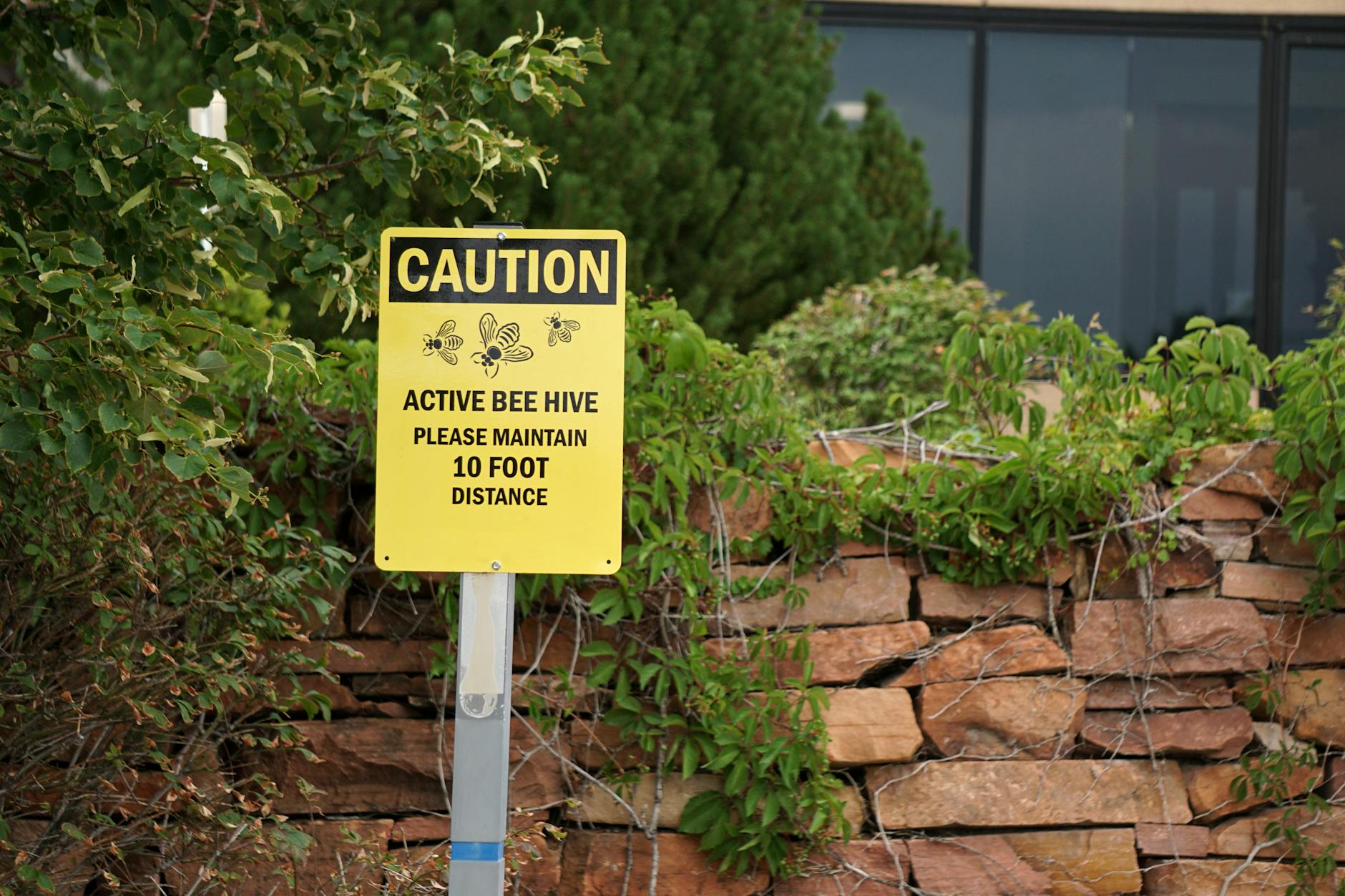
Bees flying in a steady path toward a gap in your wall is one of the clearest signs of an active colony inside. Social bees sting to defend their colony, so approaching these areas without proper protection is risky. Pest Pros of Michigan technicians wear bee suits during evaluations for this reason.
Watching for consistent bee traffic around gaps in your home’s exterior is a practical first step. If you hear humming behind drywall or notice bees entering and exiting the same spot repeatedly, a colony may already be established inside the wall.
Risks From Bees in Walls
Health Risks Linked to Bees
Honey bees that build colonies inside hollow walls, chimneys, and attics may annoy residents and can at times sting the people living nearby. Unlike other social bee and wasp colonies, according to Purdue Extension, honey bee colonies in structures may be a perennial problem, meaning the risk of stings can persist from one year to the next rather than ending when cold weather arrives.
That ongoing presence means anyone who enters the area near the nest repeatedly faces the possibility of being stung. If you notice bees entering and exiting a gap in your wall, keep household members and pets away from the area until the situation is assessed by a professional.
Property Damage From Bees in Walls
A hidden honey bee colony stores wax comb and honey inside the wall cavity. Over time, wax combs may melt and allow stored honey to seep through walls and ruin interior finishes. This kind of damage can affect drywall, paint, and other surfaces that are difficult and costly to repair.
Once a colony is abandoned or removed, the leftover honeycomb creates a secondary concern. According to Purdue Extension, abandoned honeycombs can become infested with scavenger insects or may attract rodent pests, which may enter the home and cause additional annoyance. The original bee problem can therefore invite new pests into the structure.
Carpenter bees present a different type of property risk. These pests bore tunnels into untreated wood to lay eggs. Cedar boards are particularly susceptible to extensive damage from carpenter bees, so homes with exposed cedar trim or siding deserve close inspection for round entry holes and sawdust below.
Food Areas and Bee Activity in Walls
Melting honeycomb and seeping honey can attract scavenger pests well beyond the original nest site. When honey drips into interior wall spaces near kitchens or pantries, those secondary pests may move toward food preparation and storage areas. Keeping an eye on sticky residue or unusual staining on interior walls can help you spot a developing issue early.
When to Look Closer at Bee Activity in Walls
Because honey bee colonies in walls can persist year after year, waiting to see if the problem resolves on its own is rarely a good strategy. If you hear buzzing inside a wall, see bees entering a gap, or notice honey staining on a ceiling or wall surface, those are signs worth investigating promptly. The longer a colony remains, the larger the comb grows and the greater the chance of interior damage or secondary pests moving in.
Professional Pest Control for Bees in Walls
When you suspect bees have moved into your walls, deciding the right next step matters. A beekeeper may be willing to collect a swarm at no cost, but according to UC IPM, it generally is not worthwhile for them to remove an established colony without charge. In some areas, a structural pest control company may be your only option for dealing with bees inside wall voids.
How to Reduce Attractants in Walls
Regularly inspect and seal gaps in your walls, eaves, and attic areas. Closing off small openings before bees discover them is one of the most practical steps you can take.
Keep in mind that bees nesting inside walls are different from a temporary swarm resting on an exterior surface. Established colonies within a wall void typically require professional attention rather than a wait-and-see approach.
Why Bee Control Starts With Inspection
If you notice bees entering and exiting through a crack or gap in your siding, an inspection helps confirm what you are dealing with.
Proper identification matters because the approach for honey bees differs from the approach for yellowjackets or carpenter bees. Pest Pros of Michigan does not typically treat honey bees unless they pose a threat to human safety, and the company has a protocol in place for honey bee nest removal if necessary.
What to Expect During Professional Bee Treatment
If a beekeeper is not available or the colony is established inside your walls, a pest control company with bee removal experience is the appropriate next step. As UC IPM notes, calling a pest control company experienced with bee removal is recommended when a beekeeper cannot help.
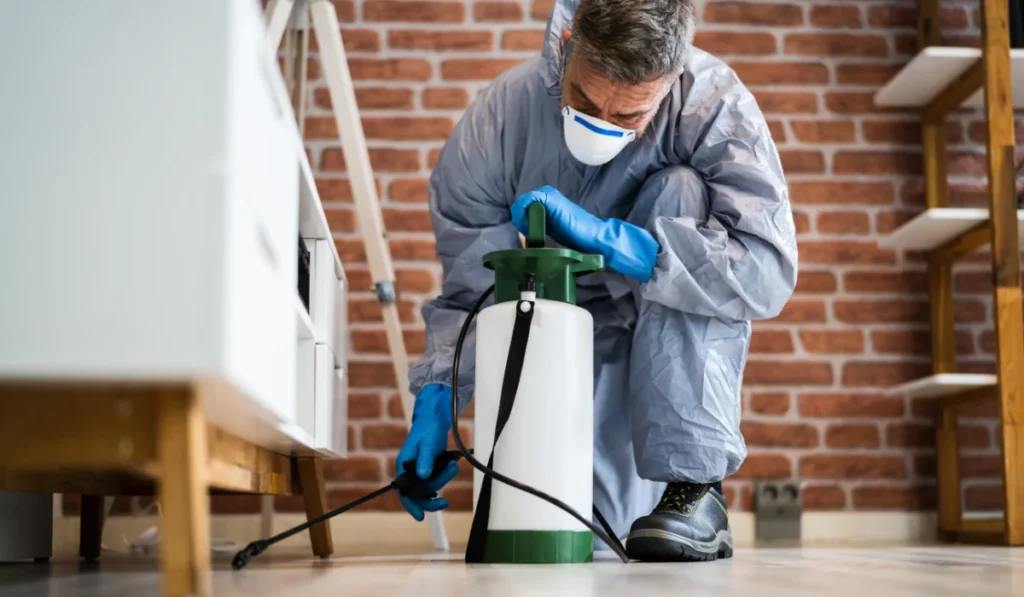
Pest control companies generally will kill the bees before removing them. Certain treatments are only available to licensed pest control professionals, and some of these products may be toxic to honey bees and other beneficial insects. For nests inside walls, treatment may involve drilling or opening sections of drywall for removal.
If nest removal is declined after treatment, the homeowner is responsible for any future issues caused by decaying material left inside the wall. Pest Pros of Michigan technicians wear bee suits for protection during service.
What to Expect From a Bee Control Plan
Pest Pros of Michigan’s one-time treatment for stinging insects includes a three-month warranty for treated areas. After the initial service, sealing the entry points around your walls helps reduce the chance of future colonies establishing in the same location.
Main issues the team handles are normally yellowjackets in ground nests, wall void nests, or around foliage near the home. For carpenter bees, treatment involves applying product directly into burrow holes, followed by plugging those holes to prevent re-entry. Painting or sealing exposed wood is the best preventative measure for carpenter bee activity.
How To Tell If Bees Are in Walls: Bottom Line
Figuring out whether bees have moved into your walls comes down to careful observation. Steady insect traffic around a gap or opening, buzzing sounds from inside a wall, and dark staining on interior surfaces are the main signs worth watching for. Before taking action, confirm what you are dealing with, because bees, wasps, and carpenter bees each call for a different approach. Honey bees are pollinators that Pest Pros of Michigan does not typically treat unless they pose a threat to human safety.
If you notice any of these warning signs, reach out to Pest Pros of Michigan for a free site evaluation so the right next step can be identified for your situation.
Frequently Asked Questions
Can I Handle a Bee Problem in My Walls on My Own?
DIY removal of an established colony inside a wall is not recommended. Opening a wall without proper knowledge can expose you to stings and may cause further damage. A pest professional or beekeeper can assess the situation and determine the safest course of action.
Should I Call a Beekeeper or a Pest Control Company?
However, removing an established colony from inside a wall is more involved, and in some cases, your best option will be a pest control company with bee removal experience.
What Happens If a Nest Inside a Wall Goes Untreated?
A colony left inside a wall can persist year after year. Decaying comb and honey may attract other pests over time. If treatment is performed but nest material is not removed, the homeowner is responsible for any future structural issues caused by that remaining material.
How Can I Prevent Bees From Nesting in My Walls?
Painting or sealing exposed wood can also discourage carpenter bees from boring into the surface.

 Serving Michigan since 2018
 Pest-free guarantee
 Small, local business
 10+ years of pest control experience
 President and CEO of Pest Pros of Michigan
 Resident of Michigan