Early signs of bed bug infestation can cause costly problems. Learn the signs, risks, and when to call Pest Pros of Michigan.
Key Takeaways
- Bed bugs can leave visible clues near sleeping areas, including small dark spots on bedding and shed skins, so knowing what to look for helps you catch a problem sooner.
- Not everyone reacts to bed bug bites, which means an infestation may go unnoticed without a careful visual inspection of your mattress, furniture, and nearby items.
- Good sanitation and decluttering around sleeping areas are practical first steps for limiting bed bug activity in your home.
- Professional treatment from Pest Pros of Michigan follows a multi-step process, with a follow-up visit scheduled within 28 to 31 days to assess progress.
How to Identify Early Signs Of Bed Bug Infestation
Catching a bed bug problem early starts with knowing what to look for. According to UC IPM, you can confirm an infestation only by finding the bugs themselves or their characteristic signs: fecal spots, blood spots, egg cases, and shed skins. Recognizing these clues before numbers grow gives you a clearer picture of what you are dealing with.
How to Tell Bed Bug Species Apart
Bed bug evidence comes in several forms, and each one looks different. Fecal spots are tiny dark marks, often clustered together on fabric or hard surfaces. Blood spots appear as small reddish smears, typically on sheets or pillowcases. Egg cases are pale, oval, and very small, while shed skins are translucent husks left behind as nymphs grow. Spotting the bugs themselves, whether nymphs or adults, is the most direct confirmation.
How to Spot Bed Bug Activity Inside Your Home
Bed bugs generally feed at night and hide in dark cracks and crevices during the day. However, hungry bugs may feed any time a host is nearby and sedentary. This means signs can appear around beds, sofas, and chairs where people rest for extended periods.
When checking your sleeping area, look closely at mattress seams, headboard joints, and nearby furniture. The client guide from Pest Pros of Michigan notes that most bed bugs are found within a five-foot zone of the sleeping location, so focus your inspection on that radius.
Where Bed Bug Activity Shows Up Around Homes
Within your home, bed bug signs most often appear on and around sleeping locations such as beds, sofas, and chairs. Nightstands, items on the wall like pictures, and belongings stored beneath the bed are commonly overlooked spots. Checking these areas regularly can help you catch activity early.
Exterior Entry Points Bed Bugs Use
Bed bugs do not typically enter from outdoor environments the way many other pests do. Instead, they are hitchhikers. They can arrive on luggage, secondhand furniture, or personal belongings brought into the home. Learning to recognize the signs of their presence is an important first step, and training yourself to spot fecal spots, shed skins, and live bugs helps you catch a problem before it grows.
Why Bed Bug Infestations Develop
Bed bug problems develop because these pests depend solely on blood for food. They stay close to where people sleep, and their presence often goes unnoticed at first. Some people have no reaction to bed bug bites and are not even aware of an infestation, according to Purdue Extension. That delayed detection gives populations time to grow and spread through your home.
Outdoor Nesting Areas for Bed Bugs
Bed bugs are not outdoor pests. They are hitchhikers that travel into Michigan homes on luggage, secondhand furniture, or personal belongings from hotels and public places. Once inside, they settle into cracks and crevices near sleeping areas. There is no outdoor nest to watch for, so vigilance starts indoors, right where you rest each night.
Food and Shelter That Attract Bed Bugs
Bed bugs feed on human blood and usually bite when people are sleeping. Your body heat and exhaled CO2 draw them out from nearby hiding spots. Because they depend solely on blood for food, any occupied bedroom or sleeping area provides what they need. A clean home offers the same appeal as a cluttered one, since bed bugs follow hosts, not mess.
How Bed Bugs Move Around Homes
As the infestation increases in number, bugs may move away from the bed to other furniture. According to Kansas State University Extension, they can hide in cracks and crevices along floorboards, under switch plates and outlets, and even inside electronics such as clocks, televisions, and smoke detectors. This gradual spread is why catching early signs matters.
Trails and Entry Points Bed Bugs Use
Bed bugs hide behind baseboards, inside electric or telephone outlets, beneath furniture, and inside void areas. Caulking and sealing as many of these cracks and crevices as possible can help limit movement. Bed bug traps placed near the bed or other furniture can intercept bugs traveling to and from their hiding spots, helping you detect activity sooner.
In most people, bites cause red welts and itching that can last several days. Large infestations often lead to emotional anguish and sleeplessness, making early awareness your best tool for keeping the problem manageable.
Risks From Early Signs Of Bed Bug Infestation
Catching the early signs of a bed bug infestation matters because even a small population can affect your comfort and your home. Understanding the risks tied to those first warning signs helps you decide how quickly to respond.
Health Risks Linked to Bed Bugs
Bed bug bites may be the first sign of an infestation. According to Purdue Extension, bites usually appear as small welts, similar to mosquito bites, that itch and sometimes swell. Because the bites do not cause immediate itching or pain, your sleep is not disturbed at the time of feeding. That delay means you may not connect the welts to bed bugs right away.
Bed bugs are not known to transmit diseases, but their bites can cause itching and allergic reactions. Scratching bites may lead to secondary infections. The longer bites go unnoticed, the more opportunities bed bugs have to feed repeatedly.
Property Damage From Bed Bugs
Bed bugs leave visible marks on your belongings. According to Purdue Extension, they leave blood stains on sheets and mattresses and defecate after feeding, which produces small dark stains on bedding. These stains can build up over time, affecting mattresses, pillows, and linens in the sleeping area.
In hiding areas you may find bed bugs in various growing stages, from egg to adult, as well as shed skins, fecal spots, and bloodstains. The longer an infestation persists unnoticed, the more widespread these marks become across your mattress, box spring, and headboard.
Food Areas and Bed Bug Activity
Bed bugs feed on human blood, not stored food. However, their feeding habits are worth understanding. According to Kansas State University Extension, bed bugs can consume up to six times their weight in blood, and feeding typically takes between 3 and 10 minutes. They feed at night while people are sleeping, but bites may not be noticed until later. This means the pests can go undetected for days or weeks.
When to Look Closer at Bed Bug Activity
If you notice unexplained welts on your skin or small dark spots on your sheets, it is worth inspecting further. Check mattresses, box springs, and the headboard for bed bugs and fecal or blood spots. Look along seams, folds, and any crevices in the sleeping area.
Multiple signs appearing together, such as shed skins alongside fecal spots and bloodstains, suggest an active infestation rather than an isolated occurrence. Early detection gives you more options before the population grows.
Professional Pest Control for Early Signs Of Bed Bug Infestation
When you spot early signs of a bed bug infestation in your Michigan home, knowing what professional control involves can help you prepare and respond with confidence. The right approach combines prevention, thorough inspection, and a structured treatment plan.
How to Reduce Attractants for Bed Bugs
Bed bugs are hitchhikers that can enter your home from hotels, public places, secondhand furniture, or visitors. They do not indicate a dirty home. Before bringing used furniture inside, examine every seam, joint, and crevice. When returning from travel, inspect your luggage and clothing.
General decluttering in sleeping areas can reduce hiding spots. Bag up and discard unwanted items into an exterior trash receptacle rather than moving them to another room, which can spread bed bugs to new areas of your home.
Why Bed Bug Control Starts With Inspection
That zone includes beds, sofas, and chairs. Items often overlooked during inspection include pictures on the wall, tapestries, blinds, items stored beneath the bed, and contents on and within nightstands.
A professional inspection evaluates infestation levels and assesses site conditions across that critical five-foot zone. Pest management professionals know which areas to check and can identify activity that homeowners may miss during a self-check.
What to Expect During Professional Bed Bug Treatment
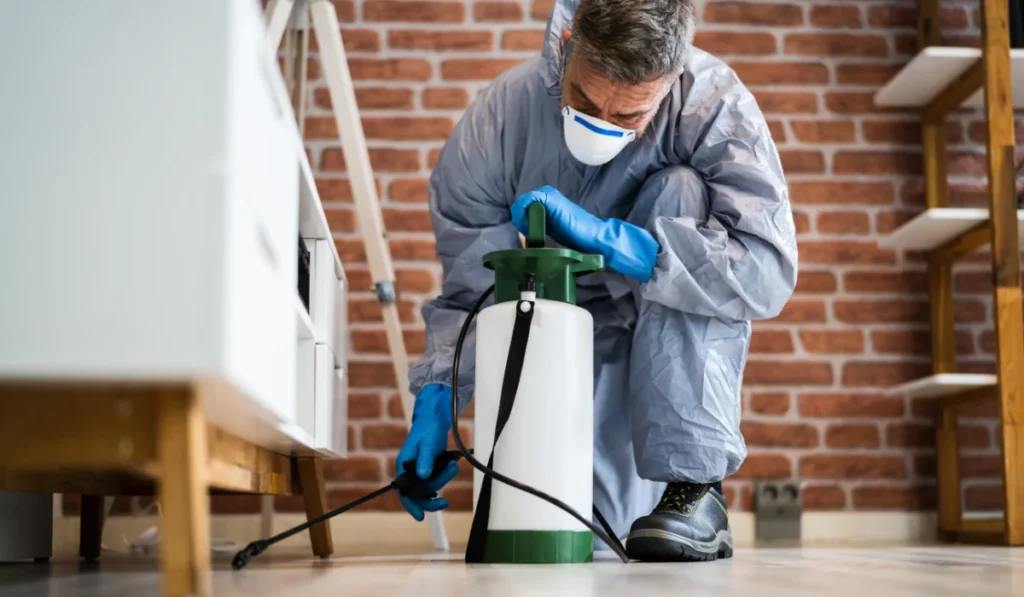
At Pest Pros of Michigan, the process begins with an Initial Flex Service that includes inspection, client education, and evaluation. Before scheduling, you review and agree to a Bed Bug Prep Sheet and Agreement outlining expectations and preparation options.
Soft items like linens, pillows, clothes, and stuffed animals should be bagged, then run through the dryer at high heat for 60 minutes. Hard items such as shoes, books, and electronics are bagged and left in the treatment area for vapor treating over a 21-day period. According to Purdue Extension, mattress and box spring encasements are often necessary as part of a nonchemical approach, permanently sealing bed bugs inside to address those that may have avoided other control measures.
Treatment includes HEPA vacuum removal of live bed bugs, eggs, and debris, followed by application of Aprehend to non-contact surfaces, Sterifab to mattresses, and Cimexa or Alpine Dust in voids or other areas as needed. You should expect to see bed bugs for the first three weeks following treatment.
What to Expect From a Bed Bug Control Plan
After treatment, remake your bed and return to your standard sleeping habits. Your body heat and CO2 encourage remaining bed bugs to move and encounter the treatment materials. Stay out of the treatment area for four hours after service.
A follow-up visit is included with the initial service, scheduled within 28 to 31 days based on technician observations. Full resolution may take up to four to six weeks with proper management and client participation. Services typically start at $800 for a small one-bedroom or efficiency apartment, with $200 for each additional room. Additional follow-ups, if needed, are billed at $200 per service until control is achieved.
Change your clothing before leaving the treated area to help prevent spreading bed bugs. Ongoing vigilance matters because bed bugs can be reintroduced from outside sources even after a successful treatment.
Bottom Line on Early Signs Of Bed Bug Infestation
Catching bed bug activity early gives you the best chance of keeping an infestation manageable. Watch for small dark spots on bedding, shed skins near sleeping areas, and bites that may appear as itchy welts, though not everyone reacts to them. If you notice any of these signs, avoid moving items from room to room and contact Pest Pros of Michigan to schedule an inspection and discuss next steps.
Frequently Asked Questions
How Do I Know If I Have Bed Bugs?
Look for small reddish-brown bugs, shed skins, and tiny black fecal spots on bedding, mattresses, and furniture. Bites often appear in clusters or lines on exposed skin, but not everyone reacts to them. Multiple signs found together in the same area can help confirm activity.
Can I Get Rid of Bed Bugs on My Own?
DIY treatments like sprays and foggers are often not successful and can make the situation worse by driving bed bugs deeper into hiding. Professional treatment using a strategic, multi-step process is the most effective approach, with a follow-up scheduled within 28 to 31 days to confirm progress.
Do I Have to Throw Away My Furniture?
Not necessarily. Most furniture can be treated and saved. Heavily infested items may need to be discarded, but a professional assessment can help determine what is salvageable before you make that decision.
How Can I Prevent Bed Bugs in the Future?
Avoid bringing used furniture into your home without a thorough inspection. When traveling, check hotel bedding and luggage racks before settling in. Bed bugs are hitchhikers that can travel on clothing, luggage, and secondhand items, so ongoing vigilance is important even after a home has been cleared.

 Serving Michigan since 2018
 Pest-free guarantee
 Small, local business
 10+ years of pest control experience
 President and CEO of Pest Pros of Michigan
 Resident of Michigan