Winter poses significant challenges for manufacturing facilities across West Michigan. As temperatures drop, pests move indoors and target large manufacturing buildings for warmth and shelter. Winter pest threats for manufacturers in Grand Rapids, MI, increase quickly when snow and freezing temperatures limit outdoor survival.
Manufacturing plants face risks that homeowners do not. Large square footage, shipping docks, utility lines, and frequent deliveries provide pests with numerous entry points. Once inside, pests spread quickly, disrupting production schedules and compromising facility safety.
Manufacturers in Grand Rapids, MI, must plan to control winter pest threats. Pest control experts providing commercial pest control in Grand Rapids, MI, help manufacturing facilities stay pest-free during Michigan winters and protect operations year-round.
Key Takeaways
- Winter pest threats increase as pests seek warmth and food sources indoors
- Manufacturing facilities face higher risks due to size and constant activity
- Entry points and structural vulnerabilities allow pests inside during winter
- Professional pest control supports year-round protection and prevention
Video: How Long Does It Take For Professional Pest Control To Work? – Insects and Invaders
This video explains how long professional pest control treatments take to show results, depending on the type of insect or invader, treatment method, and infestation severity. It covers what to expect after treatment, typical timelines for improvement, and tips to ensure faster, longer-lasting pest control results.
Why Winter Increases Pest Risks for Manufacturers
Winter pest threats for manufacturers in Grand Rapids, MI, increase as colder weather pushes pests indoors. Snow cover and frozen ground reduce outdoor food sources, driving rodents and insects into heated buildings.
Manufacturing facilities in Michigan often provide ideal winter shelter for pests. Warm mechanical rooms, storage areas, and production floors create protected spaces. Once pests find steady food sources, infestations grow quickly without fast action.
Weather shifts also raise risk. Warmer days followed by sudden cold snaps increase pest movement. These changes drive pests indoors through cracks, utility openings, and active loading docks.
Common Winter Pest Threats in Manufacturing Facilities
Common winter pest threats for manufacturers in Grand Rapids, MI, include rodents, insects, and overwintering pests. These pests use indoor conditions to survive winter and build hidden nests.
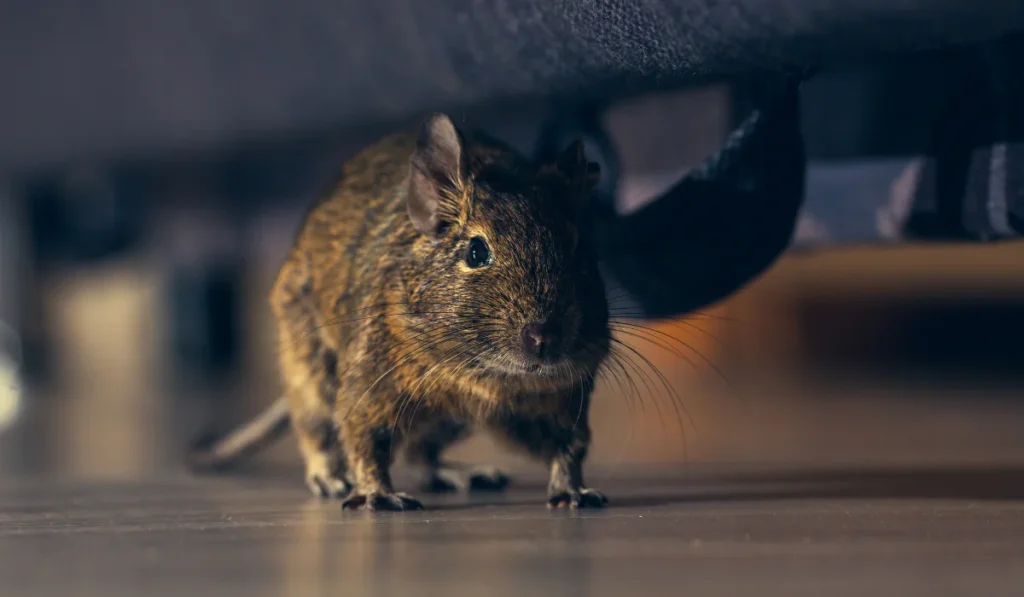
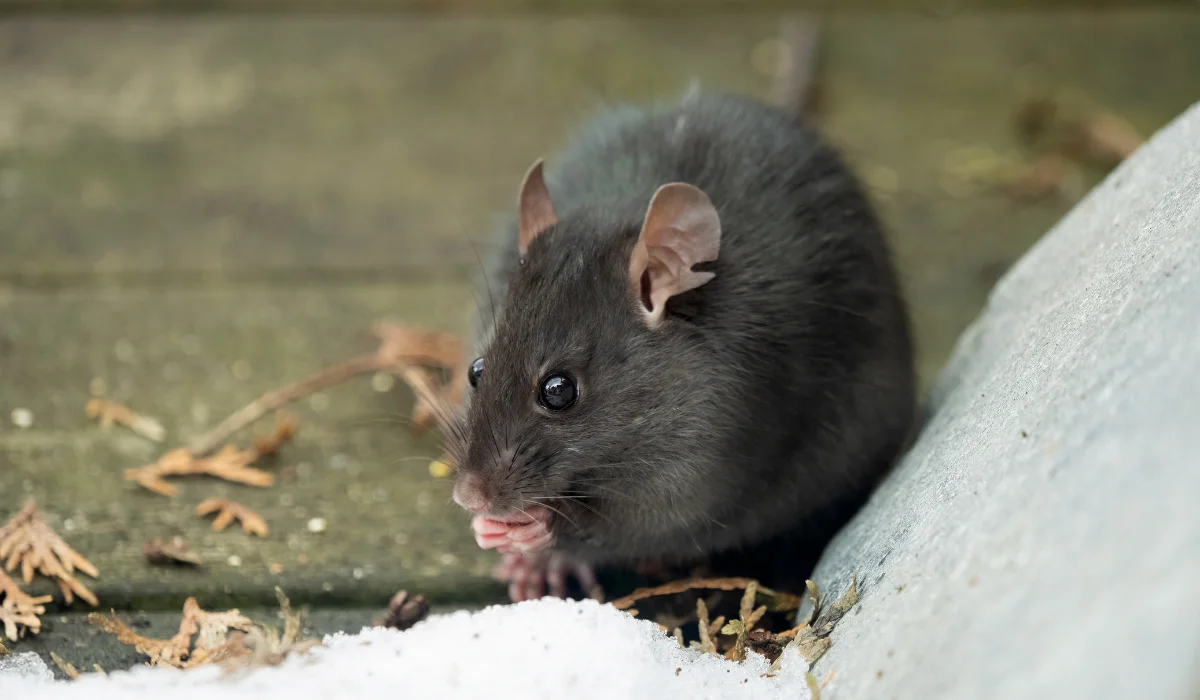
Rodents remain a major concern. Mice and rats leave droppings near food sources and equipment, increasing health risks. Some facilities researching what types of rats are in Grand Rapids, MI, discover that multiple species adapt well to industrial environments.
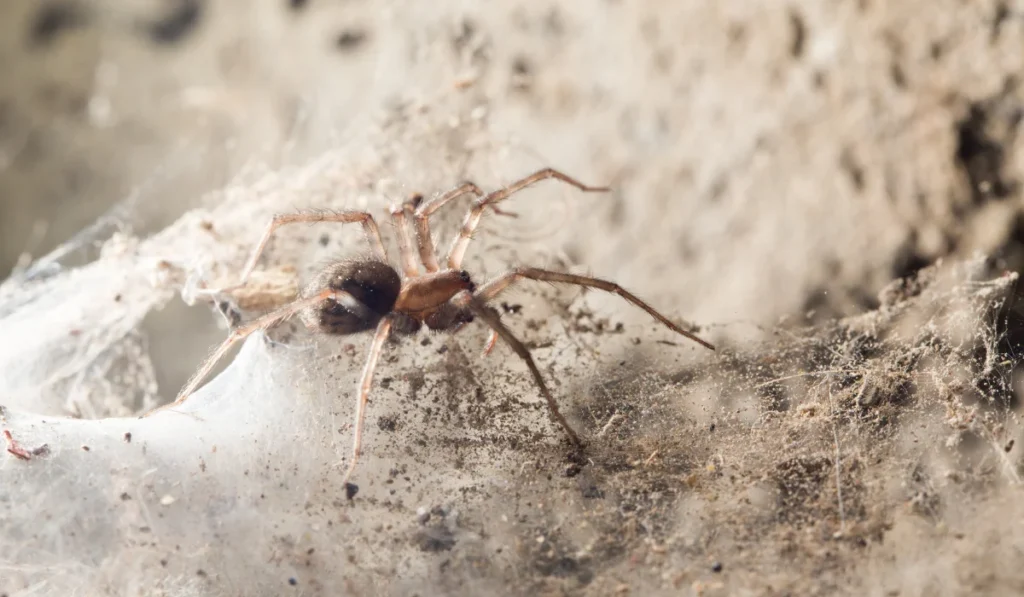
Insects also stay active indoors during winter. Cockroaches live near warmth and moisture. Boxelder bugs and stink bugs gather near walls and ceilings. Wasps may remain active inside heated structures, especially near rafters or storage areas.
Entry Points That Allow Winter Pest Activity
Overlooked entry points often cause winter pest threats for manufacturers in Grand Rapids, MI. Even small gaps allow pests to enter large manufacturing buildings.
Common entry points include loading docks, dock levelers, doors that fail to seal, and gaps around utility lines. Cracks in foundations and openings in walls also provide pests with hidden access.
Once inside, pests begin searching for food along production lines, break rooms, and storage areas. Without proper exclusion, these weak points remain active throughout the winter, allowing infestations to spread.
Health Risks and Public Health Concerns for Manufacturers
Winter pest threats for manufacturers in Grand Rapids, MI, pose serious health risks. Rodents and insects contaminate surfaces, packaging, and equipment, putting employees and customers at risk.
Rodent droppings can spread hantavirus and trigger respiratory issues. Cockroaches contribute to allergies and asthma while increasing contamination risks. Some pests also increase the risk of Lyme disease by bringing ticks indoors on equipment or shipments.
Public health standards require manufacturers to control pest problems proactively. Guidance from organizations such as the National Pest Management Association (NPMA) highlights the importance of prevention, since even minor pest activity can trigger audits, regulatory concerns, and production downtime when infestations escalate.
Structural Damage and Operational Disruptions
Winter pest threats for manufacturers, such as bed bugs in Grand Rapids, also cause costly structural damage. Rodents chew wiring, insulation, and building materials, increasing fire hazards and repair costs.
Termites remain a year-round threat inside heated facilities. Although often associated with warmer months, termites remain active indoors during winter and can cause structural damage over time. Manufacturing facilities with wooden components or moisture issues are more vulnerable.
Operational disruptions often follow infestations. Production slowdowns, equipment damage, and sanitation shutdowns reduce efficiency and profitability during peak winter production.
Pest Prevention Strategies for Manufacturing Facilities
Manufacturers in Grand Rapids, MI, must follow consistent pest-prevention practices during the winter. Routine inspections, strong sanitation, and building maintenance reduce pest activity.
Removing food sources is key to winter pest prevention. Cleaning schedules should cover break rooms, storage areas, and waste zones every day. Reducing clutter removes hiding spots pests use during winter.
Exclusion improves long-term protection. Sealing gaps, replacing door sweeps, and monitoring utility lines limit access. Professional inspections help identify risks that facility teams may miss.
The Role of Professional Pest Control Services
Winter pest threats often exceed what internal maintenance teams can manage on their own. Professional pest control services provide ongoing monitoring, treatment, and prevention for manufacturing environments.
A reliable pest control provider focuses on year-round protection, not short-term fixes. At Pest Pros of Michigan, we work with manufacturers in Grand Rapids and Kalamazoo to create pest prevention plans that support compliance and stable operations.
Facilities benefit from routine inspections, targeted treatments, and proactive exclusion.
Integrating Pest Control Into Year-Round Facility Planning
Winter pest activity in manufacturing facilities highlights the importance of year-round planning. Pest control should remain part of ongoing facility maintenance rather than a reactive service.
Manufacturers that prioritize pest prevention reduce infestations, protect structural integrity, and maintain pest-free environments during winter and beyond. This approach supports employee safety, regulatory compliance, and uninterrupted production.
At Pest Pros of Michigan, we help manufacturers across Michigan maintain reliable pest control year-round.
Contact us today for proactive service that stops winter pest threats before they take hold in your facility.
FAQs
How do winter pest threats impact manufacturing facilities?
Winter pest threats increase indoor pest activity as rodents and insects seek warmth and food. Manufacturing facilities face higher risks due to size, entry points, and constant operations, making prevention essential.
What pests are most common in winter for manufacturers?
Rodents, cockroaches, boxelder bugs, stink bugs, termites, and wasp activity remain common winter pest concerns in manufacturing environments across Grand Rapids and surrounding areas.
Why is professional pest control important during winter?
Professional pest control helps identify vulnerabilities, manage infestations early, and support public health compliance. Year-round service reduces winter pest threats before they disrupt operations.
Professional pest control helps identify vulnerabilities, manage infestations early, and support public health compliance. Year-round service reduces winter pest threats before they disrupt operations.

 Serving Michigan since 2018
 Pest-free guarantee
 Small, local business