Ant prevention works best before colonies become active inside your home. Once ants establish trails between food sources and nesting areas, eliminating the problem becomes more difficult, especially when colonies are hidden behind walls, beneath flooring, or around foundations.
Homeowners throughout Kalamazoo, Grand Rapids, and surrounding Michigan communities often notice increased ant activity during spring and summer. Warmer temperatures, excess moisture, food crumbs, and accessible entry points can all attract ants indoors during peak ant season.
Long-term ant control starts with understanding what attracts ants, where they nest, and how they move through homes. This guide explains when to begin ant prevention in Michigan, which warning signs to watch for, and how Pest Pros of Michigan approaches long-term ant control.
Key Takeaways
- Ant prevention is most effective before seasonal ant activity increases indoors.
- Reducing moisture, sealing cracks and gaps, and storing food in airtight containers can help lower the risk of an ant infestation.
- Carpenter ants, pavement ants, and odorous house ants are among the most common species found in Michigan homes.
- Professional pest control may be necessary when colonies are hidden or recurring infestations continue returning.
When to Begin Ant Prevention in Michigan
Preventing ants starts with recognizing early warning signs before colonies become established indoors. Different ant species behave differently, so identifying the type of ant and the conditions attracting it can help homeowners stay ahead of larger infestations.
Common Ant Species Found in Michigan Homes
Carpenter ants are among the largest ants homeowners encounter in Michigan. These ants tunnel through damp or damaged wood to create nesting galleries. Pavement ants commonly nest beneath sidewalks, driveways, and concrete slabs, while odorous house ants are known for the unpleasant smell they produce when crushed.
The University of Minnesota Extension notes that some species, including Pharaoh ants, have been associated with spreading bacteria such as Salmonella. Identifying the species early helps determine the best prevention and treatment approach.
Signs of Ant Activity Inside Your Home
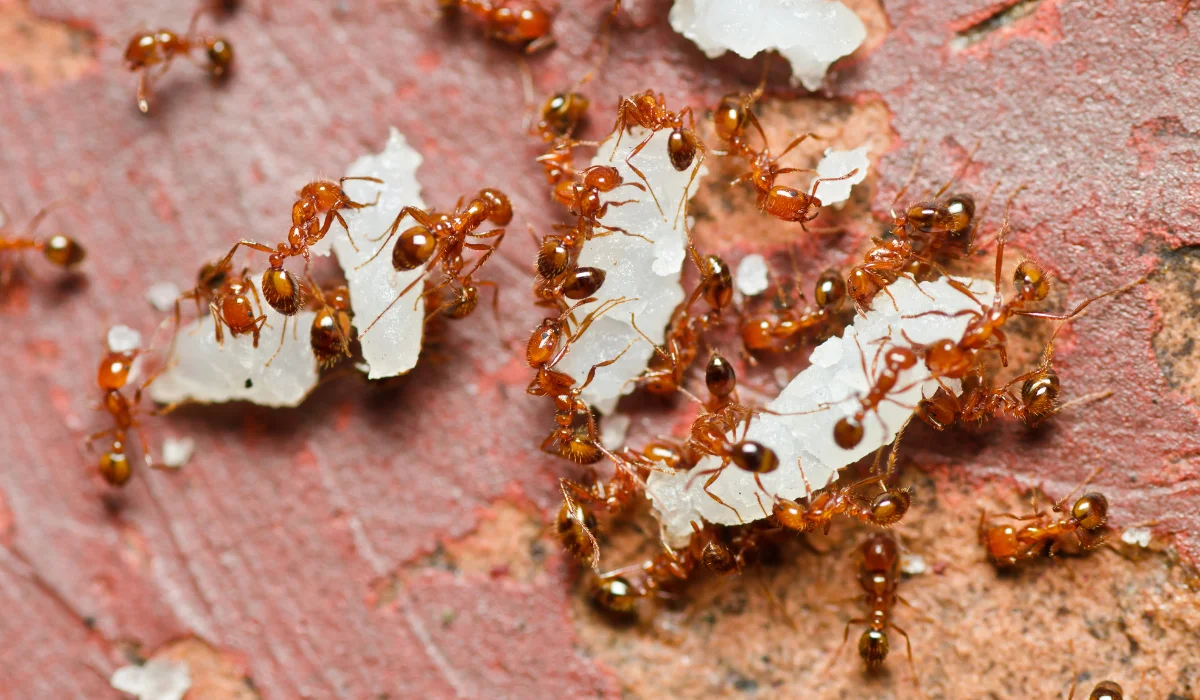
One of the earliest signs of an ant infestation is seeing worker ants trailing along countertops, baseboards, sinks, windows, or pantry shelves. These foraging ants follow scent trails between food sources and their nest.
Carpenter ant nests indoors are often hidden and hard to find. The University of Minnesota Extension recommends watching for carpenter ant movement between sunset and midnight during spring and summer to help trace activity back to nesting areas.
Seeing ants indoors during winter may also indicate an indoor nest, especially in heated homes where colonies remain active year-round.
Where Ants Commonly Nest Around Homes
Ant activity often develops around kitchens, bathrooms, basements, crawl spaces, garages, and utility rooms where food and moisture are available. Carpenter ants may also nest inside damp wood around windows, wall voids, or plumbing areas.
Outside, wood piles, landscaping timbers, tree stumps, mulch beds, and dense vegetation can support nesting activity close to the structure. Keeping these materials away from the home can help reduce future ant problems.
Common Entry Points Ants Use
Ants frequently enter through cracks near foundations, gaps around windows and doors, utility penetrations, and damaged weather stripping. Slab-built homes may also develop hidden entry points through expansion joints or small foundation openings.
Foraging ants establish predictable trails between food sources and nesting areas. Tracking those trails outdoors can help identify where ants are entering and which conditions need attention before colonies spread indoors.
Why Ant Activity Increases During Michigan Ant Season
Ant infestations develop when food, moisture, and shelter are available close to the structure. Once ants establish reliable food sources indoors, colonies may continue expanding throughout the property.
Outdoor Nesting Areas That Support Ant Colonies
Many ant species build nests outdoors before moving closer to homes. Carpenter ants often nest in damp or decaying wood, while pavement ants commonly establish colonies beneath concrete slabs, sidewalks, and driveways.
Texas A&M AgriLife Extension explains that ant colonies may relocate when disturbed. That movement can shift nesting activity closer to the structure over time.
Food Sources That Attract Ants Indoors
Accessible food is one of the biggest reasons ant infestations develop indoors. Crumbs, spills, pet food, sugary liquids, grease residue, and uncovered garbage all attract foraging ants into kitchens and food preparation areas.
UC IPM recommends storing food in airtight containers and removing accessible food sources to help eliminate conditions that support indoor ant activity.
Keeping counters clean, vacuuming regularly, and limiting moisture around sinks can help reduce ant trails before colonies become established.
How Ants Spread Throughout Homes
Some ant species establish multiple nesting sites connected to the same colony. Carpenter ants, for example, may maintain satellite nests separate from the primary colony, making infestations harder to eliminate without locating all active nesting areas.
Once ants establish indoor trails, they may continue expanding into kitchens, bathrooms, basements, and storage spaces while searching for food and water.
How Ants Travel Through Homes
Ants commonly travel along baseboards, plumbing lines, utility openings, and hidden wall spaces. Black carpenter ants are mostly nocturnal, so homeowners may not notice activity until after dark.
Watching for ant movement near windows, cracks, and food preparation areas during evening hours can help identify hidden trails and active nesting locations.
What Happens When Ant Prevention Starts Too Late
While some ant infestations are mostly a nuisance, others can contribute to structural concerns, food contamination, or recurring pest problems throughout the home.
Health Concerns Linked to Ant Activity
Ants searching for food may move through garbage, drains, wall voids, and contaminated surfaces before entering kitchens and pantry areas. Certain species can spread bacteria onto countertops and food storage surfaces.
Mississippi State University Extension notes that carpenter ant infestations often develop in areas affected by moisture problems, plumbing leaks, or wood decay. These same conditions may also attract additional pests.
Property Damage Caused by Carpenter Ants
Carpenter ants tunnel into wood to create nesting galleries, especially in damp or weakened structural materials. Over time, repeated tunneling can damage trim, framing, wall voids, and wooden supports.
Nests may develop in basements, crawl spaces, garages, attics, trees, or moisture-damaged wood around the property. Oregon State University Solve Pest Problems explains that professional pest control is often needed when carpenter ant colonies become established inside structures.
Food Preparation Areas and Ant Infestations
Kitchens, pantries, and dining areas often become hotspots for ant activity because they provide easy access to food and moisture. Crumbs beneath appliances, sugary spills, and pet food bowls can all attract worker ants.
Keeping food sealed, cleaning surfaces regularly, and storing dry goods in airtight containers can help reduce the conditions ants depend on indoors.
Signs an Ant Infestation May Be Growing
Sawdust-like debris near wood structures, repeated indoor trails, moisture damage, or visible ant movement during winter may indicate a larger infestation nearby.
Paying attention to water-damaged wood, crawl spaces, plumbing leaks, and recurring activity around windows or kitchens can help homeowners identify problems earlier before colonies become harder to control.
Professional Ant Prevention for Michigan Homes
Early prevention helps stop colonies before they become established indoors. Inspections, moisture control, exclusion work, and targeted treatment all help reduce long-term infestation risks.
How to Reduce Conditions That Attract Ants
Reducing moisture is one of the most important steps homeowners can take to prevent ants. Fixing plumbing leaks, improving crawl space ventilation, replacing decayed wood, and keeping gutters clear all help reduce favorable nesting conditions.
Sealing cracks, gaps, utility penetrations, and openings near windows and doors can also help limit indoor access points. These steps help homeowners stay ahead of seasonal ant activity before infestations spread.
Why Ant Control Starts With Inspection
The best way to eliminate an ant infestation is to identify nesting locations and the conditions supporting colony growth. Inspections focus on moisture-prone areas, wall voids, crawl spaces, foundations, and hidden entry points.
Locating carpenter ant nests can be difficult because colonies are often hidden behind walls or inside damaged wood. Early inspections improve the chances of controlling activity before multiple nests develop.
What Happens During Professional Ant Treatment
Oregon State University Solve Pest Problems notes that smaller infestations may respond to retail products, but established carpenter ant infestations often require professional pest control.
Pest Pros of Michigan uses an Integrated Pest Management approach that includes exterior perimeter treatment, targeted applications, monitoring, and exclusion recommendations. General pest control service covers ants along with spiders, crickets, earwigs, and other common household pests.
Interior treatment is also available when ant activity has already moved inside the structure.
What an Ongoing Ant Control Plan Includes
Pest Pros of Michigan offers several pest management plans designed to help homeowners prevent recurring infestations throughout the year.
The Home Pro-GPC plan starts at $49 per month or $149 per quarter for exterior-only coverage. The Home Pro Plus+ plan starts at $59 per month or $179 per quarter and includes interior service with optional rodent control or termite monitoring add-ons.
The Home Pro Premium plan starts at $79 per month or $249 per quarter and includes recurring interior treatment, rodent control, and termite monitoring. Ongoing service is especially helpful for homes with moisture issues, slab foundations, or recurring ant infestations.
Preventing Ant Problems Before They Spread
Most ant infestations are easier to control before colonies establish indoor trails and hidden nesting areas. Staying ahead of ant season means reducing moisture, sealing entry points, storing food properly, and watching for early signs of foraging activity.
Because many ant infestations develop in hidden spaces, professional inspections can help identify conditions homeowners may overlook. If you are noticing recurring ant activity around your Michigan home, Pest Pros of Michigan can help you eliminate existing infestations and reduce the risk of future problems.
Frequently Asked Questions
When Should Michigan Homeowners Start Ant Prevention?
Michigan homeowners should begin ant prevention before spring and summer ant activity increases. Early prevention helps reduce nesting opportunities and indoor food access before colonies expand.
Can Homeowners Prevent Ant Infestations on Their Own?
Homeowners can reduce attractants by sealing food, cleaning crumbs, fixing moisture problems, and sealing cracks or gaps. Larger or recurring infestations may still require professional pest control.
How Do I Know If I Need Professional Ant Control?
If ants continue returning indoors despite prevention efforts, if carpenter ants are damaging wood, or if multiple nesting areas appear active, professional inspection and treatment may be necessary.
What Does Pest Pros of Michigan Offer for Ant Control?
Pest Pros of Michigan provides exterior perimeter treatment, interior service when needed, recurring pest management plans, and targeted ant control solutions designed for Michigan homes.

 Serving Michigan since 2018
 Pest-free guarantee
 Small, local business
 10+ years of pest control experience
 President and CEO of Pest Pros of Michigan
 Resident of Michigan