House bugs in Michigan generally fall into two groups: pests active indoors all year, such as cockroaches, spiders, and ants, and seasonal invaders that arrive in predictable waves, such as boxelder bugs and stink bugs each fall. Matching what’s showing up to the time of year narrows down the identification before any treatment decision gets made. Spring brings ant activity and termite swarmers, summer brings stinging insects and mosquitoes, fall brings a cluster of look-alike bugs gathering on sunny walls, and winter brings a few of those same insects waking up indoors on warm days. This guide lists the house bugs Michigan homeowners run into most, organized by when each one typically shows up.
Key Takeaways
- Boxelder bugs, Asian lady beetles, brown marmorated stink bugs, and cluster flies all begin gathering on sun-facing walls around the same few weeks each September.
- These fall invaders spend the winter as adults inside wall voids that stay between about 40 and 50 degrees, then wake up and wander indoors on warm winter days.
- Sealing gaps around windows, vents, and siding works better against most fall invaders than spraying, since pesticides have little effect once the insects are slowing down for winter.
The Full List: Michigan House Bugs by Season
Michigan homeowners run into roughly the same set of house bugs year after year, and most of them fall into one of three timing patterns. The list below groups each one by when it typically shows up, so you can jump straight to the bug in front of you.
Active Indoors Year-Round
These bugs don’t wait for a particular season, because indoor warmth, food, and moisture stay available regardless of the weather outside.
- Cockroaches: Dark droppings resembling coffee grounds or black pepper under sinks and behind appliances. German cockroaches stay entirely indoors near kitchens and bathrooms, while larger species prefer damp basements and drains.
- Spiders: Webs tucked into basement or garage corners. A spider indoors often means another insect it’s hunting is already established nearby.
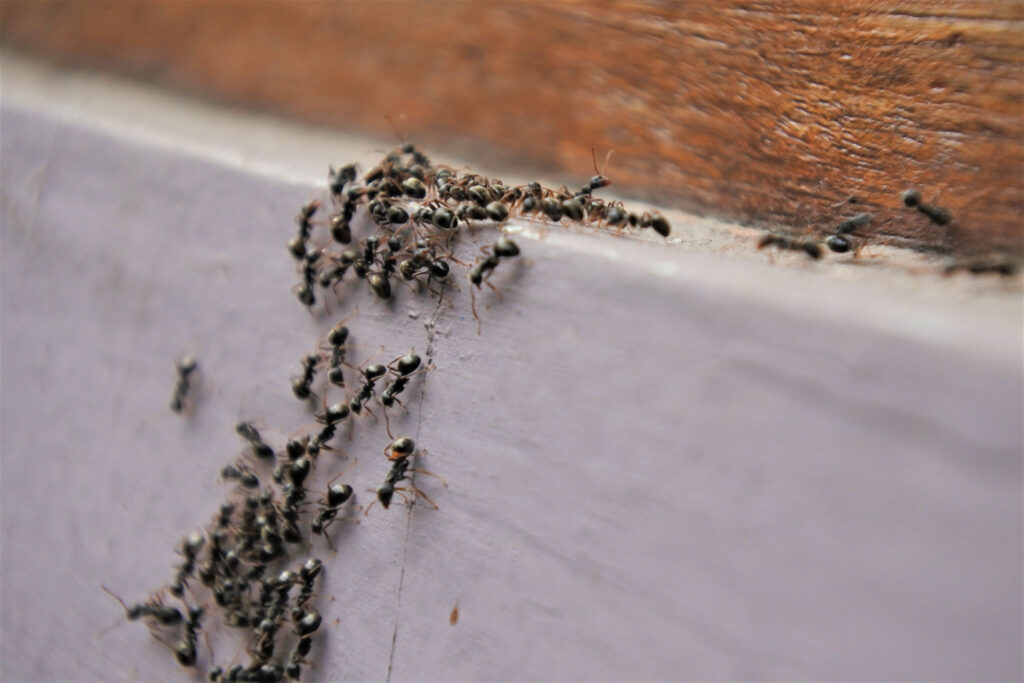
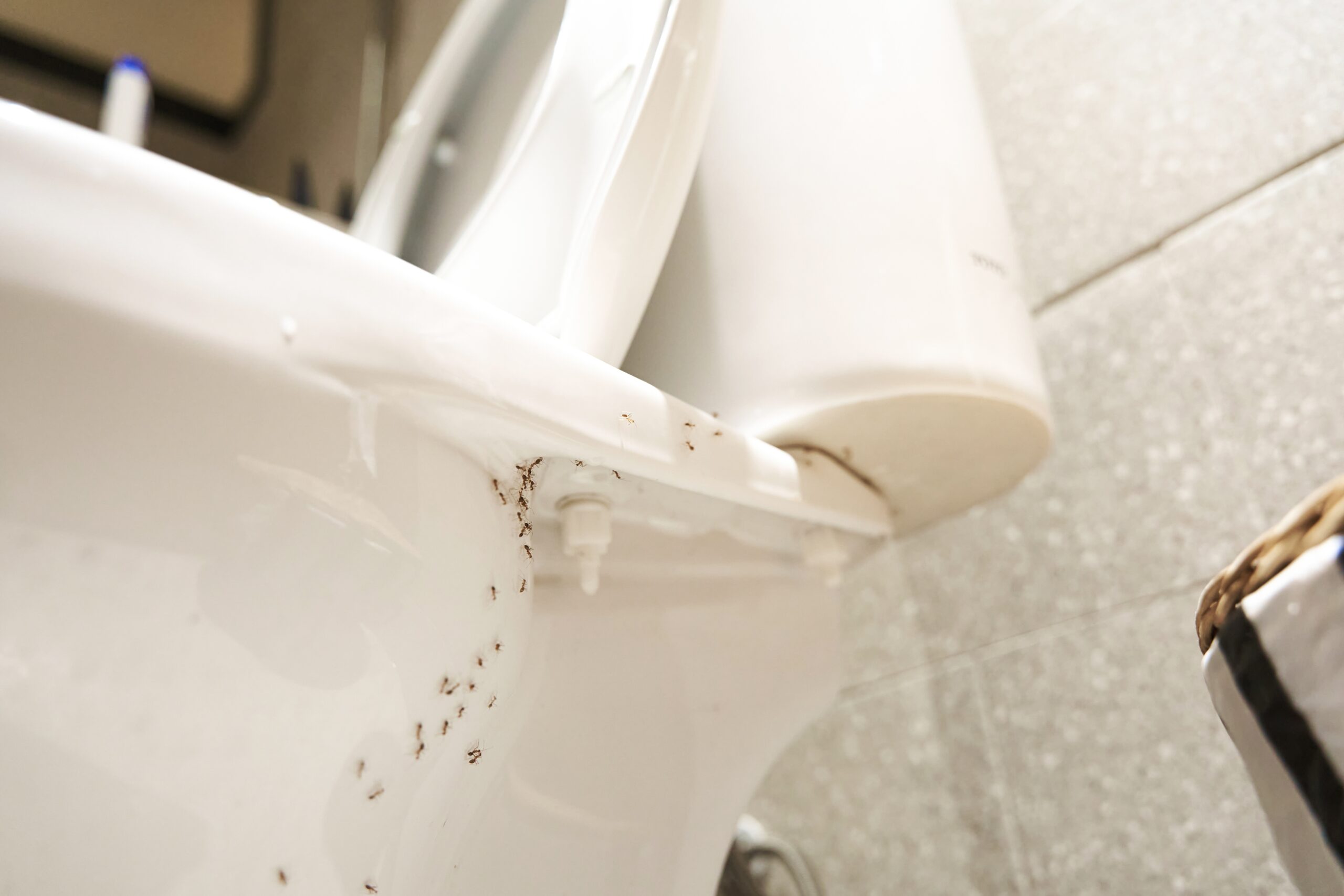
- Ants: Large black or reddish-black ants near damp wood point to carpenter ants, while small ants trailing toward the kitchen point to pavement or odorous house ants.
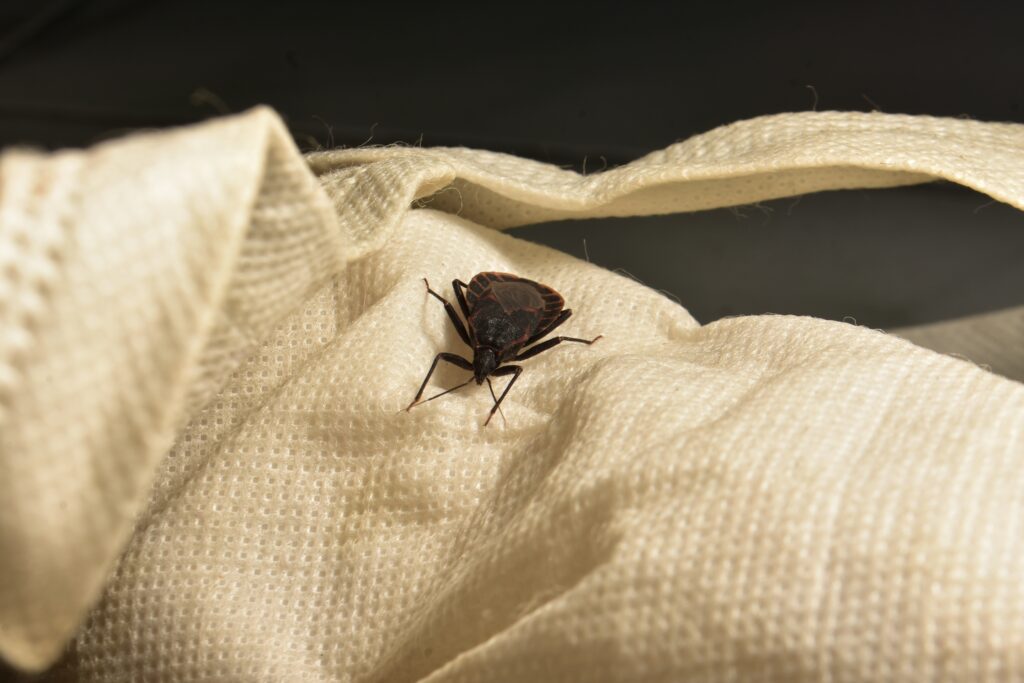
- Bed bugs: Small reddish-brown insects along mattress seams, with rust-colored stains on sheets and clusters of itchy bites appearing overnight.
- Centipedes: Fast-moving, many-legged insects found in damp basements and bathrooms. They’re predators of other bugs and not aggressive toward people.
- Millipedes: Slower and more rounded than centipedes, often found near foundations after rain. They curl into a coil when disturbed rather than running.
- Earwigs: Reddish-brown insects with pincers at the rear end, found under boards, mulch, and other damp, dark spots. The old story about them crawling into ears isn’t true.
- Crickets: Dark, jumping insects that chirp at night and turn up in damp basements or near light sources.
- Silverfish: Silvery, wingless, teardrop-shaped insects that move in quick, darting bursts, usually found in bathrooms, basements, or attics near paper or starchy materials.
Arriving With Warm Weather
A second group only becomes active once temperatures climb, and most of these bugs are tied to breeding or swarming behavior rather than indoor shelter-seeking. Carpenter ants and termites both send out winged, reproductive swarmers in spring as colonies mature and expand, while wasps, hornets, and carpenter bees spend the summer building paper or mud nests under eaves, in attics, or along wood trim. Mosquitoes become most active at dusk and dawn in warm months, breeding wherever water collects for more than a few days, and fleas and ticks pick up right alongside them, often arriving indoors on pets or hitching a ride from tall grass outdoors.
Clustering Each Fall
A distinct group of look-alike bugs appears on the sunny side of Michigan homes within the same few weeks each September, all searching for a place to spend the winter. The comparison section below covers what separates them beyond appearance.
- Boxelder bugs: Black bodies with red or orange markings.
- Asian lady beetles: Orange to red beetles with a variable number of spots.
- Brown marmorated stink bugs: Shield-shaped and mottled brown.
- Cluster flies: Slightly larger and slower-moving than a housefly.
- Western conifer seed bug: Shaped like a stink bug, with a flattened, leaf-like section on the hind legs.
Spring’s Early Movers: Ants and Termites
Warmer soil and increased moisture wake up carpenter ants and termites after a dormant winter. Carpenter ants send out winged reproductive ants in late spring, and these newly formed queens and males drop their wings shortly after mating while searching for a nesting site. Winged carpenter ants indoors during summer don’t necessarily mean an active nest, since most winged ants simply die off without ever establishing one. Winged carpenter ants found indoors in winter tell a different story. Michigan State University Extension has tracked the species for decades: a winter sighting points to a colony that’s been established inside the structure for at least two years.
Termites follow their own spring pattern, swarming when conditions turn warm and humid and leaving discarded wings near windows or doors as the clearest sign of activity.
Fall’s Big Invasion: Five Bugs That Cluster on Sunny Walls
No other season in Michigan brings as many house bugs at once as fall does. The multicolored Asian lady beetle, the boxelder bug, the brown marmorated stink bug, the cluster fly, and the less common western conifer seed bug all begin gathering on the sides of homes within the same few weeks, usually the second or third week of September, once daylight drops below roughly twelve and a half hours. South and west-facing walls draw the largest numbers, since those sides collect the most afternoon sun.
How to Tell Them Apart
Michigan’s fall invaders, sorted by what to do
Five look-alike bugs gather on sunny walls within the same few weeks each September, but they aren’t equally worth worrying about. Here’s how to tell them apart and how much each one calls for action.
Brown Marmorated Stink Bug
Crop damageShield-shaped and mottled brown.
Asian Lady Beetle
Light biteOrange to red beetles with a variable number of spots.
Boxelder Bug
NuisanceBlack bodies with red or orange markings.
Cluster Fly
Attic dwellerSlightly larger and slower-moving than a housefly.
Western Conifer Seed Bug
Mistaken IDShaped like a stink bug, with a flattened, leaf-like section on the hind legs.
Appearance is only part of the story. These five insects also differ in how much of a nuisance, or a risk, they actually pose:
- Boxelder bugs are native to Michigan and build up in large numbers some years, but they aren’t a garden pest.
- Brown marmorated stink bugs are a more recent arrival to the state and the only one of the group that also damages garden crops.
- Asian lady beetles can deliver a light bite but can’t spread disease.
- Cluster flies tend to head for attic spaces rather than living areas once they’re inside.
- Western conifer seed bugs are the one most often mistaken for a stink bug.
Where They Spend the Winter, and Why They Reappear
All five fall invaders spend the winter as adults rather than as eggs or larvae, which means they need a spot that stays roughly 40 to 50 degrees to survive until spring. A wall void, the gap between a home’s exterior and interior walls, provides exactly that kind of shelter. Once inside a wall void, insects that end up on the interior-facing side of the insulation are the ones most likely to notice a rise in temperature on a sunny winter day and wander into a living space by mistake, rather than staying dormant until spring.
Sealing Beats Spraying for These Insects
Insecticide sprays generally don’t work well against fall invaders, because these insects are already slowing down for winter dormancy and often aren’t affected the way an actively feeding insect would be. A late-summer inspection of the home’s exterior, focused on the south and west sides first, does more good. Caulking gaps around windows and doors, checking dryer vents, gas lines, and light fixtures for missing caulk beads, and repairing door sweeps all close off the entry points these insects rely on. Vinyl and aluminum siding are harder to fully seal, since insects can slip underneath in spots that aren’t visible from the outside.
When a Few Bugs Signal a Bigger Problem
A handful of Asian lady beetles on a windowsill or one boxelder bug on a screen doesn’t call for anything more than a vacuum. Winged carpenter ants indoors in winter, hundreds of fall invaders returning year after year despite sealing efforts, or cockroaches active during the day, since they’re normally nocturnal and daytime sightings often mean overcrowded hiding spots, are the signs worth a professional inspection instead of another round of caulk.
Get Local Help Identifying House Bugs in Michigan
Pest Pros of Michigan is a locally owned pest and termite company led by one of the few husband-and-wife Associate Certified Entomologist teams in the country, serving communities across West and Southwest Michigan. If you’re not sure which of these house bugs you’re dealing with, contact Pest Pros of Michigan for an inspection. The team can confirm the species, explain whether it’s a seasonal nuisance or something worth treating, and recommend next steps from the full range of pest control services available.
Frequently Asked Questions
What are the most common house bugs in Michigan?
Cockroaches, spiders, ants, and a handful of other year-round pests like centipedes and earwigs show up regardless of season, while boxelder bugs, Asian lady beetles, brown marmorated stink bugs, and cluster flies arrive in a predictable wave each fall.
Why do so many bugs show up on the sunny side of my house in fall?
These insects are cueing off shortening daylight, not dropping temperature, which is why they all move at once in mid-September. South and west-facing walls collect the most late-day sun, so those sides see the largest numbers.
Are boxelder bugs and Asian lady beetles dangerous?
Not seriously. The risks are nuisance-level: large numbers, a faint odor and possible fabric staining from Asian lady beetles, and neither pest carries disease or causes structural damage.
Will spraying get rid of fall invading bugs?
Not usually. These insects are slowing down for winter dormancy when they appear, so insecticide has limited effect. Sealing cracks, gaps, and vents on the sunniest sides of the house works better than any spray.
When should I call a professional about house bugs?
A few stray insects rarely need more than a vacuum. Winged carpenter ants indoors in winter, large fall invader populations that return every year, or daytime cockroach sightings are worth a professional inspection.

 Serving Michigan since 2018
 Pest-free guarantee
 Small, local business