This overview focuses on three types of crickets Michigan homeowners may encounter around the house: field crickets, house crickets, and camel crickets, also called cave crickets. Field crickets are closely tied to outdoor activity, house crickets can persist when indoor conditions provide food, moisture, and shelter, and camel crickets are often associated with damp lower levels such as basements and crawl spaces. When crickets keep appearing indoors, the bigger issue may be the conditions helping them get in or stay there, including excess humidity, clutter, accessible food, and gaps around the foundation.
What Types of Crickets Show Up Around Michigan Homes?
You do not need an exact species identification before you start checking the property. Where a cricket appears and whether the activity keeps returning can tell you what to inspect first.
| Cricket Type | Useful Homeowner Cue | Where to Look Next |
| Field crickets | Activity begins outdoors or near ground-level entrances | Foundation edges, exterior doors, garage openings, utility gaps |
| House crickets | Activity continues in sheltered indoor areas | Moisture, food sources, storage areas, hiding places |
| Camel crickets | Repeated sightings occur in damp lower levels | Basements, crawl spaces, sump areas, clutter, foundation gaps |
These categories are most useful as inspection clues. A cricket appearing beside a garage door during fall points you toward exterior access. Repeated activity around a damp basement storage area puts moisture and hiding places higher on the list.
Field Crickets
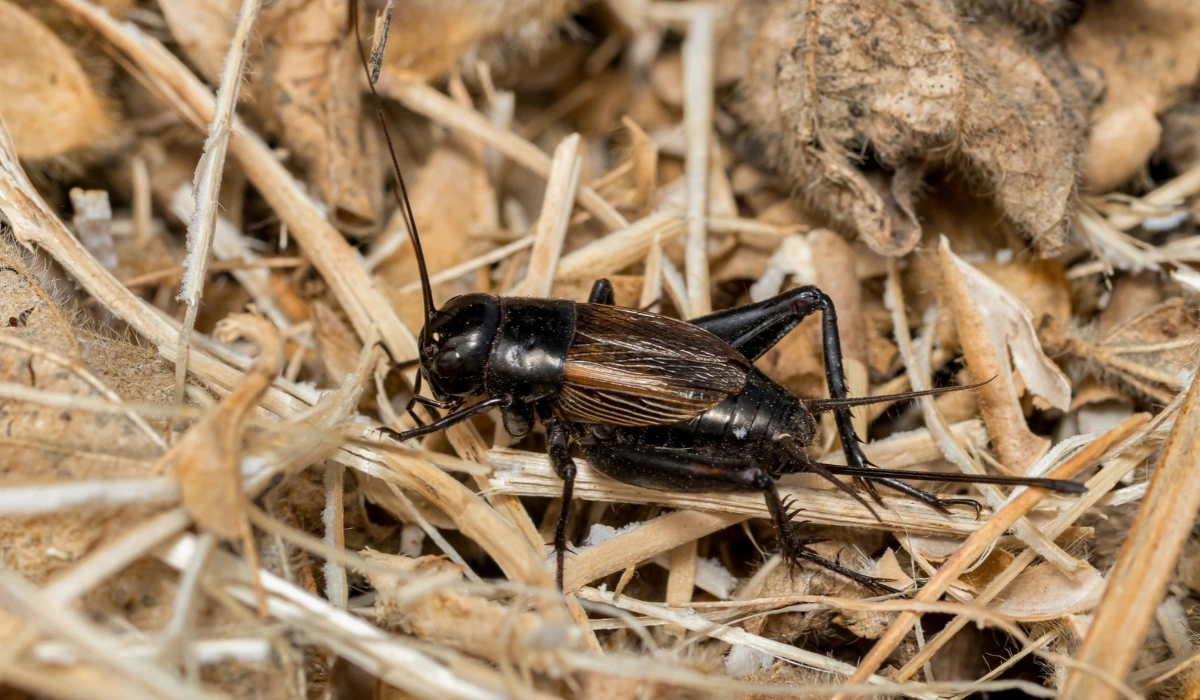
Field crickets are strongly associated with outdoor areas, so indoor sightings often make the exterior of the house the first place to inspect. Foundation edges, doors, garage openings, and utility penetrations can provide access to protected spaces as seasonal conditions change.
One cricket indoors does not mean there is a breeding population in the house. Pest Pros notes that crickets generally prefer soil, mulch, and damp outdoor locations for egg laying, and a full indoor breeding population is uncommon.
If field cricket activity keeps returning near the same part of the home, focus on the route rather than the individual insect. Repeated sightings along one foundation wall or beside the same exterior door can help narrow down where crickets are getting inside.
House Crickets
House crickets are more relevant when cricket activity continues inside a structure instead of being limited to a few seasonal visitors. Warmth, humidity, food, and protected hiding areas can allow crickets to remain active indoors.
Chirping is often what gets your attention first. Crickets are mainly active at night, so activity in a basement, garage, utility room, or storage area can become much more noticeable after the house gets quiet.
Persistent indoor activity should trigger a check for food and shelter as well as entry points. Crumbs, pet food, paper products, stored boxes, and damp corners can all support cricket activity when they remain accessible.
Camel Crickets and Cave Crickets
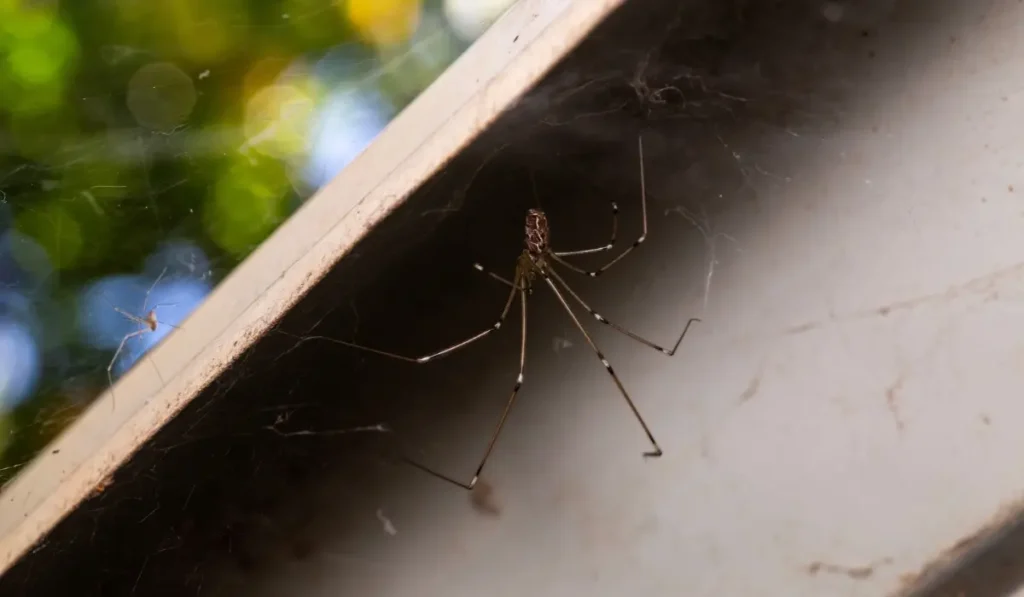
Camel crickets, also called cave crickets, are especially relevant when the problem is concentrated below ground level. Repeated camel crickets in Michigan basements should put humidity, sump areas, storage clutter, and foundation openings near the top of your inspection list.
Pest Pros identifies basements and crawl spaces as common cricket locations because these areas can stay cool, dark, and humid. Sump-pump areas and clutter also give crickets places to remain hidden.
One sighting does not prove there is a major moisture problem. If the same area keeps producing crickets, however, it makes sense to check whether the space stays damp and whether stored items or foundation gaps are giving them shelter and access.
Why Do Crickets Move Indoors in Late Summer and Fall?
Cricket problems around Michigan homes tend to increase in late summer and fall. Pest Pros identifies this as the main seasonal peak, when cooling outdoor conditions send crickets toward protected spaces.
Adult crickets do not handle freezing conditions well. A garage, basement, crawl space, shed, or other sheltered area can provide protection as outdoor temperatures fall.
The seasonal shift explains why a house can seem quiet through much of summer and then develop noticeable cricket activity later in the year. The insects still need a way inside, which is why the next step is finding the access point.
Check the Lower Exterior First
Crickets commonly turn up near ground level, making the lower exterior a practical place to start. Look around foundation openings, exterior doors, garage-door edges, and places where cables or pipes enter the structure.
Patterns can save time. If crickets appear near the same basement wall every fall, inspect that side of the house and nearby penetrations before working your way around the rest of the structure.
Removing the cricket you see handles the immediate nuisance. Closing the opening that keeps admitting them does more to prevent the same problem from repeating.
Indoor Conditions Can Keep Activity Going
Seasonal entry and indoor persistence are two different issues. Once crickets get inside, warm and humid areas may allow them to remain active beyond the period when outdoor activity starts dropping.
Basements, crawl spaces, and garages can combine moisture with shelter. Add stored cardboard, crumbs, pet food, or undisturbed clutter, and the area becomes more usable for crickets.
Indoor breeding is possible, but Pest Pros describes a full indoor breeding population as uncommon. That makes recurring activity worth investigating without assuming every cricket sighting represents a large infestation.
What Can Crickets in Your House Tell You?
A cricket does not diagnose a building problem, but repeated sightings can direct your attention toward conditions that deserve a closer look. Moisture, clutter, and exterior openings are three of the most useful things to check.
The room where activity occurs matters. Crickets confined to a garage point toward a different inspection than crickets repeatedly turning up around a damp basement storage area.
Excess Moisture
Basements and crawl spaces often hold more humidity than upper living areas. Pest Pros also identifies sump-pump areas as locations where crickets may hide.
If sightings cluster in a damp part of the basement, work on the moisture condition rather than treating the cricket as an isolated problem. A dehumidifier can help lower humidity in a consistently damp basement, while persistent wet areas deserve a closer look to determine where the moisture is coming from.
Crickets do not prove that you have a plumbing leak or structural water problem. They do give you a reason to check whether moisture is lingering in the same place where the insects keep appearing.
Clutter and Hiding Places
Storage clutter makes cricket activity harder to see and gives the insects more protected spaces. Cardboard boxes, crowded wall edges, and undisturbed storage areas can all make inspection more difficult.
Paper products and cardboard also matter because Pest Pros identifies them among the materials crickets may feed on. Boxes placed directly against damp basement walls combine shelter, darkness, and difficult-to-inspect conditions.
You do not need to empty the room. Remove unused cardboard, organize stored belongings, and leave enough space along walls and floor edges to see moisture problems and potential entry points.
Foundation and Exterior Gaps
Repeated indoor cricket activity can also point toward an access problem. Foundation openings, poorly sealed exterior doors, garage gaps, and spaces around utility penetrations are logical places to inspect.
Start where the activity starts. If the first crickets each fall show up beside one door or along one section of basement wall, inspect that area before making random repairs elsewhere.
Sealing obvious openings before fall activity peaks can reduce the number of crickets that reach protected indoor spaces.
Can Crickets Damage Clothes and Stored Items?
Crickets are usually a bigger nuisance than a property-damage threat, but persistent indoor activity can lead to chewing on certain stored materials. Pest Pros identifies cotton, wool, cardboard, wallpaper, paper products, and starch-based glues among the materials crickets may use as food.
This is not the same type of concern as damage from a wood-destroying pest. The issue is more likely to involve accessible fabrics, paper, boxes, or similar materials where crickets have remained active.
Food sources matter too. Crumbs and pet food can support cricket activity, so cleaning spills and storing food properly removes resources that may help them stay indoors.
Chirping Can Be the Bigger Problem
For many homeowners, the sound is more noticeable than any material damage. Crickets are mainly active at night, so one hidden in a quiet basement or storage area can be surprisingly disruptive.
The insect may retreat or stop calling when it detects movement. Instead of spending night after night searching for one cricket, inspect the surrounding area for the conditions that may be supporting the activity.
If the noise keeps returning from the same area, moisture, clutter, food, and exterior access are more useful targets than the cricket you happen to hear.
How Do You Keep Crickets Out of a Michigan Home?
Cricket prevention comes down to two jobs: make indoor spaces less useful to crickets and reduce the ways they can get inside. Moisture control, cleaner storage, food removal, and exclusion all have a role.
Handle those issues before late summer if you can. Once seasonal cricket activity increases, gaps that seemed unimportant earlier in the year can become repeat entry routes.
Dry Out Damp Lower Levels
Begin with basements, crawl spaces, sump areas, and garages where moisture tends to linger. If a basement stays humid, dehumidifying the space can make it less suitable for cricket activity.
Check the spots where crickets appear most often. Persistent dampness around one wall, storage area, or sump location deserves attention even if you have not found an obvious leak.
Moisture work is most useful when it addresses the condition rather than only the symptom. Lowering humidity helps, but recurring water should still be traced and corrected where practical.
Clean Up Food and Storage Areas
Clean crumbs and spilled pet food in areas where crickets have been active. Remove unnecessary cardboard and paper products from damp floors and crowded wall edges.
Organized storage makes the room easier to inspect. When you can see where the wall meets the floor, foundation gaps and damp spots are easier to find.
Outside, remove unnecessary plant debris and other decaying organic material close to the structure where practical. Pest Pros identifies decaying plant matter among the materials that can attract cricket activity.
Seal the Routes Crickets Use
Inspect the lower exterior for openings around doors, garages, foundation areas, cables, and pipes. Repair or seal accessible gaps using methods appropriate for the building material and location.
Door sweeps and weatherstripping should close obvious openings. Utility penetrations should not leave open gaps directly into garages, basements, or wall spaces.
The point is not to seal out one cricket. It is to remove repeat access before the seasonal increase in activity sends more crickets toward the structure.
When Does Professional Cricket Control Make Sense?
Professional service is worth considering when crickets keep appearing after you have addressed obvious moisture, storage, food, and entry problems. Recurring basement activity, sightings in several parts of the house, or the same fall problem returning each year can mean the main source or access point has not been found.
Pest Pros of Michigan handles cricket control primarily through exterior perimeter treatment of the structure. Interior service may also be performed when requested or when it is needed to gain control.
That approach targets the problem where many seasonal cricket issues begin: around the outside of the building. Pairing exterior service with moisture reduction, cleanup, and exclusion gives you more to work with than removing individual crickets after they are already inside.
Keeping Michigan Crickets Outside
Field crickets, house crickets, and camel crickets can show up under different conditions, but recurring indoor activity usually gives you somewhere specific to look. A garage problem puts exterior openings high on the list. Basement and crawl-space activity calls for a closer look at humidity, sump areas, storage, and foundation gaps.
Work through those conditions before focusing on individual insects. Lower excess humidity, remove unnecessary clutter, clean up accessible food, and close ground-level openings that may be allowing crickets inside.
If those steps are in place and cricket activity keeps returning, Pest Pros of Michigan provides cricket control for homeowners in Kalamazoo, Grand Rapids, and surrounding Michigan communities. Contact Pest Pros of Michigan to request an evaluation and discuss the right approach for your property.

 Serving Michigan since 2018
 Pest-free guarantee
 Small, local business