Michigan has nine squirrel species, but the ones most likely to end up in your attic, walls, or crawl space are the eastern gray squirrel, eastern fox squirrel, red squirrel, and flying squirrel. Each enters structures for different reasons, behaves differently across the seasons, and requires a different removal approach. Which species you have determines what action actually resolves the problem.
Key Takeaways
Michigan’s four problem squirrels, sorted by what to do
Michigan has nine squirrel species, but four are behind nearly every attic, wall, and crawl space call. Each enters structures differently and calls for a different response — here is how to tell them apart and what each one means for your home.
Eastern Gray Squirrel
Most common intruder16–20 inches, silvery gray body with a white belly; a black color morph is also common.
Where Attics and roofline gaps; the most common attic intruder, entering in fall and late winter.
Red Squirrel
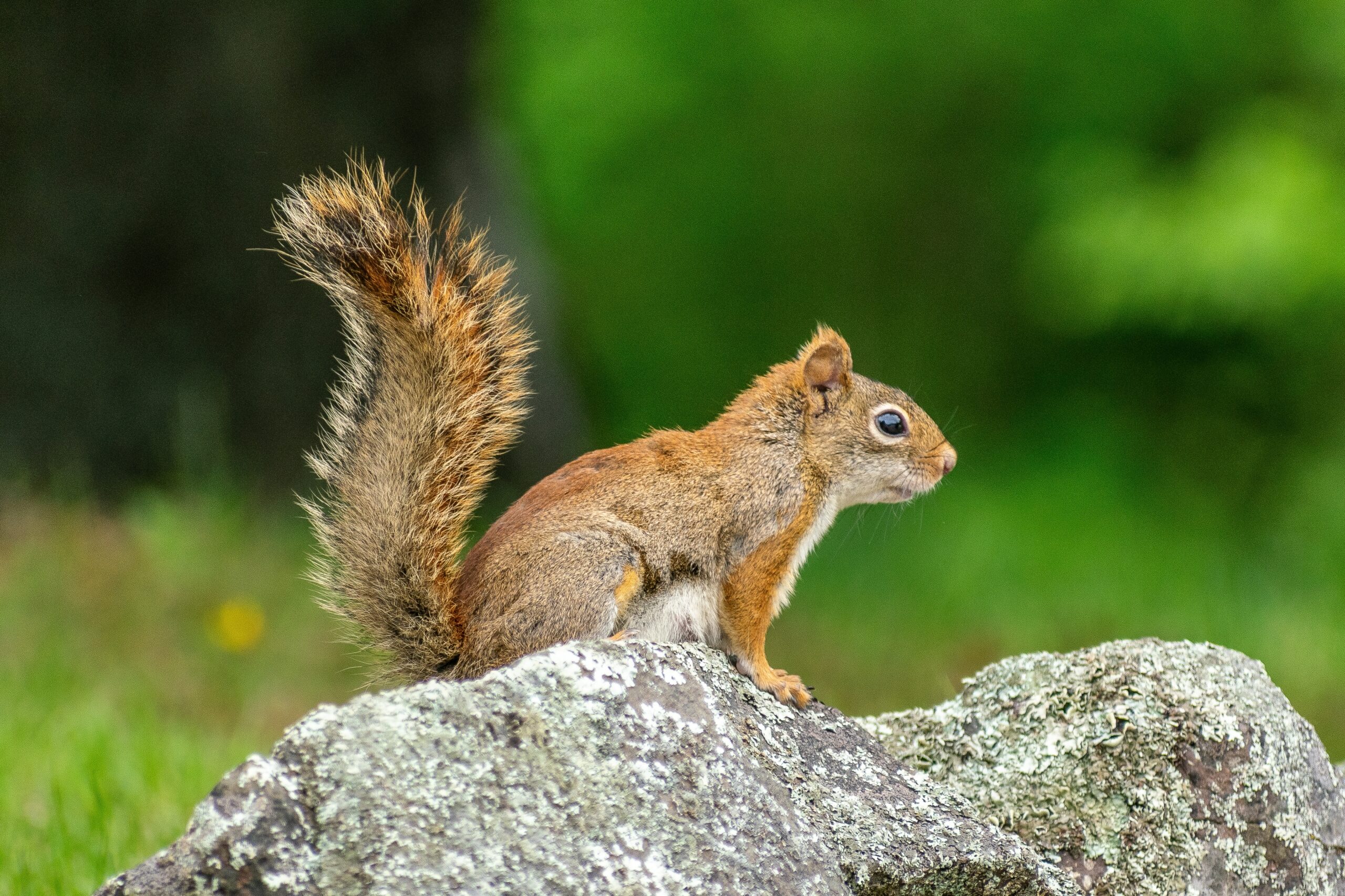
Aggressive11–14 inches, reddish back, white underside, and a broken white eye-ring.
Where Enters through gaps smaller than gray squirrels use; causes disproportionate gnawing and food-caching damage.
Flying Squirrel
Enters in groups8–10 inches (body), gray-brown above, white below, with a loose gliding membrane along the sides.
Where Attics via gaps around fascia, soffits, and dormers, especially in older homes; nocturnal and hard to detect early.
Eastern Fox Squirrel
Less common indoors20–22 inches, gray back with a yellowish-orange belly; Michigan’s largest tree squirrel.
Where Detached garages, outbuildings, and sheds more often than attics.
- The eastern gray squirrel is the most common attic intruder in Michigan. It is active year-round, enters structures in fall and late winter, and can have two litters per year.
- Flying squirrels are the only Michigan squirrel that enters attics in large groups. They are nocturnal, so most homeowners don’t know they have them until the population is already established.
- Red squirrels are the most persistent and aggressive of the four problem species. A single red squirrel can cause disproportionate damage to insulation and wood in a short period.
Michigan’s Four Problem Tree Squirrels at a Glance
| Species | Size | Appearance | Activity Pattern | Property Risk |
|---|---|---|---|---|
| Eastern Gray Squirrel | 16–20 inches | Silvery gray body, white belly; black color morph also common | Diurnal; active year-round | Most common attic intruder; two litters annually |
| Eastern Fox Squirrel | 20–22 inches | Gray back with yellowish-orange belly | Diurnal; active year-round | Less common indoors; more likely in outbuildings and garages |
| Red Squirrel | 11–14 inches | Reddish back, white underside, broken white eye-ring | Diurnal; active year-round | Aggressive; significant gnawing damage; enters through small gaps |
| Flying Squirrel | 8–10 inches (body) | Gray-brown above, white below; loose gliding membrane along sides | Nocturnal | Enters in groups; insulation damage; difficult to detect early |
The Eastern Gray Squirrel: Michigan’s Most Common Attic Intruder
The eastern gray squirrel is the species behind most squirrel-in-attic calls across Michigan, and the gray and black color morphs of the same species are both common in urban and suburban neighborhoods. Michigan DNR confirms it as one of the state’s most widespread and adaptable tree squirrels, found in mature mixed hardwood forests and equally comfortable in neighborhood parks, suburban yards, and city blocks.
What Makes Gray Squirrels a Recurring Problem
Gray squirrels breed twice a year in Michigan, with litters typically arriving in late winter and again in midsummer. The late-winter litter drives the most attic entries, because pregnant females seek enclosed, protected nesting sites while temperatures remain cold and natural tree cavities are competitive. An attic that has been accessed once will often be re-entered in subsequent seasons along the same route if the entry point is not properly sealed after removal. Gray squirrels are active year-round and do not hibernate, which means attic noise and damage can occur in any month.
How to Identify Gray Squirrel Damage
Gnaw marks at roof edges, soffits, and fascia boards are the exterior signs most commonly associated with gray squirrel entry. Inside the attic, insulation is compressed or pulled apart for nesting, and electrical wiring may show chew damage along attic runs. Gray squirrel activity is most concentrated in early morning and late afternoon, matching their diurnal foraging pattern.
The Eastern Fox Squirrel: Larger, Less Common Indoors
The eastern fox squirrel is Michigan’s largest tree squirrel, running 20 to 22 inches long and weighing up to three pounds. Its gray back and distinctly yellowish or orange-tinged belly distinguish it from the gray squirrel. Michigan Wildlife Council describes the fox squirrel as highly adaptable to living near people, using power lines as travel routes and regularly accessing bird feeders in urban and suburban yards.
Where Fox Squirrels Cause Problems
Fox squirrels are less likely than gray squirrels to enter attic spaces, but they are a more common problem in detached garages, outbuildings, and sheds where gaps near rooflines or foundation vents provide access. Like gray squirrels, they cache food heavily in fall, which means their activity near structures increases as they establish winter food stores.
How to Identify Fox Squirrel Activity
Fox squirrels are diurnal and active year-round. Their size makes them easier to spot in the yard than red or flying squirrels, and their larger entry points are more visible than the small gaps red squirrels use. Structural damage around garage rooflines, torn vent screens, and cached food piles near outbuildings are the most consistent indicators.
The Red Squirrel: Small, Aggressive, and Destructive
The red squirrel is the smallest of Michigan’s tree squirrels at 11 to 14 inches, with reddish fur on its back and a broken white eye-ring. Red squirrels are territorial and will actively drive larger squirrels from areas they claim, including sections of a roofline or attic. A single red squirrel in an attic causes damage that seems disproportionate to its size because it gnaws persistently and caches food throughout the space.
Red squirrels enter through gaps smaller than those gray squirrels typically use, which is why they turn up in structures where homeowners assumed squirrel entry wasn’t possible. They do not hibernate and are active year-round. Finding cached food piles of nuts, pinecones, or seeds in an attic or wall void is a reliable sign of red squirrel activity specifically, as they are more aggressive food-storers than gray or fox squirrels.
Flying Squirrels: The Attic Species You Probably Don’t Know You Have
Flying squirrels are the hardest property pest squirrel in Michigan to catch early, because they are entirely nocturnal and most homeowners never see one. The detection window is narrow: by the time activity is noticed, the population inside the structure is usually already well-established.
Why Flying Squirrels Are Different From Other Squirrel Infestations
Flying squirrels do not typically enter attics as single individuals. They move and shelter in groups, and an attic with one flying squirrel almost certainly has more. Populations inside an attic can build over multiple seasons without a homeowner realizing it, because the noise happens after dark when it is easy to dismiss as other nighttime sounds. Insulation damage found during a home inspection or renovation is frequently traced to an established flying squirrel colony that went unnoticed for years.
Flying squirrels use tree cavities, and structures with gaps around fascia, soffits, and dormers, particularly older homes, are the most vulnerable. If you are hearing light scrabbling sounds in the attic after dark rather than in the morning, flying squirrels are worth investigating before assuming mice.
Seasonal Behavior and When Michigan Squirrels Enter Structures
Squirrel activity around Michigan homes peaks at two distinct points: fall, when all four species increase foraging and caching near structures, and late winter, when gray squirrels seek protected nesting sites for their first litter of the year. Both windows are predictable enough to time prevention work around.
Fall: Food Caching and Pre-Winter Entry
All four species increase their activity around Michigan homes in fall as they locate and cache food ahead of winter. This is when gaps in rooflines, soffit joints, and fascia boards are most actively probed. Gray and fox squirrels foraging in nearby oaks and hickories will investigate structures as potential food storage and nesting sites. Red squirrels cache more aggressively than the larger species, and a red squirrel that identifies a structural gap in fall is likely to use it persistently. Sealing known entry points in late summer, before fall foraging peaks, is more effective than treating entry after it has already occurred.
Late Winter and Early Spring: Nesting Season
Late February through April is when gray squirrel attic entries increase as females seek nesting sites for the first litter of the year. A female that has located a warm, enclosed attic space will defend it and raise her young there unless she is removed along with the litter. Gray squirrel litters in Michigan average two to four young and are typically born in February or March. Removing a female without accounting for a litter inside means young are left behind without a mother — they cannot survive, and the decomposition creates an odor and pest problem that outlasts the original squirrel issue.
When to Call Pest Pros of Michigan
Call us when you are hearing squirrel activity in the attic, have found entry points along the roofline, or have tried addressing the problem and the squirrel has returned. A squirrel that re-enters after a DIY exclusion attempt usually means a secondary entry point was missed or the original seal failed.
Professional service makes sense when:
- You are hearing movement in the attic, particularly in early morning or late afternoon for gray or fox squirrels, or after dark for flying squirrels.
- You have found gnaw damage at roofline edges, soffits, fascia boards, or vent covers.
- A litter may be present and you need the timing of removal handled correctly.
- You have sealed one entry point and activity has continued.
- Flying squirrel activity is suspected and you want the full scope of the population assessed.
- You want all entry points identified and sealed after removal so the same route cannot be used again.
Pest Pros of Michigan provides squirrel removal and wildlife exclusion services for homes and businesses across Michigan, including attic inspection, humane removal, and entry point sealing backed by a service warranty.
Schedule Squirrel Removal in Michigan
If a squirrel has entered your attic or you are hearing activity along the roofline, we can inspect the property, identify the species and all entry points, remove the animal, and seal the access so the problem does not return next season.
Contact Pest Pros of Michigan to request squirrel removal in Michigan.
Frequently Asked Questions
What is the most common squirrel found in Michigan attics?
The eastern gray squirrel is the most common attic intruder across Michigan. It breeds twice a year, does not hibernate, and is highly motivated to find enclosed nesting sites in late winter and again in midsummer. It is found in both its typical silvery gray form and a black color morph, particularly in northern parts of the Lower Peninsula.
How do I know if I have flying squirrels versus other squirrel species?
Timing is the clearest indicator. Flying squirrels are nocturnal: if the sounds in the attic occur after dark rather than in the early morning or late afternoon, flying squirrels are more likely than gray or fox squirrels. Flying squirrels also tend to enter in groups, so an inspection often reveals more animals than expected. Their entry points are typically smaller than those used by gray squirrels.
Do squirrels in Michigan hibernate?
No Michigan tree squirrel hibernates. The eastern gray, eastern fox, red, and flying squirrels are all active year-round, which means attic intrusions and roofline damage can occur in any season. Activity levels peak in fall during food caching and in late winter during nesting, but the animals are present and moving throughout the year.
Can a squirrel that got into the attic find its own way out?
A squirrel that has established a nesting site in an attic will not voluntarily leave. Gray squirrels that have raised young in an attic will return to the same site in subsequent seasons. Flying squirrels that have established a colony will continue using the same entry point indefinitely. Removing the animal and sealing the entry point is the only reliable solution.

 Serving Michigan since 2018
 Pest-free guarantee
 Small, local business
 10+ years of pest control experience
 President and CEO of Pest Pros of Michigan
 Resident of Michigan