Termite activity in Plainwell homes can cause costly problems. Learn how to check for termites yourself, the signs, risks, and when to call Pest Pros of Michigan.
Key Takeaways for DIY Termite Inspections
- You can look for mud tubes on your foundation walls and other hard surfaces, which are a common first sign of subterranean termite activity. You may also notice discarded wings near windowsills, doors, or light sources.
- Tapping wood that sounds hollow, bubbling or uneven paint, and doors or windows that suddenly fit tightly can all point to termite activity worth investigating further.
- Homeowners can correct conditions that attract termites, such as removing decaying wood and maintaining a crushed rock barrier between soil and the foundation, but treatment applications require a licensed pest control professional.
- DIY products may appear to work after swarmers disappear, but termites may simply stop swarming while continuing to feed on wood inside your home.
How to Identify Signs of Termites in Your Home
Knowing what to look for is the first step when you check for termites yourself. Eastern subterranean termites leave behind several visible signs, and understanding these clues can help you decide whether your home needs a closer look from a professional.
How to Tell Different Termite Types Apart
Subterranean termite feeding generally follows the grain of the wood. These termites attack the softer springwood and leave behind the harder summerwood. According to UC IPM, this distinctive pattern of wood damage alone can often be used to distinguish subterranean termite activity from that of other species. When you tap wood and it sounds hollow or crumbles, examine the remaining wood for this layered, grain-following pattern.
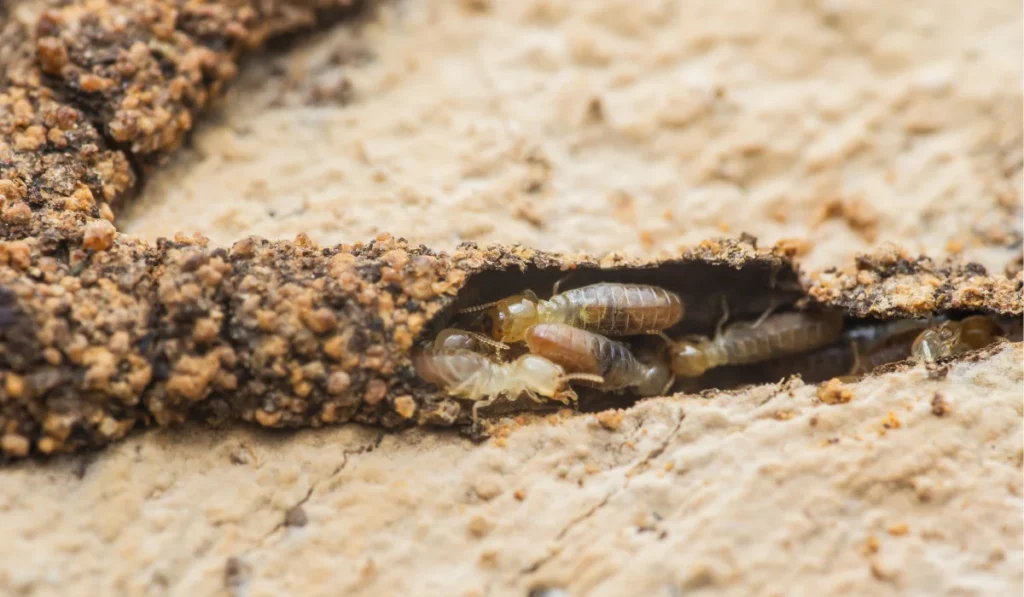
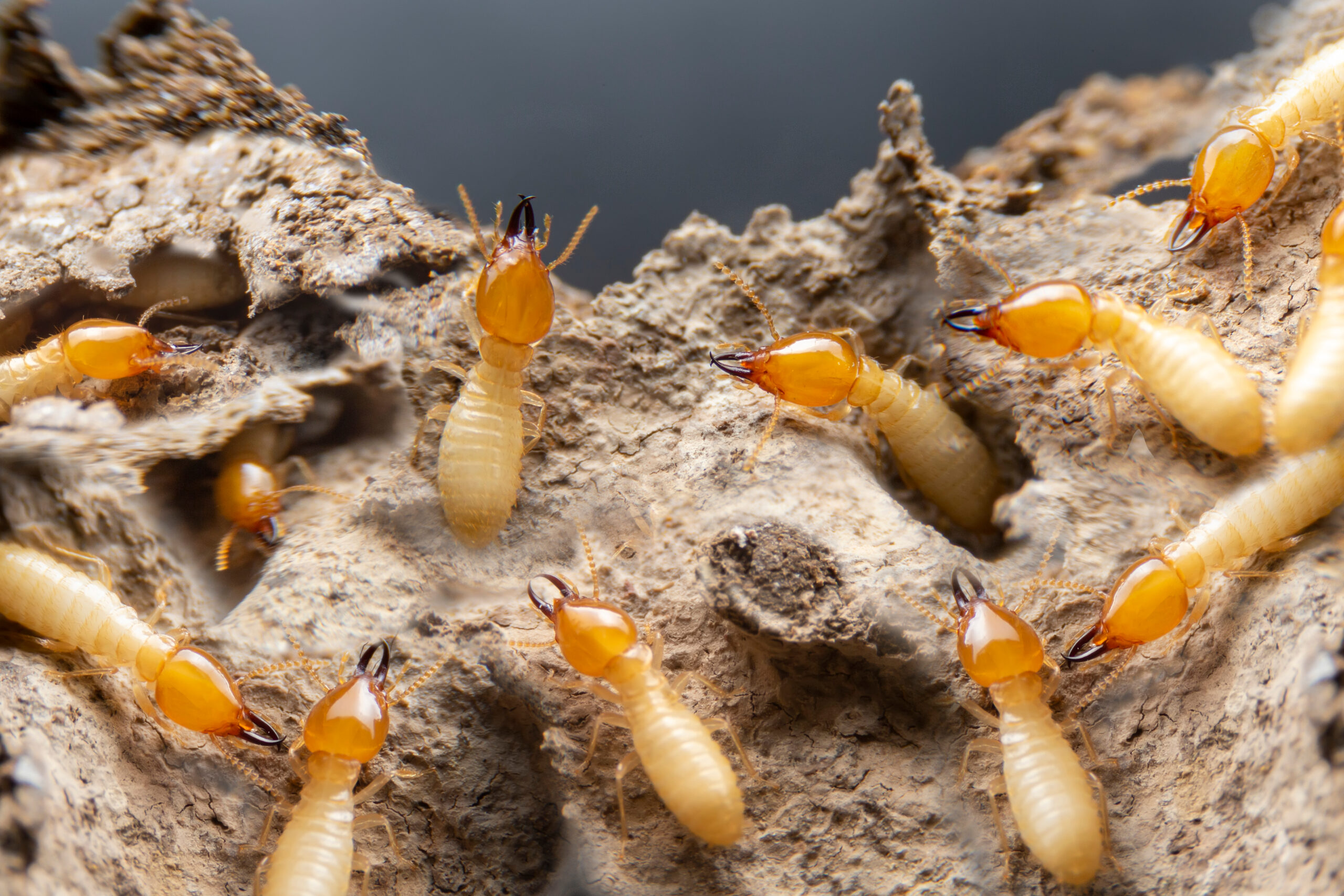
Swarmers are dark brown or black with two pairs of equal-sized wings. Workers, which cause the most damage, are small, soft-bodied, and pale white.
How to Spot Termite Activity Inside Your Home
Mud tubes on interior walls are one of the clearest signs of an active problem. If you break a termite tube open, you may see live workers and soldiers running through it. Finding active insects inside the tubes confirms a current infestation rather than old, abandoned damage.
Other interior signs include bubbling or uneven paint from moisture buildup, tight-fitting doors or windows caused by wood swelling, and swarming termites appearing indoors.
Where Termite Activity Shows Up Around Homes
Working tubes are constructed from the nest in the soil to wooden structures. These mud tubes may travel up concrete or stone foundations, so inspect all visible foundation surfaces. The nest for subterranean termites is in the soil, and the tubes serve as their protected pathway to the wood in your home.
Check areas where wood contacts or sits close to soil, including foundation walls, crawl spaces, and any exposed structural wood near ground level.
Exterior Entry Points Termites Use
Outside, look along the full perimeter of your foundation for mud tubes rising from the soil. These tubes can appear on concrete, stone, or any hard surface between the ground and your home’s wooden framing. Subterranean termite nests are in the soil, making the foundation perimeter a key inspection area.
To reduce conditions that attract termites, create a crushed rock barrier of at least 12 to 18 inches between the foundation and any soil or mulch. Remove decaying wood outside, including leaf piles, fallen trees, and tree stumps.
Why Termite Problems Develop
Termite problems rarely start inside your home. They begin outdoors, in soil, where colonies grow unnoticed before workers find a path to the wood in your structure. Understanding where these insects nest, what draws them in, and how they reach your home helps you know what to look for during a self-inspection.
Outdoor Nesting Areas for Termites
Subterranean termites live in the soil. According to the University of Georgia termite guide, they forage from their underground colonies into structures to access wood. In Michigan, the Eastern Subterranean Termite is the species you need to watch for. Their colonies remain hidden below ground, making them difficult to spot until workers have already reached your home’s foundation or framing.
Because these termites depend on soil contact, their nesting areas tend to be close to the structure they eventually target. Nearby sources of damp or decaying wood can support colony activity.
Food and Shelter That Attract Termites
Wood is the primary food source. Subterranean termites excavate galleries inside wood as they consume it, sometimes leaving only a thin wooden exterior behind. Soil or mulch piled against your foundation gives foraging workers a direct path from their colony to a food source. Standing water, leaky pipes, and poor drainage add the moisture these soil-dwelling termites need.
Maintaining a rock barrier between foundation walls and landscaping materials helps reduce these attractants.
How Termites Move Around Homes
Subterranean termites build mud tubes on hard surfaces to travel between soil and wood. These tubes are often the first visible clue homeowners notice. Swarmers, the reproductive members of a colony, are another sign of movement. Native subterranean swarmers are black and approximately 3/8 inch in total length, including wings. Workers, the caste that causes damage, are pale white and roughly 1/8 inch long. Eastern subterranean termites typically swarm in the morning or early afternoon, with native subterranean species generally starting as early as January and finishing by early June. Swarms are often triggered by warm, humid conditions.
Trails and Entry Points Termites Use
Foundation walls are the most common surface where mud tubes appear. Termites can also enter through slab foundations where small cracks allow passage from soil to wood. Discarded wings near light sources or entry points may signal that swarmers have found a way in. Bubbling paint, tight-fitting doors, and hollow-sounding wood can all point to active trails behind the surface.
Exhaust fans in kitchens and bathrooms help limit excess moisture, and repairing damage to your foundation, exterior walls, or roof removes potential entry points that termites may use.
Risks From Termite Infestations
Structural Risks From Termites
When you check for termites yourself, one of the biggest challenges is catching the full scope of structural involvement. According to UC IPM, workers construct shelter tubes using saliva mixed with soil and bits of wood or even drywall. If you spot mud tubes on your foundation, that pathway may already connect pests to structural wood above.
Missing even a small section of activity during a self-inspection can allow termite damage to continue unchecked. A professional inspection covers foundation walls, crawl spaces, and interior wood to detect colonies and contain damage so that localized treatments target the right areas.
Hidden Termite Damage in Homes
Termite damage is often hidden. Hollow-sounding wood, bubbling paint, and warped doors or windows can all point to pests working out of sight. These signs may appear only after colonies have been active for some time.
As UC IPM notes, careful inspection is needed to detect and contain termite damage and colonies. A homeowner may notice obvious mud tubes but overlook damage deeper within walls or floor joists. When infestations go undetected, the structural cost typically grows.
Belongings and Moisture Risks From Termites
Subterranean termites introduce moisture as they feed, which can cause wood to swell and warp. This moisture accumulation may affect areas around doors, windows, and other wood components in your home. Shelter tubes built by these pests can extend across foundation walls, giving colonies access to wood throughout the structure.
You should also inspect antique wooden furniture before bringing it into your home, since pests can arrive through items you carry inside.
When a Termite Problem Needs Action
If you find mud tubes during your inspection, destroy them to disrupt the active pathway. This step does not address pests already inside the wood. Mud tubes on your foundation walls are often the first visible sign of an infestation.
Swarming termites inside your home or discarded wings near entry points are additional signals that a colony may be well established. Many products promise to control termites, but they can fail when not applied at proper rates or frequently enough. A quiet period after swarming season does not mean the colony is gone.
Professional Pest Control for Termite Problems
Knowing how to check for termites yourself is a valuable first step, but a self-inspection has limits. When you spot signs of an active termite infestation, the next steps typically require professional tools and expertise. Below is a practical breakdown of what you can do on your own and where a pest control professional fits into the picture.
How to Reduce Attractants for Termites
Homeowners can correct conditions that are conducive to a subterranean termite infestation. Start by maintaining a crushed rock barrier between your foundation and any soil or mulch. Clear decaying wood from around the home, including wood mulch, fallen trees, and tree stumps.
Fix leaky pipes, fixtures, and air conditioning units to reduce moisture near the structure. Use exhaust fans in kitchens and bathrooms to limit excess humidity. Keep gutters clean and avoid over-planting shrubbery close to your foundation. Repair any damage to your foundation, exterior walls, or roof, and inspect antique wooden furniture before bringing it indoors.
Why Termite Control Starts With Inspection
Finding live termites foraging within wood is a sure sign of an active infestation. When you tap on wood during your self-check, listen for a hollow sound, which may indicate damage beneath the surface. Termites can cause serious damage to wooden structures, sometimes requiring the removal and replacement of affected wood.
Homeowners can replace termite-damaged wood on their own. However, according to UC IPM, applications of registered treatments are regulated by state law and require a licensed pest control professional to carry out the inspection and control program. A DIY check can reveal warning signs, but confirming the full scope of a termite infestation often calls for trained eyes and specialized equipment.
What to Expect During Professional Termite Treatment
Pest Pros of Michigan addresses infestations primarily caused by the Eastern Subterranean Termite. Treatment options include liquid barrier treatment using Termidor HE, which is applied to the soil around the structure. Termidor HE has a transfer effect that allows termites to spread it to each other, working through the colony. Each liquid application applied via the trenching method lasts approximately five years.
Another approach uses Trelona Advanced Termite Bait System stations, manufactured by BASF. These are installed in the soil every 10 to 20 linear feet. The active ingredient, Novaluron, prevents termites from molting. Termites may begin feeding on the bait within weeks of station placement. Termite colonies can be impacted in as quickly as 15 to 45 days after termites begin feeding on the bait. Foam formulations may also be used to penetrate deep into galleries and hidden voids where termites are feeding.
What to Expect From a Termite Control Plan
A professional control plan from Pest Pros of Michigan may include trenching and rodding around the foundation to inject treatment deep into the soil. For slab foundations, small drill holes are made in concrete to inject beneath the structure. When termites have already entered interior spaces, non-repellent foams can be injected into walls and voids.
Preventative options are also available. Pre-construction soil treatments apply a barrier before building begins, while in-ground monitoring systems detect termite activity before an infestation becomes severe.
How to Check for Termites Yourself: Bottom Line
Regular visual inspections of your foundation, interior wood, and areas where moisture collects can help you spot warning signs like mud tubes, discarded wings, or wood that sounds hollow when tapped. While these DIY checks are a strong first step, treating a termite problem on your own carries real limitations. Many retail products can fall short when not applied correctly, and a quiet period between swarms does not mean the colony has been eliminated.
When you find signs of activity, contact Pest Pros of Michigan for a professional assessment.
Frequently Asked Questions
What Is Usually the First Sign of Termites?
For subterranean termites, mud tubes are often the earliest visible clue. These tubes can appear along foundation walls and other hard surfaces. You may also notice swarming termites inside your home, particularly during spring, or find small piles of discarded wings near windowsills and doors.
Can I Treat Termites on My Own?
You can attempt it, but results are often unreliable. Many consumer products promise termite control, yet manufacturers rarely disclose how easily those products can fail when applied at wrong rates or not reapplied often enough. A quiet period between swarms may look like success while the colony keeps feeding inside your wood.
How Can I Prevent Termites Around My Home?
Maintain a rock barrier of 12 to 18 inches between your foundation and any soil or mulch. Fix leaky pipes, air conditioning units, and gutters to reduce moisture. Clear decaying wood from the yard, including leaf piles, fallen trees, and tree stumps. Use exhaust fans in kitchens and bathrooms, and avoid over-planting shrubbery near the foundation.
What Does an Eastern Subterranean Termite Look Like?
Workers are small, pale white, and soft-bodied, roughly 1/8 inch long. Soldiers are slightly larger than workers, with brownish heads and strong mandibles. Swarmers — the winged reproductive caste — are the termites homeowners most often notice during an inspection.

 Serving Michigan since 2018
 Pest-free guarantee
 Small, local business
 10+ years of pest control experience
 President and CEO of Pest Pros of Michigan
 Resident of Michigan