Stink bug activity indoors can cause costly problems when early signs are missed. Learn the signs, risks, stink bug prevention tips, and when to call Pest Pros of Michigan.
Key Takeaways for Preventing Stink Bugs
- Stink bugs may seek shelter inside your house as temperatures drop, looking for cracks and gaps around windows, doors, and utility entry points to slip through.
- Sealing openings around your home and ensuring screens fit tightly are among the most practical steps to keep stink bugs out before they settle in for the season.
- Stink bugs are a nuisance pest indoors, but they do not bite or damage the structure of your home.
- When stink bugs have already moved inside, simple trapping methods and professional exterior perimeter treatments from Pest Pros of Michigan can help reduce their numbers.
How to Identify Stink Bugs in Your Home
Knowing what brown marmorated stink bugs look like at every life stage helps you act before they move indoors. Because these pests do not feed or breed inside homes, early identification outdoors is the key to keeping them out of your living space.
How to Tell Stink Bug Species Apart
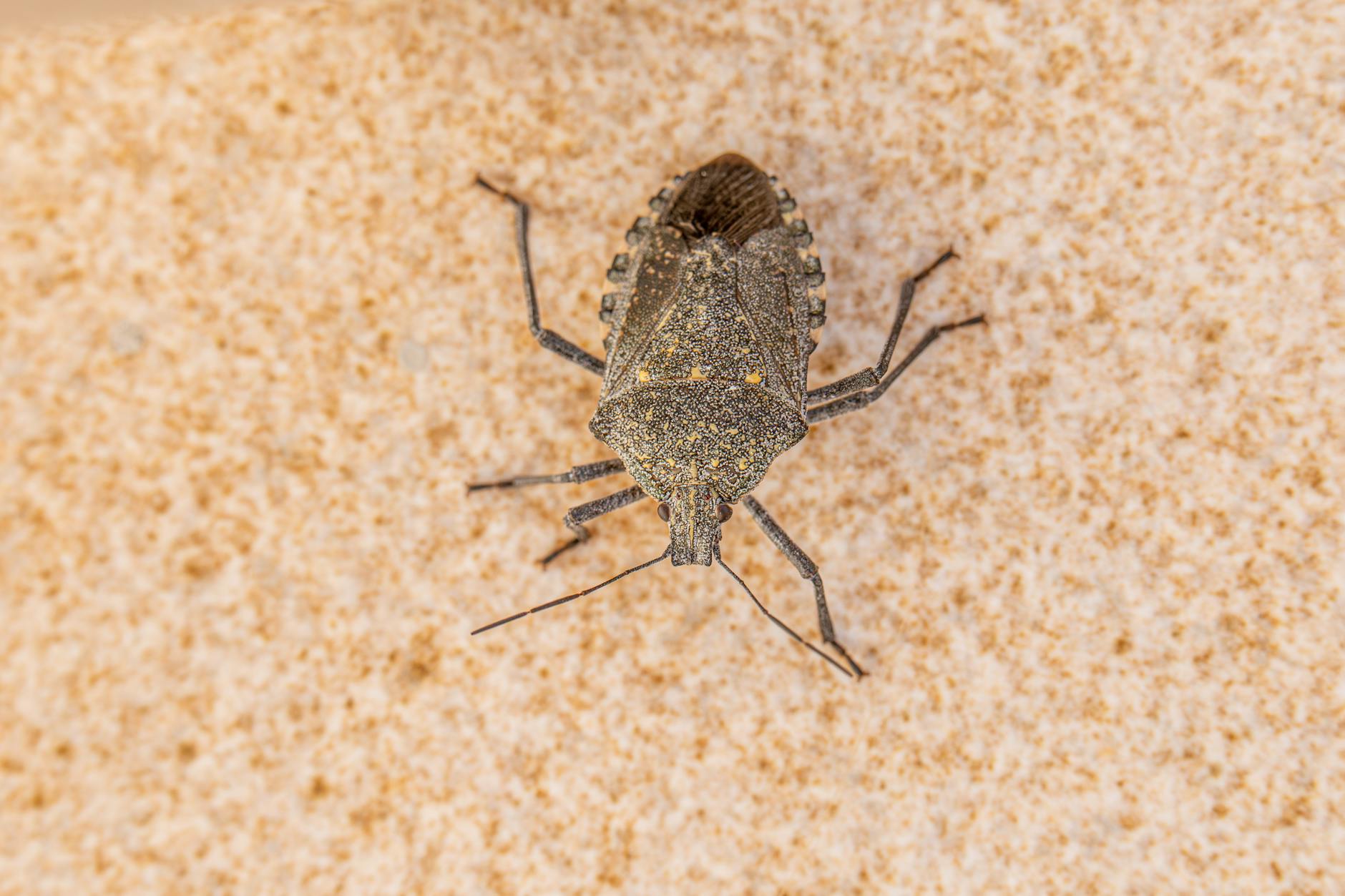
Brown marmorated stink bug nymphs change appearance as they grow. According to the EPA, newly hatched nymphs have dark red eyes and a yellowish abdomen mottled with black and red. Older nymphs are darker overall, with distinctive black and white bands on the legs and antennae. Like other stink bug species, all nymphs lack wings.
Adults are shield-shaped with mottled brown coloring. Distinguishing nymphs from adults matters because wingless nymphs stay close to where they hatch, while winged adults can travel toward structures as temperatures drop.
How to Spot Stink Bug Activity Inside Your Home
Stink bugs do not feed or breed inside homes. They become a nuisance because of their presence and the odor they produce, particularly when disturbed during warmer, sunny periods throughout the winter and spring. If you notice a distinct smell or see shield-shaped insects on interior walls or near windows during a warm spell, stink bugs may have already found their way inside.
Where Stink Bug Activity Shows Up Around Homes
In the wild, brown marmorated stink bug adults spend the winter months in cracks or under the peeling bark of older or dead trees. Homes mimic these natural sheltering spots. Look for stink bugs congregating on sun-warmed exterior walls, around window frames, and near rooflines where warmth radiates outward.
Because they seek tight, protected gaps similar to tree bark crevices, any narrow opening on your home’s exterior can attract them.
Exterior Entry Points Stink Bugs Use
Adult brown marmorated stink bugs can enter homes through cracks and crevices, much like other structure-invading pests. Common access points include gaps around door frames, foundation joints, and openings where utility connections pass through walls.
According to Purdue Extension, mechanical exclusion is the best method to keep stink bugs from entering homes and buildings. Sealing these exterior gaps before stink bugs begin seeking shelter can reduce indoor encounters throughout the cooler months.
Why Stink Bug Problems Develop
Brown marmorated stink bugs need somewhere warm to spend the winter, and they most often do this in people’s homes. This overwintering instinct is the main reason stink bug prevention problems develop for Michigan homeowners each fall. Understanding what draws them to your property and how they get inside can help you stay ahead of the issue.
Outdoor Nesting Areas for Stink Bugs
Brown marmorated stink bugs can be found in leaf litter and vegetation outdoors, according to the EPA. These areas provide temporary cover as the bugs prepare to move toward structures in early autumn. Yards with dense ground cover or accumulated debris may harbor stink bugs before they begin clustering on nearby walls and siding.
Food and Shelter That Attract Stink Bugs
Stink bugs cause plant damage during warmer months, feeding on a range of crops and ornamentals. Some stink bug species, such as Florida predatory stink bugs, are beneficial predators that feed on plant-eating insects including beetles and caterpillars. However, the brown marmorated stink bug is an invasive species, first reported in the United States in Pennsylvania in 1996, that causes both plant damage and nuisance problems around homes.
Adults often seek shelter to overwinter inside houses and other buildings. While large infestations can be bothersome, they do not bite people or animals, nor do they damage buildings.
How Stink Bugs Move Around Homes
In the fall, brown marmorated stink bugs cluster on the sides of homes and work their way inside to spend the winter. Unlike some other stink bug species, the brown marmorated stink bug prefers to overwinter in homes rather than in natural shelters. This clustering behavior can bring large numbers of bugs to a single structure over a short period.
Trails and Entry Points Stink Bugs Use
During early autumn, brown marmorated stink bugs can often be found on the outsides of buildings or inside near doors, windows, and other entry points. These gaps give the bugs a direct path from exterior walls into your living space. Addressing these vulnerable spots before fall arrives is a key part of any stink bug prevention plan for your home.
Risks From Stink Bug Infestations
Understanding the risks stink bugs pose helps you focus your prevention efforts where they matter most. While these pests are not dangerous to people, they can create persistent nuisance problems indoors and may threaten certain plants outdoors. Here is what Michigan homeowners should keep in mind.
Health Risks Linked to Stink Bugs
Stink bugs do not bite, sting, or transmit disease to people. According to Purdue Extension, they do not feed or breed inside homes. The primary concern is the unpleasant odor they release when disturbed, which can linger on surfaces and become noticeable when multiple pests are present.
Because there is no direct health threat, prevention tips for stink bugs focus on keeping them out of your home rather than protecting you from bites or illness. Still, the odor can be a genuine quality-of-life issue when these pests gather in large numbers.
Property Damage From Stink Bugs
Brown marmorated stink bugs primarily damage fruit and are a serious pest of many fruit and fruiting vegetable crops. If you grow fruit trees, berry bushes, or fruiting vegetables on your property, these pests can cause real harm to your harvest.
As UC IPM notes, the amount of damage brown marmorated stink bugs may cause to garden plants has yet to be fully determined and may depend on your region’s climate and nearby host plants. This means the outdoor risk can vary from one yard to the next.
Food Areas and Stink Bug Activity
Inside your home, stink bugs are not after your stored food. Their presence near kitchens, pantries, or dining areas is incidental rather than driven by a food source. The real nuisance is the odor they produce when disturbed or crushed, which can be especially unwelcome around areas where you prepare or enjoy meals.
Outdoors, however, fruiting crops and vegetable gardens can attract these pests. Keeping an eye on garden beds and fruit-bearing plants is an important part of any prevention plan.
When to Look Closer at Stink Bug Activity
Pay attention if you notice stink bugs appearing indoors during warmer, sunny stretches in winter or spring. That activity typically means the pests have already found their way inside and are becoming active with rising temperatures.
Outdoors, watch fruiting plants for signs of feeding damage. Early attention to garden activity can help you decide whether additional steps are needed to protect your plants.
Professional Pest Control for Stink Bugs
Managing brown marmorated stink bugs around your Michigan home starts with practical prevention steps and a clear understanding of when professional help makes sense. Delete this sentence.
How to Reduce Attractants for Stink Bugs
One of the simplest steps you can take is using a hand-held vacuum dedicated to catching stink bugs. According to UC IPM, this approach can reduce numbers with routine use. Keeping a dedicated vacuum for this purpose avoids transferring odors to your everyday cleaning equipment.
Consistency is key. Vacuuming stink bugs as you spot them, rather than waiting for numbers to build, helps keep the situation manageable throughout the season. Empty the vacuum canister after each use.
Why Stink Bug Control Starts With Inspection
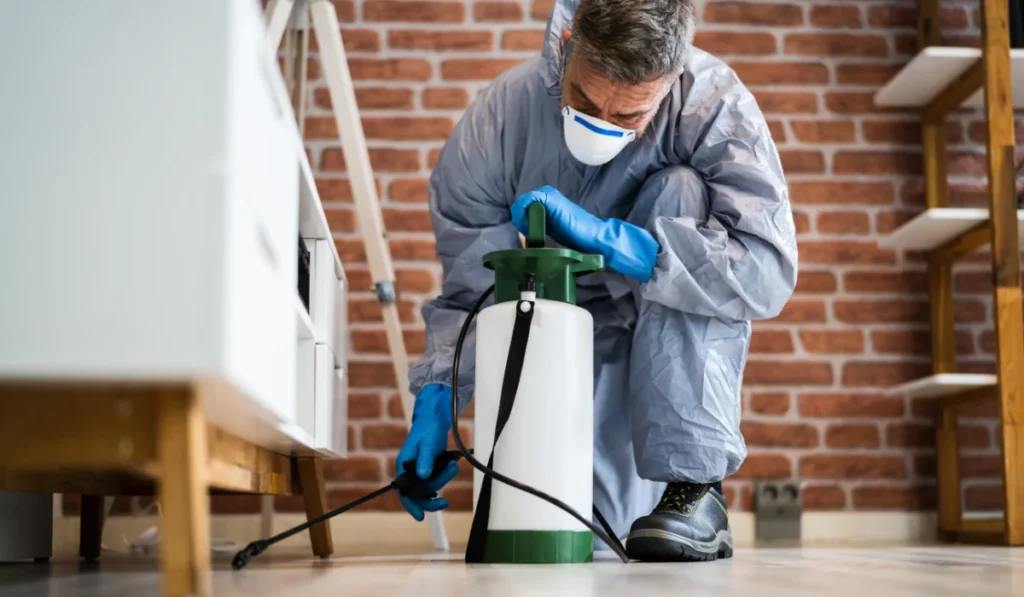
An inspection helps determine where stink bugs may be entering your home. Pest Pros of Michigan uses an Integrated Pest Management approach, which means identifying the conditions that contribute to the problem before deciding on the right response.
As UC IPM notes, the garden impact of these pests can vary by location. An inspection gives your service professional the context needed to recommend the most appropriate next steps for your property.
What to Expect During Professional Stink Bug Treatment
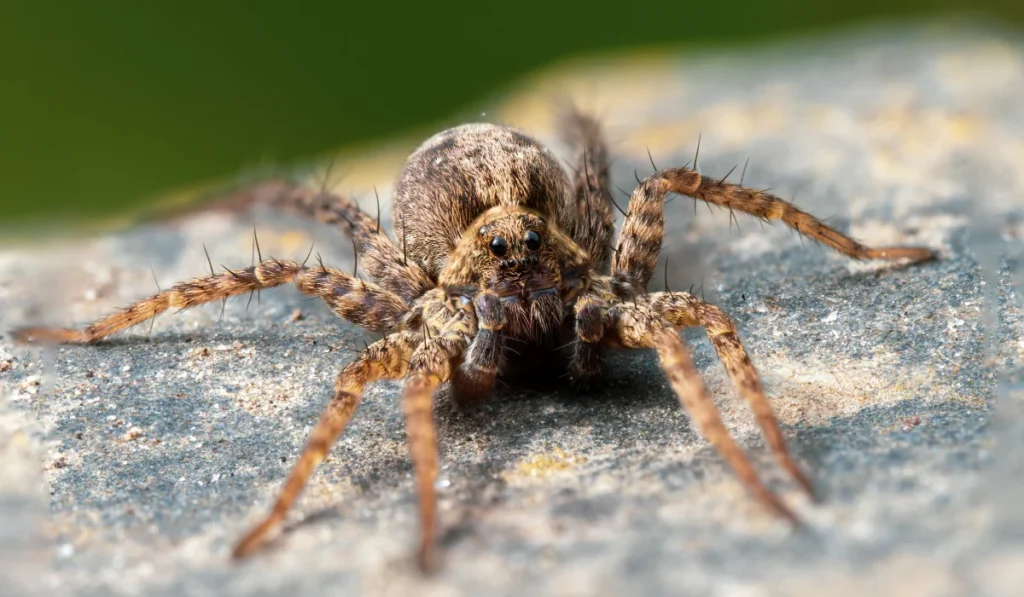
Pest Pros of Michigan offers exterior perimeter treatment of the structure, which covers stink bugs along with ants, spiders, crickets, earwigs, centipedes, millipedes, silverfish, boxelder bugs, and Asian lady beetles. Interior service is available upon request or when needed to gain control.
Pricing options include the Home Pro-GPC at $49 per month or $149 per quarter for exterior-only coverage. The Home Pro Plus+ plan runs $59 per month or $179 per quarter and adds interior service upon request. The Home Pro Premium plan at $79 per month or $249 per quarter includes exterior and interior treatment every visit. An initial fee of $179 applies to all packages, plus the cost of stations.
What to Expect From a Stink Bug Control Plan
A stink bug control plan from Pest Pros of Michigan focuses on the exterior perimeter of your home, where these pests are most likely to gather. Regular service visits help address stink bugs along with other common household pests covered under the same plan.
If you suspect you have brown marmorated stink bugs, the EPA recommends reaching out to your State Department of Agriculture, University Diagnostic Laboratory, or Cooperative Extension Service for further advice on treatment and control. Your Pest Pros service professional can help you understand what you are seeing and guide your next steps.
Between professional visits, continuing to vacuum stink bugs with a dedicated hand-held unit on a set schedule remains one of the most practical things you can do to keep numbers down inside your home.
Bottom Line on Preventing Stink Bugs
Stink bugs do not bite people or animals, and they do not breed indoors. Their main concern is the nuisance they create when they gather inside your home and the odor they release when disturbed. Mechanical exclusion remains the best approach to keeping them out. Sealing entry points, maintaining tight-fitting screens, and addressing gaps around your home’s exterior go a long way toward reducing indoor encounters.
If stink bugs are already overwintering inside your walls or showing up in large numbers, Pest Pros of Michigan can help with an exterior perimeter treatment through our General Pest Control service. Contact us to discuss which plan fits your home.
Frequently Asked Questions
Do Stink Bugs Cause Damage Inside the Home?
Stink bugs do not feed or breed indoors, so they do not cause structural damage. Their main drawback is the unpleasant odor they produce when disturbed or crushed. Large numbers gathering inside can be a nuisance, but they are not harmful to people, pets, or household materials.
Why Do Stink Bugs Come Inside?
Adult stink bugs seek sheltered overwintering sites as temperatures drop. Homes offer similar shelter to the tree bark crevices they use in the wild, through gaps around windows, doors, and utility openings. They may become noticeable again on warmer, sunny days during winter and spring as they stir from hiding spots.
Can I Handle Stink Bugs on My Own?
You can reduce indoor activity by focusing on exclusion. Check that windows and doors fit tightly, confirm screens are in good condition, and seal gaps where pipes and cables enter your home. Removing individual stink bugs by hand or with a vacuum is a practical short-term step, though dispose of the vacuum bag right away to avoid lingering odor.
What Service Covers Stink Bugs?
Stink bugs are included under Pest Pros of Michigan’s General Pest Control service. The exterior perimeter treatment covers stink bugs along with ants, spiders, crickets, and other common household pests. Interior service is available upon request when needed.

 Serving Michigan since 2018
 Pest-free guarantee
 Small, local business
 10+ years of pest control experience
 President and CEO of Pest Pros of Michigan
 Resident of Michigan