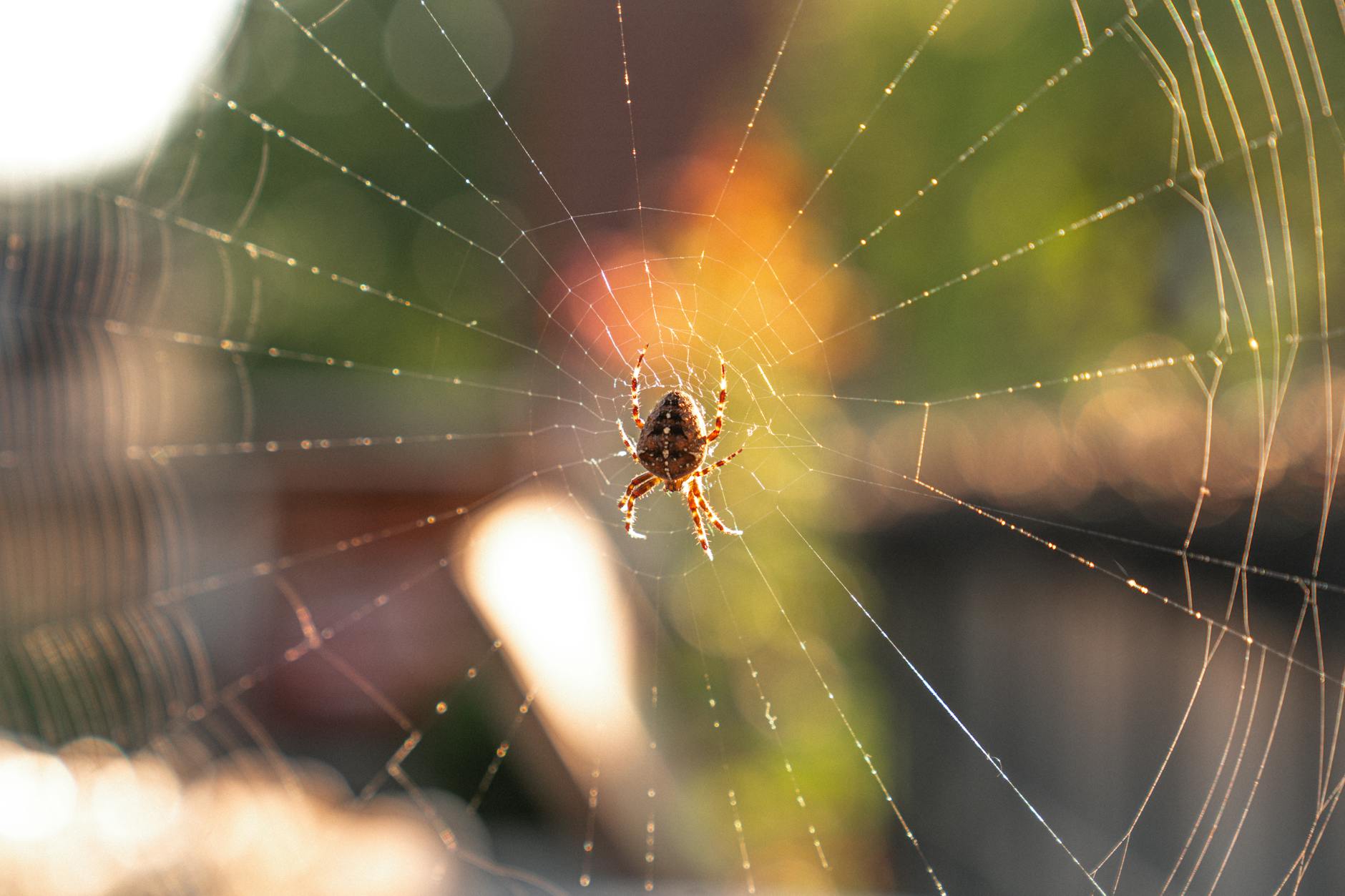
You step outside after sunset and notice webs stretched between porch railings, around outdoor lights, and across shrubs near your front door. A few days later, even more webs have appeared around windows, siding, and landscaping beds. If you’re wondering, why are there so many spiders outside my house, the answer usually comes down to food, shelter, and seasonal conditions that make your property an ideal place for spiders to live and hunt.
In Michigan, spider activity often increases during certain times of the year as insect populations grow and outdoor conditions change. In this guide, you’ll learn what attracts spiders to the exterior of your home, which areas are most likely to draw them in, and what steps you can take to reduce spider activity around your property.
Why Are There So Many Spiders Outside My House?
Yes, a large number of spiders around your home’s exterior is common and usually tied to conditions that support them. Spiders gather where they can find shelter and a steady supply of food, so the area around your house can become a prime spot for them to settle.
Understanding which spiders you are seeing, what draws them to your property, and whether any pose a concern can help you decide on next steps. In the sections ahead, we cover how to identify common spiders, what risks they may or may not present, practical prevention steps you can take on your own, and when a professional exterior perimeter treatment from Pest Pros of Michigan may be worth considering.
How to Identify Spiders Outside My House
Yes, finding a noticeable number of spiders around the exterior of your home is common. In most cases the spiders you see are virtually no real threat, even though they can look alarming. Proper identification helps you understand what you are actually dealing with and whether any of the spiders present deserve closer attention.
How to Tell Spider Types Apart
One of the biggest challenges is telling species apart. Many homeowners worry they have brown recluse spiders when the spider in question is actually a different, harmless species. According to UC IPM, many spiders that are virtually no real threat are submitted to arachnologists for identification because of widespread misinformation about certain species.
If you suspect a brown recluse, look for specific physical traits. According to Texas A&M AgriLife Extension, brown recluse spiders are light brown to greyish in color with slender legs spanning approximately a quarter to half-dollar in size. Two key identifying features set them apart from lookalikes.
How to Spot Spider Activity Inside Your Home
Spiders that gather in large numbers outside your house may occasionally find their way indoors. Look for webbing in corners, along baseboards, or near windows. Keep in mind that many of the spiders you encounter are likely harmless species that simply resemble more concerning ones.
Before assuming you have a dangerous spider indoors, compare what you see against known identifying traits like body color, leg length, and eye arrangement. Misidentification is very common among homeowners.
Where Spider Activity Shows Up Around Homes
Outside, spiders tend to build webs or rest in sheltered areas such as eaves, porch ceilings, window frames, and siding gaps. These spots offer cover and access to the areas where spiders position themselves. Noticing webs or egg sacs in these zones is a reliable sign of ongoing activity.
Exterior Entry Points Spiders Use
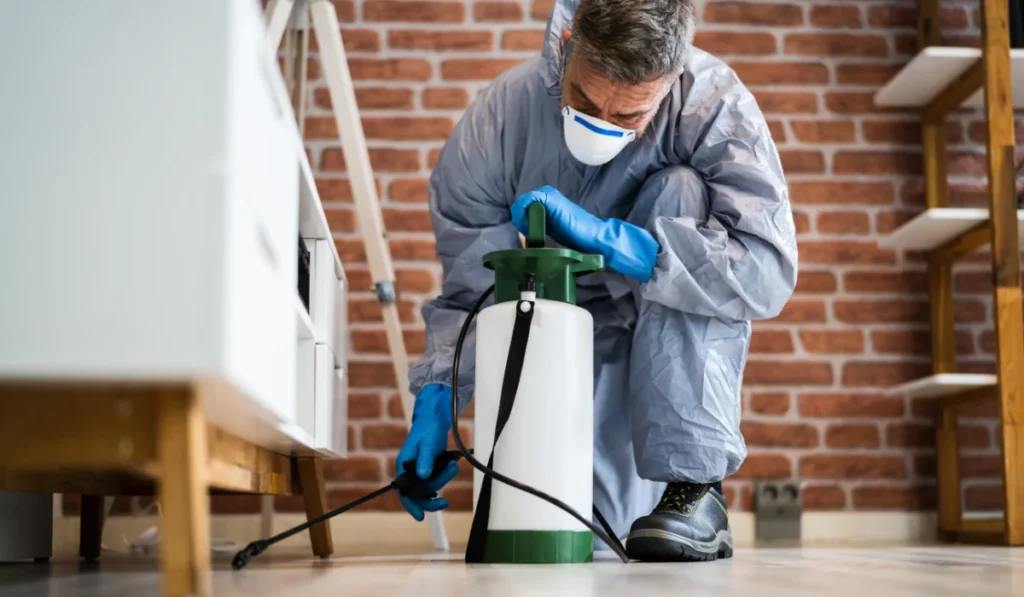
Gaps around doors, windows, utility penetrations, and foundation cracks can serve as access points. Pest Pros of Michigan addresses this through exterior perimeter treatment of the structure, which covers spiders along with ants, crickets, earwigs, centipedes, millipedes, stink bugs, silverfish, boxelder bugs, and Asian lady beetles. Interior service is available upon request or when needed to gain control.
Why Spider Problems Develop
Food, dark hiding spots, and features that draw insects all contribute to spider activity near your walls, eaves, and foundation.
Outdoor Nesting Areas for Spiders
Spiders tend to settle in dark, undisturbed areas. According to Kansas State University Extension, brown recluse spiders hide in dark, undisturbed spaces and come out at night to roam in search of food. Exterior spots that go untouched for long stretches, such as stacked items or quiet corners under overhangs, can become attractive resting areas during daylight hours.
Food and Shelter That Attract Spiders
Spiders follow their food. Many are night feeders attracted to water, irrigated areas, or outside lights where food prey such as beetles, cockroaches, crickets, moths, and other insects gather as well. When your exterior lighting or landscape irrigation draws insects, spiders will set up nearby to take advantage of the concentrated food supply.
Some spiders consume pest species such as cockroaches, moths, and flies. A steady population of these insects around your home can support a noticeable number of spiders over time.
How Spiders Move Around Homes
Spiders can be persistent once they settle in. As Purdue Extension notes, most spiders can live for several months without food, so simply reducing the insect population nearby is a very slow control technique. Even when prey becomes scarce, spiders already established around your home may remain in place for an extended period.
At night, spiders actively roam in search of food. As daylight approaches, they look for dark areas to hide, which can bring them closer to walls, door frames, and other structural features of your home.
Trails and Entry Points Spiders Use
Exterior lights are one of the biggest draws. Outside lights attract beetles, moths, crickets, and other insects that serve as food for spiders. The brighter and more consistent the light source, the more insect activity it can generate near your doors and windows.
Water features and irrigated areas create similar conditions by concentrating insects close to your home. These gathering points become reliable feeding zones, and spiders position themselves along the paths insects travel to reach them.
Risks From Spiders Outside My House
A large spider population around your home is not typically dangerous, but it does deserve attention. Most spiders wander toward structures while hunting for prey or mates rather than trying to establish themselves inside. Still, higher numbers around your exterior walls and entry points can raise a few concerns worth understanding.
Health Risks Linked to Spiders
Spiders are not aggressive toward people. However, according to Mississippi State University Extension, some spiders can produce a sharp, pinprick-like bite when trapped against the skin. This usually happens when you reach into areas where a spider is resting and accidentally press it against your body. The risk increases when spider numbers are high because encounters become more likely.
Spiders feed on insects and other arthropods, including other spiders. The brown recluse, for example, can also scavenge prey that is already dead. A yard full of pests creates a food supply that draws more spiders closer to your living spaces.
Property Damage From Spiders
Spiders themselves do not cause structural damage to your home. Their main impact is the accumulation of webbing around your exterior. Many spiders build webs that they return to during daylight hours or use to protect their egg sacs. Over time, layered webbing on siding, eaves, and porches becomes a visual nuisance that requires regular cleanup.
Food Areas and Spider Activity
The real concern is what all those spiders are feeding on. A high spider count signals a thriving population of other pests nearby. Ground beetles and other insects are attracted to exterior lights and may gather around your home, as Kansas State University Extension notes. These light-attracted pests serve as a food source that keeps spiders returning to the same areas night after night.
Exterior lights positioned close to the house can draw insects right to your walls and doorways. Unsealed openings and crevices leading to the attic, crawl space, and outside give both spiders and their prey easy paths indoors.
When to Look Closer at Spider Activity
Pay closer attention when you notice spider numbers growing steadily or when webbing appears in new areas around your home. A rising spider population often reflects a broader pest issue worth investigating. Sealing entry points and adjusting outdoor lighting can reduce the insects that draw spiders to your exterior in the first place.
Professional Pest Control for Spiders
Large spider populations around your home typically indicate abundant insect prey nearby. Spiders gather where food is plentiful, so reducing the insects they feed on is the foundation of any lasting approach to spider management. Below are the steps Pest Pros of Michigan uses, along with what you can do on your own, to bring those numbers down.
How to Reduce Attractants for Spiders
Because spiders follow the insects they eat, your first move is cutting down on what draws those insects to your exterior walls. According to Mississippi State University Extension, you can reduce the number of insects attracted to exterior lighting by using yellow bug lights or sodium vapor lights rather than mercury vapor lights. Turning off exterior lights when they are not needed also helps.
Sealing entry points does double duty. Many spiders may be excluded from the home by caulking or otherwise closing cracks and crevices around the foundation, windows, and doors. Fewer insects getting inside means fewer spiders following them in.
Anything you do to exclude insects from the structure will also help reduce spider populations around and inside the home. That includes keeping door sweeps in good condition and making sure window screens are intact.
Why Spider Control Starts With Inspection
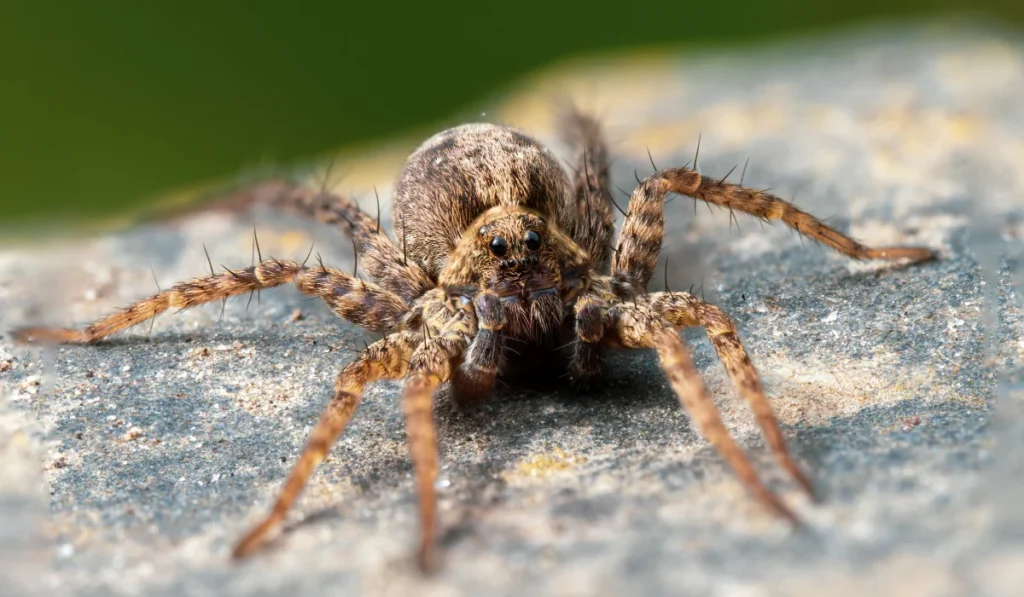
A thorough inspection helps identify the insect prey sources that are sustaining the spider population. Wolf spiders, for example, are ground-inhabiting spiders that do not build webs but wander across the ground in search of prey. Spotting where these wandering spiders concentrate tells a service professional where insect activity is highest.
Some spiders you see may not be what they appear. Certain long-legged, slender-bodied, light brown spiders are often mistaken for brown recluse spiders. Proper identification during an inspection keeps the treatment approach focused on the right concerns.
What to Expect During Professional Spider Treatment
Interior service is available upon request or when required to gain control.
Because brown recluse spiders and American house spiders are insect predators, the perimeter treatment targets the insects that support spider populations. Reducing that prey base is a core part of the integrated approach.
What to Expect From a Spider Control Plan
Pest Pros of Michigan offers several ongoing plan options. Home Pro-GPC provides exterior-only coverage at $49/month or $149/quarter. Home Pro Plus+ runs $59/month or $179/quarter and adds interior service upon request, with optional rodent control or termite monitoring for $10/month or $30/quarter, and includes a lifetime warranty on exclusion.
Home Pro Premium, at $79/month or $249/quarter, includes exterior and interior service every visit along with rodent control and termite monitoring, plus the same lifetime warranty on exclusion. An initial fee of $179 applies to all packages, plus the cost of stations.
Consistent perimeter treatment paired with the attractant-reduction steps above helps address the insect prey that keeps spider numbers high around your home.
Bottom Line on Spiders Outside Houses
Spiders gather around your home’s exterior because they find food, shelter, and entry points there. Outdoor lighting can draw insects, which in turn draws spiders looking for prey. Reducing those attractants, sealing cracks and crevices around your foundation, windows, and doors, and keeping debris cleared away from the perimeter can all help lower spider numbers over time. Keep in mind that spiders can survive months without food, so reducing their prey is a gradual process rather than an overnight fix.
If spider activity around your home feels like more than you want to manage on your own, contact Pest Pros of Michigan for an exterior perimeter treatment to help bring numbers down.
Frequently Asked Questions
Should I Be Worried About Spiders Around the Outside of My House?
Most spiders found around homes are not aggressive and can actually be beneficial because they feed on other pest insects. While some species can deliver a pinprick-like bite if trapped against your skin, outdoor spiders are generally low-risk and tend to avoid contact with people.
Will Turning Off My Porch Lights Reduce Spiders?
It can help. Standard outdoor lights attract flying insects, which become a food source for spiders. Switching to yellow-toned bulbs or moving fixtures away from the house may reduce the number of insects gathering near your walls and, over time, make the area less appealing to spiders.
How Do I Keep Spiders From Moving Indoors?
Anything you do to exclude insects from entering your home also helps reduce indoor spider populations, since spiders follow their prey.
How Long Does It Take to See Fewer Spiders After Treatment?
Because spiders can survive for several months without eating, reducing their food supply or applying a perimeter treatment is a gradual process. Consistent upkeep of sealing entry points and managing outdoor lighting supports long-term results alongside professional service.

 Serving Michigan since 2018
 Pest-free guarantee
 Small, local business
 10+ years of pest control experience
 President and CEO of Pest Pros of Michigan
 Resident of Michigan