As the snow melts and temperatures start to climb across Michigan, you may notice more than flowers and green grass returning. Ant trails begin appearing along foundations, mosquitoes emerge around standing water, and rodents that sheltered indoors through winter start moving more actively around homes and businesses. This seasonal increase in spring pest activity happens as pests respond to warmer weather, longer days, and new food sources.
Understanding which pests become active in spring can help you identify problems early and reduce the risk of larger infestations later in the season. In this guide, you’ll learn which Michigan pests are most active during spring, why their activity increases, and what steps you can take to protect your property as the weather warms up.
Key Takeaways About Spring Pest Activity
- Warmer spring temperatures and increased moisture can prompt overwintering pests to become active again around your home and yard.
- Knowing which pests to watch for in spring, from ants and spiders to mosquitoes, helps you spot early signs before populations grow.
- Addressing entry points such as cracks, crevices, and moisture problems around your home is a practical first step in spring pest prevention.
- Different pests call for different control approaches, so accurate identification is the foundation of any pest management plan.
How to Identify Spring Pest Activity
As soil and air temperatures rise in spring, several pests become more active around homes. Knowing what to look for and where to check can help you catch early signs before a small presence turns into a larger concern. Below is a breakdown of common spring pests and the clues they leave behind.
How to Tell Spring Pest Types Apart
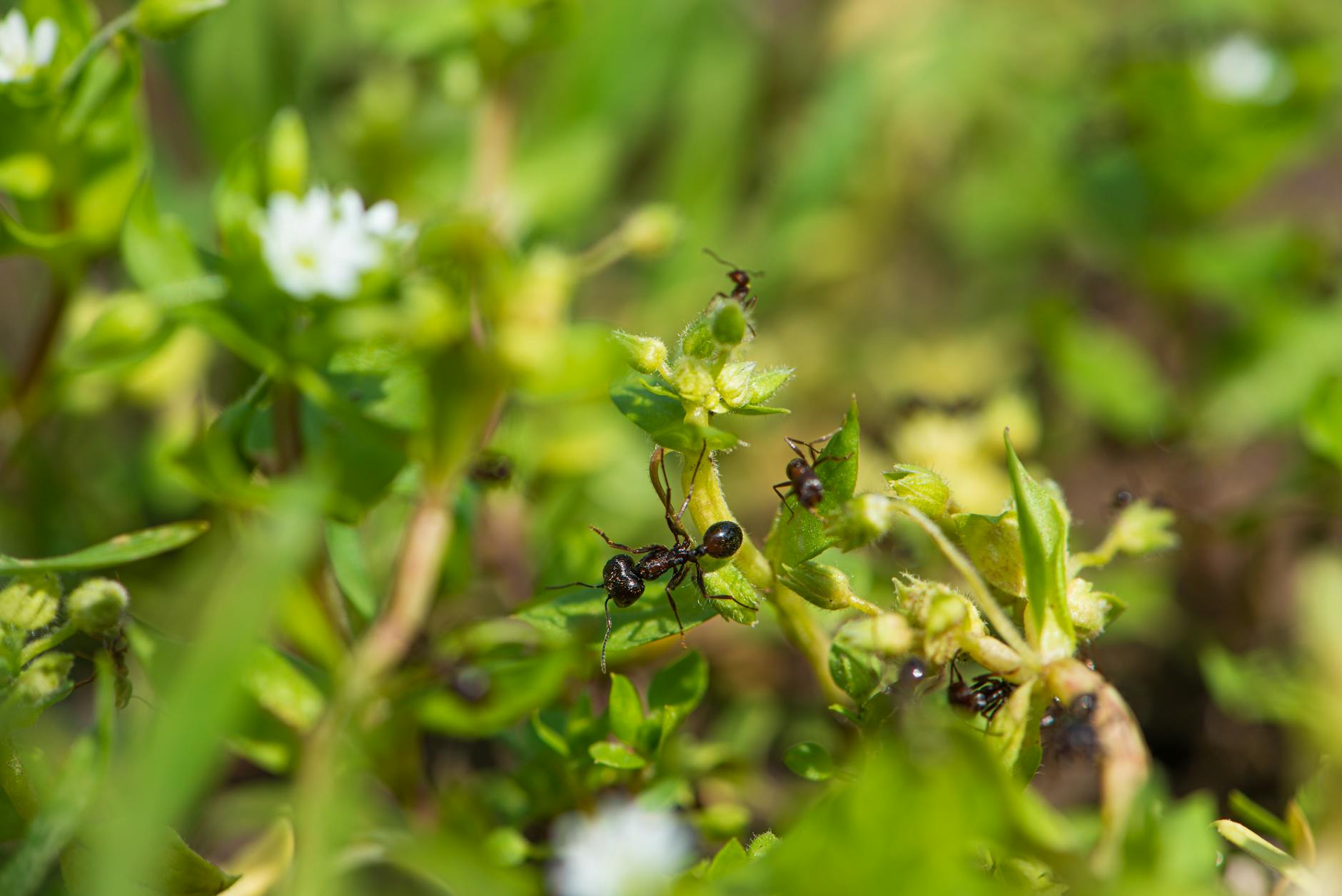
Homeowners usually spot carpenter ants indoors in the spring. These large, dark ants often appear along baseboards, countertops, or near wooden structures. If you spot carpenter ants indoors during winter, that typically means there is a nest inside your home. Seeing them once warmer weather arrives may point to outdoor colonies foraging inside.
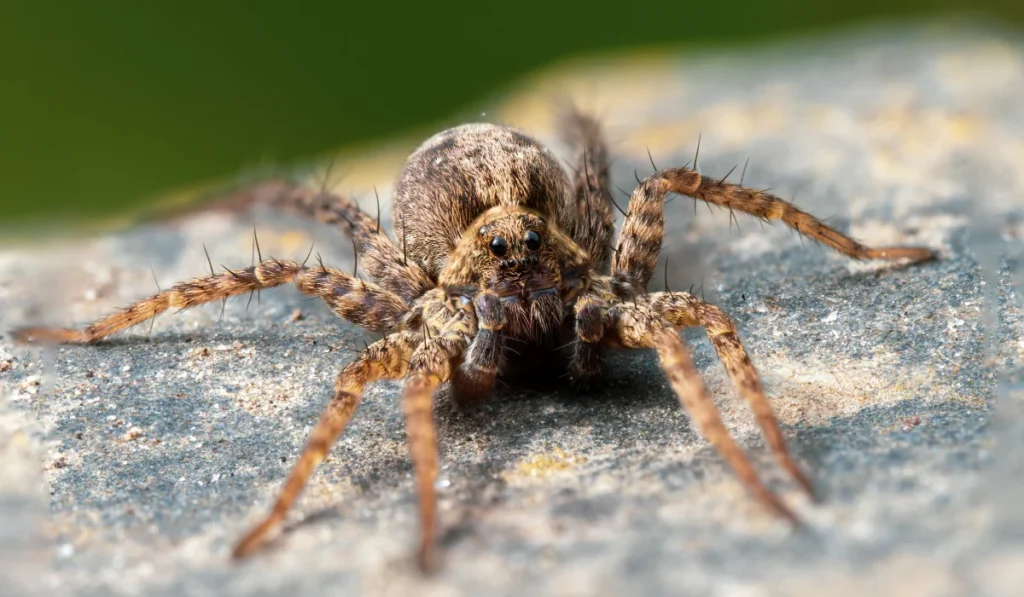
Brown recluse spiders appear most often during spring. According to Texas A&M AgriLife Extension, brown recluse spiders are active from spring through the fall outdoors but can be active year-round in climate-controlled spaces such as homes, attic or storage areas, and garages. Brown recluse spiders can be difficult to distinguish from other common house spiders, so consider consulting a pest control professional if you suspect their presence.
Fire ant foraging activity is driven primarily by soil temperature. As the soil warms up, these ants become more active, which can lead to more frequent encounters with humans and pets. Look for visible soil mounds in your yard, which may indicate active fire ant colonies.
How to Spot Spring Pests Inside Your Home
Inside, spring pest signs often appear in quiet, undisturbed areas. Brown recluse spiders may show up in storage areas, garages, and attics where conditions remain relatively stable. Carpenter ants may appear along interior walls and near wooden structures inside your home.
Regular inspections can help you identify potential risk factors for pest activity, such as cracks, crevices, or moisture problems, and take preventive measures. Walk through storage spaces and lesser-used rooms each spring to look for live pests or signs of their presence.
Where Spring Pests Show Up Around Homes
Outdoors, fire ant mounds often appear in sunny, open sections of your yard as soil temperatures climb. Carpenter ants may be found near woodpiles, tree stumps, or landscaping timbers close to your home. Brown recluse spiders can be active in garages and outdoor storage structures during warmer months.
Exterior Entry Points Spring Pests Use
According to Texas A&M AgriLife Extension, regular inspections allow homeowners and pest control professionals to spot risk factors such as cracks, crevices, or moisture problems that attract pests. Gaps around doors, foundation seams, and utility openings are common paths pests follow into a structure. Checking these areas each spring helps you address vulnerabilities before pests move inside.
Why Spring Pest Activity Problems Develop
When spring temperatures rise and moisture increases, over-wintering arthropods receive the signal to emerge. These favorable conditions bring a range of pests in and around your home during the season. Understanding what draws them closer helps you stay a step ahead.
Outdoor Nesting Areas for Spring Pests
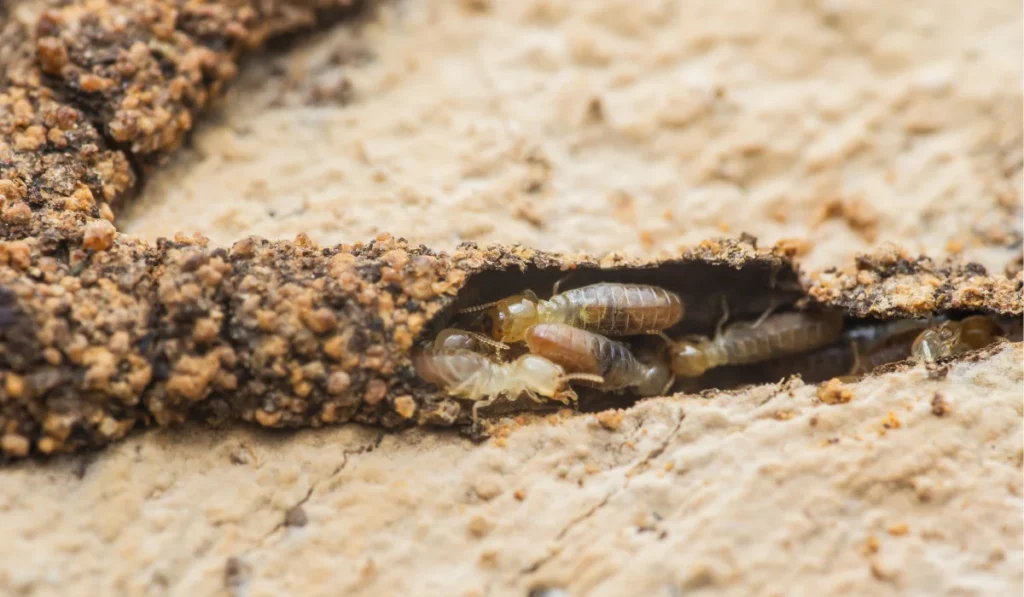
Many pests begin building or expanding their nesting sites as soon as warm weather arrives. Bald-faced hornets, for example, are social insects that start a new nest each spring, and that nest grows throughout the season. Their large, gray, papery nests are usually located in trees and shrubs. Subterranean termites may also become visible in spring through swarms of winged reproductives and the presence of shelter tubes near structures.
Food and Shelter That Attract Spring Pests
Food, water, and shelter are the foundations of every pest problem. Many pests are attracted to areas where food and water are available, so proper sanitation can help reduce potential food sources around your home. Carpenter ants, for instance, tend to stay active near accessible food sources. Keeping those resources limited is one of the most practical steps you can take.
How Spring Pests Move Around Homes
Rising temperatures and increased moisture during spring will signal arthropods to leave their overwintering spots and move toward your home. According to Kansas State University Extension, clover mites may invade homes in the spring when their host plants become scarce, whether from population overload or because plants die off. You may also see a few adult larder beetles indoors in spring, though this does not necessarily mean there is an infestation; they may have simply come in from the outdoors.
Trails and Entry Points Spring Pests Use
Pests follow the path of least resistance toward food and shelter. Subterranean termites build shelter tubes along foundations and tunnel into wood to reach interior structures. Crane flies can become a nuisance when they enter homes, even though they are not harmful. Keeping an eye on the exterior of your home for shelter tubes, nesting activity, and gaps where pests may enter gives you a clearer picture of where spring pest activity starts.
Risks From Spring Pest Activity
As temperatures climb, several pests become more active around your home. Some pose health concerns, others create nuisance problems, and a few can affect the areas where you store and prepare food. Understanding these risks helps you stay ahead of seasonal pest pressure.
Health Risks Linked to Spring Pests
Mosquitoes are among the first pests to ramp up in spring. According to Texas A&M AgriLife Extension, whether a mosquito represents just an annoyance or a possible disease vector likely depends on environmental conditions. That means the health risk in your yard can vary from season to season and even property to property, making it worth paying attention to mosquito presence early.
Some spring pests are less worrisome from a health standpoint. Pillbugs, sometimes called roly-polies, are common arthropods that are generally no real threat. They may become more active as spring temperatures rise and can occasionally appear around the home, but they do not pose a notable health threat.
Property Damage From Spring Pests
Certain pests that become active in late winter or early spring can build large populations within weeks. As Kansas State University Extension notes, some insects develop through multiple generations within a single season, and populations can grow around host plants near your property. When numbers surge, these pests can migrate toward structures and become difficult to manage without early attention.
Argentine ants, which are not native to the United States, move indoors during winter to escape cold temperatures. As spring arrives, colonies that sheltered inside your home may already be well established, increasing the chance of ongoing indoor activity.
Food Areas and Spring Pest Risks
Ants that moved indoors over winter may continue foraging in kitchens and pantries as spring begins. Argentine ants in particular can persist indoors after seeking warmth during colder months. Keeping food-preparation and storage areas clean reduces the appeal for pests already present inside your home.
When to Look Closer at Spring Pest Activity
The transition from late winter to early spring is when many pests begin stirring. Mosquito activity can rise noticeably with warming temperatures, and insects that overwintered near your foundation may start appearing indoors. If you notice pests becoming more visible around entry points or gathering near the exterior of your home, it is worth investigating further before populations have a chance to grow.
Professional Pest Control for Spring Pest Activity
When spring arrives in Michigan, pest activity picks up as temperatures rise and insects become active again. Knowing how to prepare your property and when to bring in professional pest control can make a real difference in preventing infestations before they take hold.
How to Reduce Attractants for Spring Pests
Maintaining a clean and well-kept landscape around your home can help preserve your property’s value by preventing pest infestations that can cause structural damage. Keeping vegetation trimmed, removing debris near the foundation, and addressing standing moisture all reduce the conditions that draw pests closer to your home during spring.
Exclusion is a key non-product approach to pest control. According to Texas A&M AgriLife Extension, it is an essential part of Integrated Pest Management (IPM), which emphasizes non-product control methods whenever possible. Sealing gaps around your home’s exterior helps keep pests from moving indoors as they become more active in spring.
Why Spring Pest Control Starts With Inspection
Spring inspections give you a head start on pest control. Different pests require different control methods, and some treatments that work for one type of pest may not work for another. An inspection of the foundation, eaves, and interior entry points helps identify which pests are present so the right approach can be matched to the situation.
Timing matters. For the most economical control of ants, for example, treating in early spring when populations are active but before they become heavy tends to produce better results. An inspection during this window helps determine the scope of activity and guides next steps.
What to Expect During Professional Spring Pest Treatment
Pest Pros of Michigan uses an Integrated Pest Management approach, which prioritizes non-product control methods whenever possible. This allows for targeted and ethical pest management strategies tailored to the specific pests found on your property.
An exterior perimeter treatment of the structure covers ants, spiders, crickets, earwigs, centipedes, millipedes, stink bugs, silverfish, boxelder bugs, and Asian lady beetles. Interior service is available upon request or when needed to gain control of an active issue inside the home.
What to Expect From a Spring Pest Control Plan
Pest Pros of Michigan offers several plan levels to fit your needs. The Home Pro-GPC plan covers exterior perimeter treatment at $49/month or $149/quarter. The Home Pro Plus+ plan adds interior service upon request at $59/month or $179/quarter, with optional add-ons for Rodent Control or Termite Monitoring at $10/month or $30/quarter and a lifetime warranty on exclusion.
The Home Pro Premium plan at $79/month or $249/quarter includes exterior and interior treatment every visit, along with rodent control and termite monitoring, plus a lifetime warranty on exclusion. An initial fee of $179 applies to all packages, plus the cost of stations.
Starting a control plan in early spring, when pest populations are active but still building, positions you ahead of potential infestations rather than reacting after they grow. A proactive plan matched to your home’s specific pest pressures helps keep your property in good shape throughout the season.
Spring Pest Activity: Bottom Line
As temperatures warm up, a range of pests can become more active around your home. Ants, spiders, stinging insects, and other arthropods may show up indoors or along your home’s exterior. Regular inspections help you spot potential risk factors before populations build. Different pests call for different control methods, so a targeted approach matters more than a one-size-fits-all treatment.
If you are noticing increased pest activity this spring, contact Pest Pros of Michigan to discuss a plan that fits your home.
Frequently Asked Questions
Why do pests seem more active in spring?
Warming temperatures signal many overwintering arthropods to leave their shelters and begin foraging. This seasonal shift can lead to more frequent sightings around foundations, entry points, and landscaping as pests search for food and shelter.
Which pests should I watch for around my home?
Ants, spiders, stinging insects, and occasional invaders such as stink bugs may appear during spring. Each pest has different habits and timing, so knowing what you are seeing helps determine the right response.
What can I do to reduce spring pest problems?
Focus on the basics: limit access to food, reduce standing water, and seal gaps where pests can enter. Keeping landscaping trimmed away from your home and storing firewood at a distance can also help reduce harborage areas.
When is the best time to start a pest control plan?
Addressing activity early in the season can help keep pressure lower through the warmer months. Pest Pros of Michigan offers monthly and quarterly service plans, with exterior perimeter treatment starting at $49 per month or $149 per quarter.
Addressing activity early in the season can help keep pressure lower through the warmer months. Pest Pros of Michigan offers monthly and quarterly service plans, with exterior perimeter treatment starting at $49 per month or $149 per quarter.

 Serving Michigan since 2018
 Pest-free guarantee
 Small, local business
 10+ years of pest control experience
 President and CEO of Pest Pros of Michigan
 Resident of Michigan