Have you ever wondered how bats enter homes? People who encounter these flying mammals often look for large holes or obvious damage in their homes. But the truth is, even tiny gaps can become bat entry points.
Understanding how small an opening bats need to enter Michigan homes helps you stop problems early. Bats are excellent at squeezing into tight spaces, especially when they are looking for a safe place to roost.
This guide explains what to look for, how you can address a bat problem, and when it’s best to get professional bat control services.
Key Takeaways
- A gap the size of a dime, or smaller, is enough for some bats to enter homes.
- Bats enter homes through openings, such as soffits, eaves, fascia boards, roof edges, ridge vents, shingles, and gaps near utilities and siding.
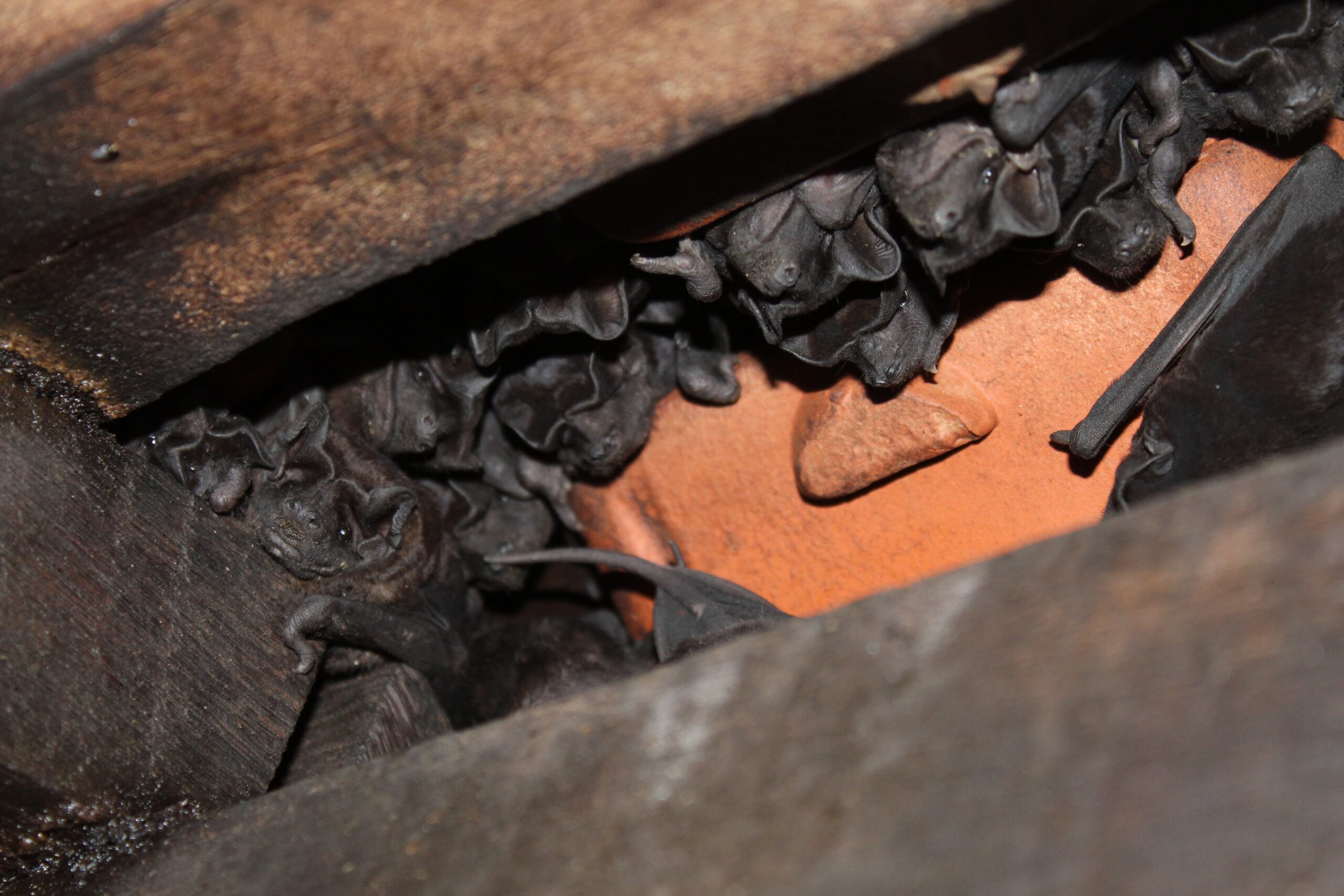
- Once inside, bats can form a roost, creating a bat infestation that may lead to bat guano (dried excrement) buildup and ongoing noise.
- Finding and sealing gaps is key to proper bat control, but a full inspection and an exclusion plan help keep your home bat-free.
How Small a Gap a Bat Can Use
Bats do not need much space to get inside, and small openings are often enough.
The Size of a Dime
Some bat species in Michigan, including the little brown bat, can fit through a hole the size of a dime, or even smaller openings around 1 ¼ by ⅜ inches.
Bats fit through these spaces because their bodies are flexible. They can flatten and push through gaps that look too small.
Small Gaps Along Rooflines
Gaps often form along eaves, soffits, and rooflines. Weather changes in Michigan can cause materials to shift and create these openings.
You may not see these gaps from the ground, but bats can find them quickly. These spots give them easy access to warm areas where they can form a roost, which they use for resting, breeding, raising their young, or hibernating.
Open Windows and Vents
An open window without a screen can let bats inside. This is more likely at night when bats fly and search for food.
Vents can also be an issue if they are not covered or maintained properly. Ridge vents and other openings without covers can lead straight into the attic. These entry holes are easy for bats to use.
Common Openings Bats Use on Homes
Knowing how small an opening bats need to enter Michigan homes is helpful. You also need to know where these openings are found.
- Soffits and Eaves: These areas can loosen over time, especially with changing seasons in Michigan. Bats prefer these spots because they lead directly into the attic, where they can stay hidden.
- Fascia Boards and Roof Edges: These can develop cracks or gaps as they age. Rub marks near these areas show where bats enter and leave the home.
- Ridge Vents and Shingles: Ridge vents help with airflow, but they can also let bats in if they are not sealed well. Loose shingles can create hidden entry holes, too.
- Gaps Near Utilities and Siding: These spots are easy to miss during a quick check, but different types of critters can use them to enter homes. Other nuisance wildlife, like raccoons and skunks, may use larger openings in the same areas.
What Small Entry Gaps Mean for Exclusion
Small openings make bat exclusion more detailed. Missing even one gap can allow bats to return.
Identifying All Entry Holes
Bat control starts with a full inspection. Every entry hole must be found and checked.
Looking for signs of a bat colony, such as bat droppings, rub marks, and airflow changes, can help locate these spots. This step helps stop bats and any other critters from using the same entry points.
Sealing Gaps With the Right Materials
Once you find the gaps, seal them the right way. You can use caulk for small gaps.
You must do this step at the right time. Sealing holes while bats are inside can trap them and cause more issues.
One-Way Eviction and Prevention
Bat removal often uses a one-way eviction method. This lets bats leave but keeps them from coming back.
After all bats have exited, entry points are sealed. This keeps the home bat-free while still protecting the ecosystem.
Get a Bat Entry Inspection in Michigan
Many homeowners only notice bats after seeing bat droppings or hearing scratching sounds at night. By that point, a bat infestation may already be established. So, if you have noticed any of these signs, it’s time to act.
A full wildlife control inspection looks beyond obvious damage and focuses on areas where bats commonly enter. Professional wildlife removal and pest control services also ensure that exclusion is handled correctly.At Pest Pros of Michigan, we provide professional bat removal services. Contact us now if you suspect bat activity in your home. We can help resolve the issue without unnecessary damage or repeat infestations.
FAQs
How small a hole can a bat fit through?
Some bats can fit through holes as small as the size of a dime. Their flexible bodies let them squeeze into tight spaces.
Where do bats usually enter a house?
Bats often enter through soffits, eaves, fascia boards, ridge vents, and shingles. These areas can form small gaps over time.
How do you prevent bats from getting inside?
Seal small gaps with caulk, repair damaged areas, and cover vents. A professional bat exclusion plan helps ensure all entry points are closed.

 Serving Michigan since 2018
 Pest-free guarantee
 Small, local business
 10+ years of pest control experience
 President and CEO of Pest Pros of Michigan
 Resident of Michigan