Rodents can move into Plainwell homes when they find warmth, food, shelter, and small openings around the exterior. Mice are the most common indoor concern, but rats, voles, squirrels, and other small mammals may also create problems around homes, garages, sheds, lawns, and outbuildings.
The key is knowing what kind of activity you are seeing. Droppings in a cabinet, scratching in a wall, gnaw marks near a garage door, and lawn tunnels do not all point to the same animal. A careful inspection helps identify the rodent, find entry points, and choose the right control plan.
Key Takeaways
Plainwell rodents, sorted by what to do
Droppings in a cabinet, scratching in a wall, and tunnels in the lawn do not all point to the same animal. Here is how Plainwell’s common rodents differ and how much each one calls for action.
House Mouse
CommonSmall and fast, able to squeeze through very small gaps.
Where Doors, garage frames, utility lines, vents, siding gaps, and foundation edges.
Rat
Fast attentionLarger than house mice, with bigger droppings and heavier gnaw marks.
Where Garages, sheds, trash areas, crawl spaces, basements, drains, and outdoor storage areas.
Deer Mouse
Look-alikeSimilar to house mice but often with a two-tone body and a lighter belly.
Where Garages, sheds, basements, crawl spaces, stored boxes, and seasonal properties near fields or woods.
Vole
Lawn damageWhere Lawns, landscaping, shrubs, tree bark, and garden areas – not kitchens.
Squirrel
WildlifeWhere Attics, walls, vents, soffits, and roofline gaps.
- Mice are a common indoor rodent issue in Plainwell homes.
- Rats are less common indoors but need fast attention when signs appear.
- Voles usually damage lawns and landscaping, not kitchens.
- Squirrels may cause attic or exterior damage.
- Professional control starts with inspection and entry-point identification.
House Mice
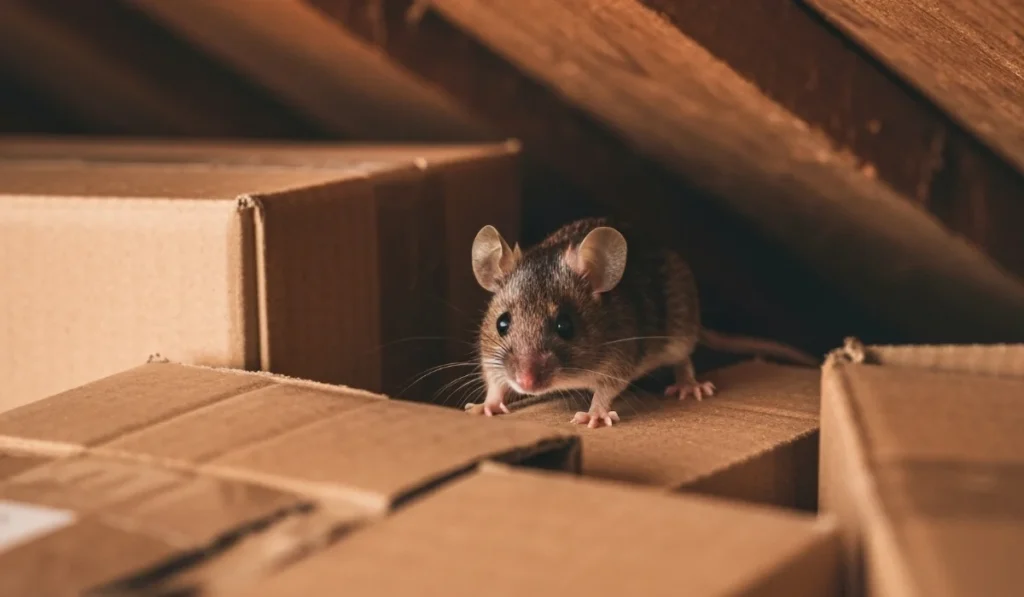
House mice are small, fast, and able to squeeze through very small gaps. Around Plainwell homes, they may enter through openings near doors, garage frames, utility lines, vents, siding gaps, or foundation edges.
Signs of mice include:
- Small dark droppings
- Scratching sounds in walls or ceilings
- Chewed food packaging
- Gnaw marks on wood, plastic, or wiring
- Nesting material made from paper, insulation, or fabric
- Musky odors in enclosed areas
- Grease marks along walls or baseboards
Michigan State University Extension notes that mice tend to travel close to walls and rely heavily on touch and smell. That behavior is one reason droppings, rub marks, and repeated activity often show up along edges, behind appliances, and inside cabinets.
Our mice control service in Plainwell focuses on inspection, removal, entry-point identification, and helping stop rodents from getting back inside.
Rats
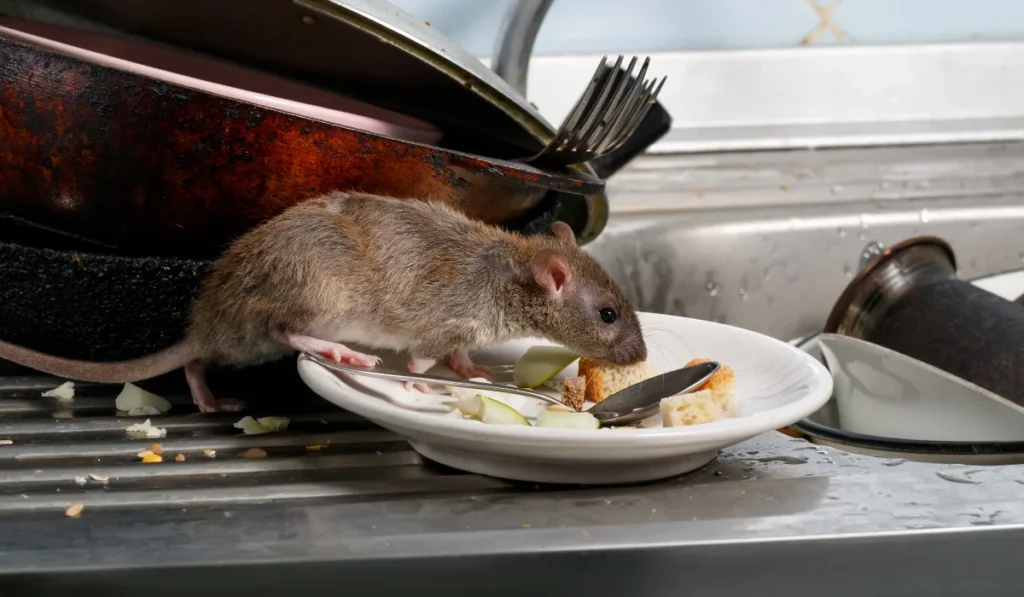
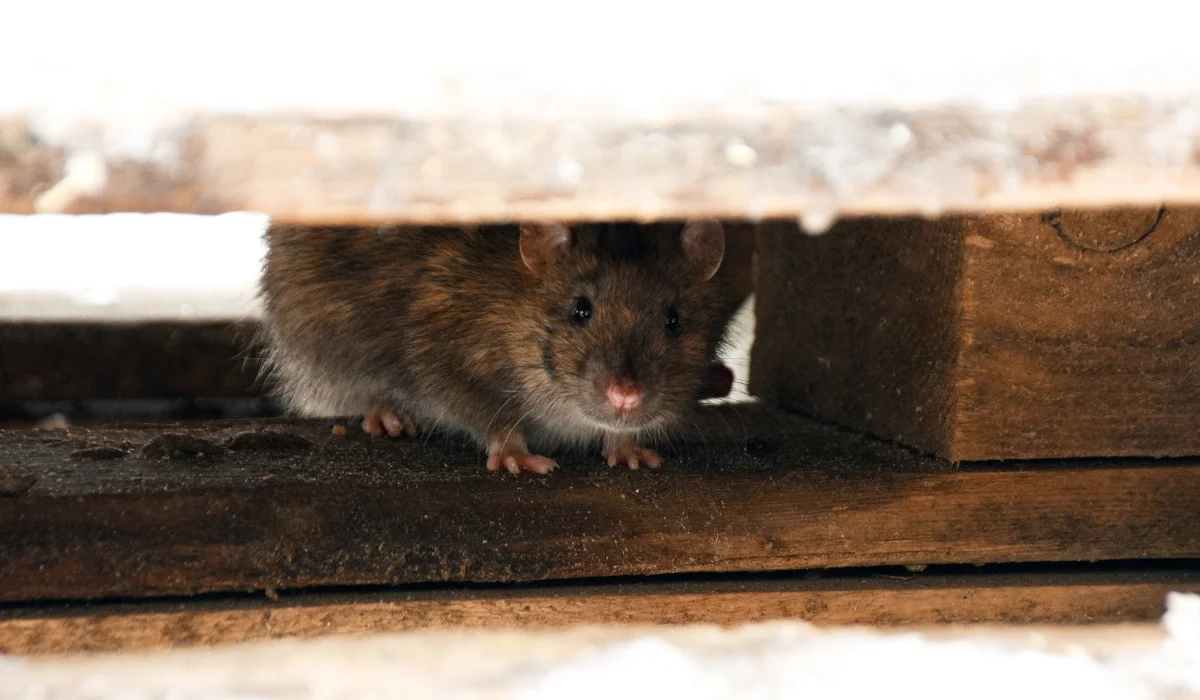
Rats are larger than mice and can cause more noticeable gnawing, droppings, and structural damage. They may be found around garages, sheds, trash areas, crawl spaces, basements, drains, or outdoor storage areas.
Possible rat signs include:
- Larger droppings than mouse droppings
- Heavy gnaw marks
- Burrows near foundations or sheds
- Noises in walls, crawl spaces, or ceilings
- Damage around trash or stored food
- Tracks or smudge marks along travel routes
Rats can be cautious around new objects, so control often requires a different approach than a basic mouse issue. If you suspect rats, avoid moving contaminated materials without proper cleanup precautions.
Deer Mice
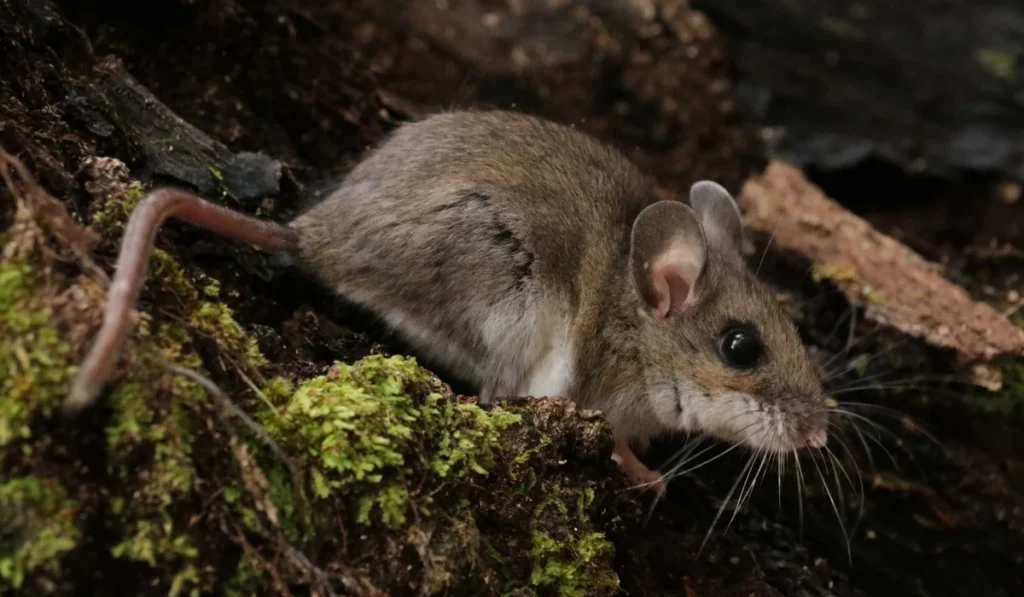
Deer mice may enter homes, cabins, sheds, garages, and storage areas, especially when outdoor conditions push them toward shelter. They can look similar to house mice, but they often have a two-tone body with a lighter belly.
A deer mouse issue may show up in:
- Garages
- Sheds
- Basements
- Crawl spaces
- Stored boxes
- Seasonal properties
- Areas near fields, woods, or open lots
Because mouse species can be difficult to confirm from a quick sighting, inspection helps determine whether you are dealing with a typical indoor mouse problem or activity connected to surrounding outdoor habitat.
Voles

Voles are rodents, but they usually create lawn and landscape problems instead of indoor pantry problems. They can leave shallow surface runways, small holes, and damage around grass, shrubs, tree bark, and garden areas.
Vole signs may include:
- Narrow trails through turf
- Small holes in lawn areas
- Chewed bark near the base of young trees
- Damage under snow cover
- Activity around gardens or landscaping
- Surface runways near mulch or dense vegetation
Pest Pros offers mole and vole control for lawn and garden damage. If the problem is outside instead of inside, the service plan may be different from indoor mouse control.
Squirrels
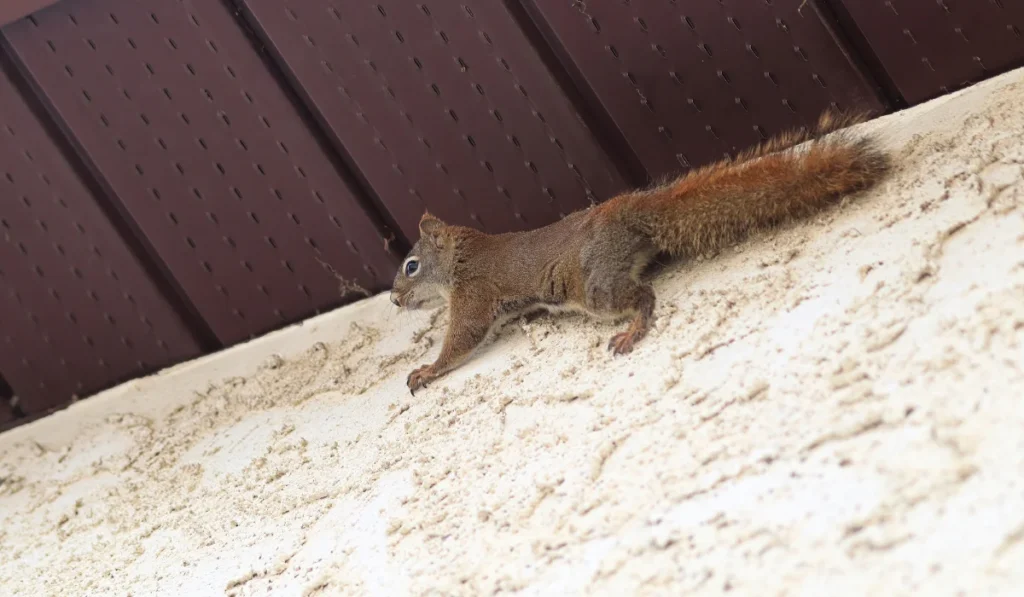
Squirrels are rodents too, but they are usually handled as a wildlife issue when they enter attics, walls, vents, soffits, or roofline gaps. They can chew, nest, and create noise in areas where they do not belong.
Watch for:
- Daytime scratching or movement sounds
- Chewed roofline or soffit areas
- Nesting material in attic spaces
- Activity around vents or gutters
- Droppings in attic or storage areas
- Repeated entry near the same exterior opening
Our wildlife trapping and removal service helps address animals such as squirrels, raccoons, skunks, and woodchucks when they create nuisance or property concerns.
How Rodents Get Into Plainwell Homes
Rodents do not need a wide-open door. Small gaps around the exterior can be enough, especially as weather changes and homes become more attractive for shelter.
Common entry points include:
- Gaps under doors
- Garage door edges
- Utility line openings
- Foundation cracks
- Vents without secure covers
- Loose siding or trim
- Gaps around windows
- Openings near rooflines
- Crawl space access points
Our rodent control service addresses access points, trapping and baiting strategies, sanitation concerns, and ongoing monitoring. Sealing entry points is one of the most important parts of keeping rodents from returning.
Signs You May Have A Rodent Problem
Some rodent signs are obvious. Others are easy to miss until the activity grows. Pay attention to repeated signs, especially in kitchens, basements, garages, attics, and storage areas.
Look for:
- Droppings near food, walls, or appliances
- Scratching or gnawing sounds
- Chewed packaging
- Holes in stored materials
- Nests made of shredded material
- Pet attention toward walls or cabinets
- Grease marks along travel paths
- Unusual odors
- Tracks in dusty areas
- New damage near doors, vents, or utility openings
The CDC notes that droppings after cleanup can indicate active rodent presence. If signs keep returning, the issue is likely ongoing.
Why Rodent Cleanup Needs Care
Rodent urine, droppings, and nesting materials should be handled carefully. Do not sweep or vacuum dry droppings, because that can stir particles into the air.
The CDC recommends wetting rodent urine and droppings with disinfectant or a bleach solution before wiping them up. Wear gloves and follow safe cleanup guidance, especially in enclosed spaces such as basements, garages, sheds, or attics.
If the infestation is heavy, the area is hard to access, or you are unsure how much contamination is present, professional help is the safer route.
How To Reduce Rodent Activity
Prevention works best when you reduce food, shelter, and access at the same time. One step alone may not solve an active problem.
Start with these basics:
- Store pantry food in sealed containers.
- Clean crumbs and spills quickly.
- Keep pet food sealed and avoid leaving bowls out overnight.
- Move firewood and clutter away from the house.
- Keep garage doors closed when not in use.
- Seal gaps around doors, vents, pipes, and utility lines.
- Trim vegetation away from the foundation.
- Keep trash lids tight.
- Check basements, attics, and garages regularly.
If rodents are already inside, prevention should be paired with inspection and removal. Sealing a home before the active problem is addressed can trap rodents inside.
When To Call Pest Pros Of Michigan
Call for help when droppings, scratching sounds, gnaw marks, nests, or repeated sightings continue after basic cleanup. You should also schedule service if activity appears in walls, attics, basements, kitchens, garages, or crawl spaces.
Professional service makes sense when:
- You do not know how rodents are getting in.
- Droppings keep returning.
- You hear movement in walls or ceilings.
- Food packaging is being chewed.
- You have pets or children in the home.
- The activity is in an attic, crawl space, or garage.
- You need help sealing entry points.
Our local Plainwell pest control team helps homeowners identify the pest, locate activity, and choose the right control plan for the property.
Schedule Rodent Control In Plainwell
If you are seeing droppings, hearing scratching, or finding rodent damage around your Plainwell home, we can inspect the property and explain the next step clearly.
Contact Pest Pros of Michigan to request rodent control in Plainwell.
Frequently Asked Questions
What Rodents Are Common Around Plainwell Homes?
Mice are a common indoor concern. Rats, deer mice, voles, and squirrels may also create problems depending on whether the activity is indoors, outdoors, in the attic, or around the lawn.
How Can I Tell If I Have Mice Or Rats?
Mice are smaller and leave smaller droppings. Rats are larger, leave larger droppings, and may create heavier gnaw marks or burrows. An inspection can confirm the difference.
Are Voles The Same As Mice?
No. Voles are rodents, but they usually damage lawns, gardens, and landscaping. Mice are more likely to invade kitchens, basements, garages, and storage areas.
Should I Clean Up Rodent Droppings Myself?
Small cleanup may be possible with proper precautions, but do not sweep or vacuum dry droppings. Wet the area with disinfectant first and wear gloves. Heavy contamination should be handled carefully.
When Should I Call Pest Pros Of Michigan?
Call when droppings, scratching, gnaw marks, nests, or sightings keep returning, or when activity appears in walls, attics, basements, crawl spaces, kitchens, garages, or storage areas.

 Serving Michigan since 2018
 Pest-free guarantee
 Small, local business