If you hear strange sounds coming from your attic at night, you are not alone. Many Michigan homeowners hear unusual activity overhead and wonder what it could be. The timing raises concern, especially when the noises begin after sunset and stop before morning.
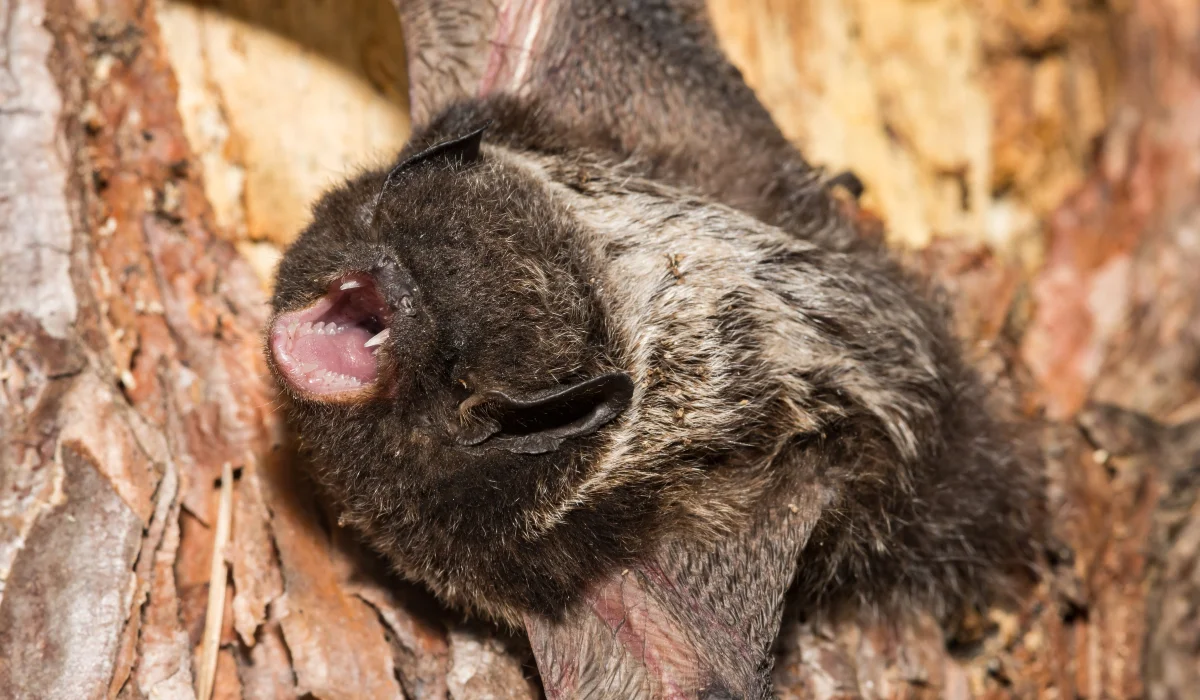
These sounds often raise one question: what noises do bats make, and could bats be the cause? Bats stay out of sight, but they do make noise. Their movement, communication, and daily habits create clear sounds once you know what to listen for.
By learning how bat noises differ from those of other animals, you can identify the problem and decide what to do next, including whether bat control in Michigan is needed.
Key Takeaways
- Bat noises often include chirping, squeaking, and light scurrying, especially at dusk and dawn
- Many bat sounds fall outside the range of human hearing, but some are noticeable inside attics
- Guano and bat droppings often confirm bats in your attic, along with sound patterns
- Professional bat removal protects both homeowners and local species of bats
Video: Things You Didn’t Know About Bats
This video covers key facts about bats, including how they navigate, communicate, and live in groups. It explains echolocation in simple terms and helps homeowners understand why bats behave the way they do once they find a roost inside a structure.
What Noises Do Bats Make Inside Homes
If bats live in your attic, sound is often the first sign. Homeowners usually describe bat noises as soft but frequent compared to larger animals. You may hear light scratching, faint movement, or fluttering near vents or rooflines.
Bat sounds often include chirping and squeaking, especially when bats communicate with each other. Unlike raccoons, bats move lightly, so the noise sounds quick and scattered instead of heavy or dragging.
Timing also helps identify bats. Bat noises often peak around sunset when bats leave to feed and again before sunrise when they return.
Understanding Echolocation And Bat Communication
One part of bat behavior that people often misunderstand is echolocation. Bats use echolocation to move around and find insects by sending out sound waves and listening for echoes. These calls are high-pitched and usually outside the range of human hearing.
For that reason, most ultrasonic sounds never reach the human ear. Some bat vocalizations drop low enough for people to hear faint clicks or chirps, especially in enclosed spaces like attics. Bat detectors can detect echolocation calls when sounds are too faint to hear.
Different bat species use echolocation in different ways, but all bats rely on it. This ability lets bats fly through tight spaces without hitting walls or beams.
Common Bat Noises You Might Hear At Night
Bat noises can sound different, which often confuses homeowners. Many people hear chittering, high-pitched squeaks, or short bat calls from above the ceiling. These sounds usually happen when bats communicate with each other.
A bat colony creates more noise because many bats interact at the same time. You may hear steady chirping mixed with brief scurrying as bats move within roosting spots. Baby bats add more noise and often squeak while calling for their mothers.
Bat sounds vary by species, but common bats like the big brown bat make sharper and more noticeable noises. Over time, these sound patterns become easier to recognize.
How Bat Noises Compare To Other Attic Critters
One of the biggest challenges is telling bats apart from other animals. Raccoons create loud thuds and heavy movement, while squirrels stay active during the day. Bat noises sound lighter and more scattered.
You may hear fluttering when bats enter or exit through small gaps near the roofline. That sound differs from birds, which are active during the day and quiet at night.
Unlike rodents, bats do not chew wood or insulation, so you will not hear constant gnawing. Instead, chirping, squeaking, and short bursts of movement usually point to bats.
Signs Beyond Sound That Confirm Bats
Sounds tell part of the story, but physical evidence is often a clear sign of a bat infestation. Guano usually appears below entry points or on attic beams. Bat droppings look like dark grains and collect in small piles beneath roosting areas.
Bat droppings can also cause odor problems over time. As guano builds up, it can support fungal growth linked to histoplasmosis, which can cause health problems if disturbed.
You may also notice stains near vents or roof edges where bats enter and exit often. When combined with bat noises, these signs usually confirm that bats live in your attic.
Why Bats Choose Attics As Roosting Spots
Bats seek warm, quiet places to rest, especially during maternity season. Attics offer steady temperatures and protection from predators, which makes them good places for baby bats.
Female bats gather in groups, which increases noise and guano buildup. Baby bats stay in the roost while adults leave to feed, which explains changing noise levels at night.
Once bats settle into a building, they often return each year unless the roost becomes blocked. That pattern shows why early bat control helps prevent future problems.
Are Bats Dangerous To Humans
Homeowners often ask whether bats are dangerous to humans, especially when they hear activity overhead. Bats generally avoid direct contact and do not act aggressively. However, risks still exist when bats live inside a structure.
Handling bats increases the risk of bites or scratches, and exposure to guano can cause health problems. For this reason, wildlife control professionals advise against DIY removal and recommend safe, legal methods.
Proper bat control protects people and local bat populations that play an important role in Michigan ecosystems.
When To Call For Professional Bat Removal
If bat noises persist or signs worsen, professional bat removal is the safest option. Wildlife control experts understand seasonal rules and use exclusion methods that remove bats without harm.
At Pest Pros of Michigan, our technicians inspect entry points, identify bat species, and install exclusion devices that guide bats out safely. This approach prevents bats from returning and protects your home.
Bat control also includes sealing gaps and cleaning up guano to reduce future problems. Early action limits damage and prevents minor problems from growing larger.
Making The Right Choice For Bat Control In Michigan
Dealing with attic noises can feel stressful, but understanding what noises bats make helps you respond with clarity. Bat noises follow predictable patterns, and once identified, the solution becomes clear.
By paying attention to timing, sound type, and physical signs, homeowners can avoid guesswork. When bats in your attic become more than an occasional noise, professional help provides safe and lasting results.
If you suspect bat activity, our team at Pest Pros of Michigan offers trusted bat removal and wildlife control services tailored to Michigan homes and seasonal conditions.
Contact us today or request a free quote to schedule an inspection.
FAQs
What do bat noises sound like at night?
Bat noises often include light chirping, squeaking, and quick scurrying sounds. You may also hear a fluttering sound near vents as bats leave or return. These noises usually happen around dusk and dawn when bats are most active.
Can humans hear echolocation?
Most echolocation calls fall outside the range of human hearing because they are ultrasonic sounds. In quiet spaces like attics, some high-frequency calls may sound like faint clicks or chirps, mainly when bats communicate socially.
How do I determine whether sounds are from bats or rodents?
Bat noises tend to be lighter and more sporadic than those of rodents. Rodents chew and move constantly, while bats create brief bursts of sound, chirping, and fluttering tied to nighttime activity.
Bat noises often include light chirping, squeaking, and quick scurrying sounds. You may also hear a fluttering sound near vents as bats leave or return. These noises usually happen around dusk and dawn when bats are most active.
Bat noises tend to be lighter and more sporadic than those of rodents. Rodents chew and move constantly, while bats create brief bursts of sound, chirping, and fluttering tied to nighttime activity.

 Serving Michigan since 2018
 Pest-free guarantee
 Small, local business
 10+ years of pest control experience
 President and CEO of Pest Pros of Michigan
 Resident of Michigan