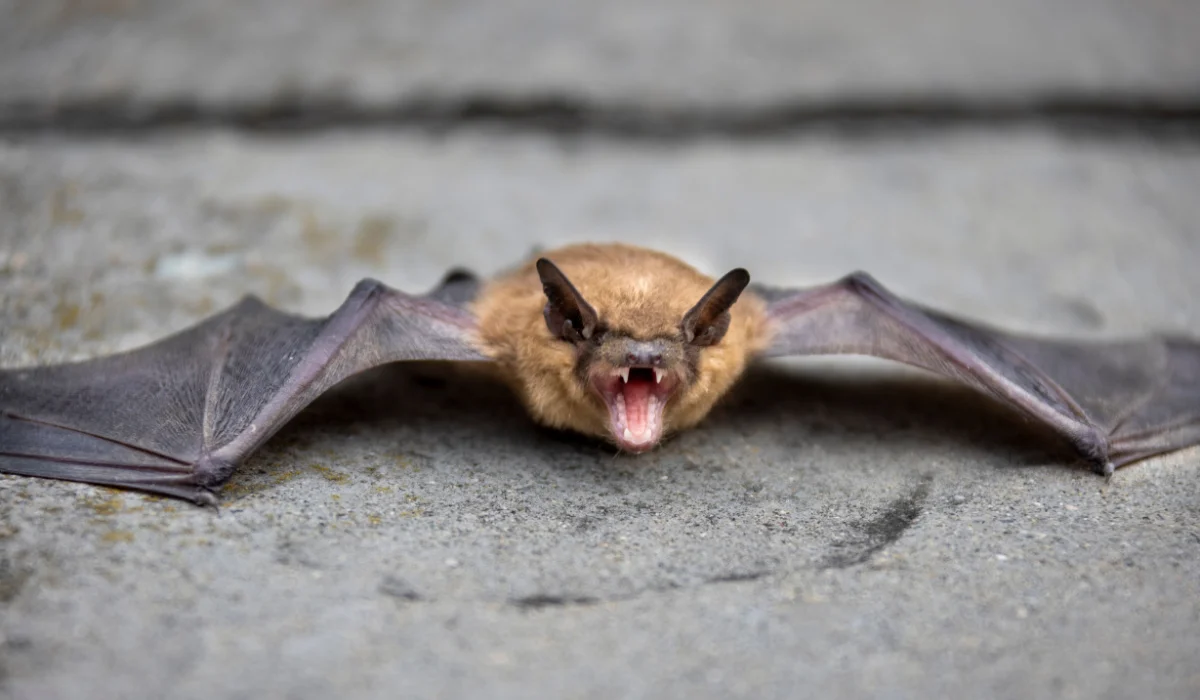
If you step onto your porch at dusk and see bats flying nearby, you are not alone. Many Michigan homeowners encounter this problem during the warmer months, when bats are active. Knowing how to keep bats away from your porch starts with understanding why they show up and when bat control in Michigan becomes necessary.
Bats do not choose a front porch by chance. They look for shelter, food, and quiet places where they can roost safely. When they find a spot that meets these needs, bats may return night after night.
You can take simple steps to stop bats without harming them. The right steps help protect your home, lower health risks, and make your porch usable again.
Key Takeaways
- Bats gather on porches because of shelter, insects, and dark roosting spots.
- Sealing entry points and adjusting lighting quickly reduces bat activity.
- Simple deterrents are most effective when combined with exclusion methods.
- Professional bat removal helps prevent long-term infestations.
Video: Things You Did Not Know About Bats
This short video shares basic facts about bats, including how they navigate, where they roost, and why they often settle near homes. It helps explain bats and why porches sometimes become attractive roosting spots.
Why Bats Are Attracted To Porches In Michigan
When homeowners ask how to keep bats away from porches, the first step is to understand what attracts them. Porches protect bats from wind and rain, especially when they have overhangs or eaves. These protected areas feel safe to bats.
Porches often sit near food sources. Porch lights attract moths and other flying insects, which draws bats to your porch for easy meals. When bats learn that a porch offers food and cover, they often return each night. Over time, bat droppings can build up under their roosting spots.
Bats help control insects, but they do not belong near your home. Bat activity on a porch often signals nearby entry points that can lead to a bat infestation.
Are Bats Dangerous When They Roost Near Your Home
Many homeowners ask whether bats are dangerous to humans when they notice activity on their porch. Most bats avoid direct contact, but problems arise when they settle too close to living spaces. Bat guano and droppings can accumulate, causing odor issues and sanitation concerns.
One health risk linked to bat droppings is histoplasmosis. This lung illness develops when spores from disturbed droppings enter the air. Exposure risk rises when bats stay near entryways or enclosed porch areas.
There is also a risk that bats move into attics or walls, which is how bats in Michigan homes often become a larger problem. When bats find small gaps, they can move from the porch into the house. That is why early bat control is important for homeowners in Kalamazoo, Grand Rapids, and nearby areas of Michigan.
Common Porch Features That Create Easy Access
Porches often have features that attract bats looking for roosting sites. Eaves with small gaps let bats cling and hide during the day. Cracks in siding or trim create hidden entry points for bats.
Loose boards, warped wood, and open crevices give bats easy access. Even small gaps near entryways allow bats to slip inside. Because bats need only a small opening, homeowners often miss these spots until roosting becomes clear.
Homeowners should inspect porch ceilings, railings, and nearby rooflines. Sealing these areas early helps keep bats away from your porch and lowers the risk of bat colonies.
How Lighting And Insects Affect Bat Activity
One common cause of porch bat problems is lighting. Porch lights left on overnight attract insects and create easy feeding areas. Bats quickly learn where insects gather and return often.
Switching to yellow or motion-activated lights reduces insect activity. Lights aimed outward instead of upward make the area less appealing to bats. Lights alone will not stop bats, but they support other deterrent steps.
When paired with exclusion, lighting changes help repel bats and reduce activity near your porch.
Natural And Household Bat Deterrents That Can Help
Many homeowners ask which bat deterrents they can use themselves. No single method works on its own, but several options can discourage bats.
Peppermint oil and eucalyptus oil are common essential oils. The strong smell bothers bats and makes roosting spots uncomfortable. Applying these scents near roosting spots can help repel bats when used often.
Some homeowners use aluminum foil, mylar balloons, or wind chimes. These items create movement and reflections that bats dislike. Ultrasonic devices may disturb bats, but results vary based on placement.
Mothballs sometimes come up, but homeowners should never use them inside living spaces. These tools may help in the short term, but sealing entry points is more effective.
Why You Should Use Bat Houses Carefully
A bat house can be effective when placed correctly, away from the home. It gives bats another place to roost while keeping them away from your porch.
Placing a bat house too close to your porch can make the problem worse. Bats may keep using your home and the bat house. Proper placement matters if you want bats to stay away from living areas.
For Michigan homeowners unsure about placement, professional help keeps bats away from the porch.
When Exclusion Is The Right Approach
Bat exclusion stops bats from reaching roosting sites. This process finds entry points, seals them, and installs one-way doors. These doors let bats leave and block them from returning.
Exclusion is most effective outside the maternity season and depends on when bats hibernate in Michigan. Correct timing prevents young bats from getting trapped. Professional bat removal services follow local rules and seasonal limits.
After bats leave, technicians seal crevices to keep them out. This approach fixes the cause of the problem, not just the symptoms.
Signs Your Porch Bat Problem Is Getting Worse
Seeing a bat once does not always mean a serious problem. Repeated activity, increased droppings, or strong odors indicate a growing problem.
Scratching sounds near eaves or visible droppings show bats roost nearby. In some cases, bat activity also leads to bed bug problems.
When these signs appear, wildlife control professionals should inspect the home before bats spread.
How Pest Pros Of Michigan Helps Homeowners Stay Bat-Free
When porch bat issues escalate, professional help makes a difference. At Pest Pros of Michigan, we provide bat control solutions designed for local homes and weather conditions. Inspections focus on identifying entry points, roosting spots, and long-term prevention needs.
Our team handles bat removal using proven exclusion devices while protecting your home and nearby areas. Homeowners across West Michigan trust our approach because it balances safety, education, and effective pest control.
If you want to get rid of bats without ongoing frustration, working with professionals helps protect your living space and keep your porch usable again.
Keeping Your Porch Comfortable And Bat-Free Long Term
Porch bat problems often start small but grow when left alone. Addressing the issue early helps limit damage, cleanup concerns, and the chance of bats moving closer to living areas. For homeowners who want a lasting solution, professional guidance can make a clear difference.
At Pest Pros of Michigan, we work with homeowners to address porch bat issues safely and within local guidelines.
Contact us today to schedule an inspection and get help restoring full use of your porch.
FAQs
Why do bats keep coming back to my porch?
Bats return when a porch offers shelter, insects, and easy access to roosting sites. Porch lights and small gaps often encourage repeated visits.
Can I safely repel bats on my own?
Some bat repellents and deterrents offer short-term protection, but sealing entry points and using proper exclusion methods provide the most reliable results.
When should I call a professional for bat removal?
If bats roost regularly, leave bat droppings, or show signs of entering the home, professional help is essential to prevent a larger bat infestation and protect your living space.
Bats return when a porch offers shelter, insects, and easy access to roosting sites. Porch lights and small gaps often encourage repeated visits.
Some bat repellents and deterrents offer short-term protection, but sealing entry points and using proper exclusion methods provide the most reliable results.
If bats roost regularly, leave bat droppings, or show signs of entering the home, professional help is essential to prevent a larger bat infestation and protect your living space.

 Serving Michigan since 2018
 Pest-free guarantee
 Small, local business
 10+ years of pest control experience
 President and CEO of Pest Pros of Michigan
 Resident of Michigan