Living in Michigan means sharing your yard and home with wildlife, including bees. When spring arrives and flowers bloom, bees become part of daily life for homeowners and tenants. You may see bees hovering over flowers, flying near siding, or entering small holes in the ground.
Seeing bees around your home often leads to the same question. What type of bee is this, and should you be concerned?
Knowing the types of bees in Michigan, including the many bees of Michigan found in residential areas, helps you make smart decisions instead of reacting out of fear. Some bees help gardens and native plants, while others may nest too close to homes or damage property over time.
When identification becomes unclear, professional wasp, bee & stinging insect control in Michigan can help determine the safest next step. The key is knowing which bees are helpful and which ones need attention.
Across Michigan, from Kalamazoo to Grand Rapids, bee activity follows the same seasonal patterns each year. Bees become active in spring, increase through summer, and slow down as fall approaches. Knowing what you are seeing helps you protect your home while supporting Michigan’s local ecosystem.
Key Takeaways
Michigan bees, sorted by what to do
Most bees you spot are working pollinators that move on within weeks. A few nest in wood or settle inside a structure. Here is how they sort out.
Honey Bee
RelocateManaged pollinator focused on nectar, usually ignoring people nearby.
Where Wild colonies form inside trees or wall spaces, where honey can cause damage
Carpenter Bee
Damages woodLooks like a bumble bee but with a smooth, shiny black back.
Where Tunnels into decks, trim, fascia, and porches, leaving round holes
Bumble Bee
BeneficialLarge and fuzzy, moving between flowers.
Where Nests in the ground, often reusing old rodent burrows
Sweat Bee
BeneficialMuch smaller than bumble or carpenter bees; some shine metallic green.
Where Nests in soil near sidewalks, patios, and garden beds
Miner Bee
BeneficialEarly-spring bee that leaves small dirt mounds in lawns and garden edges.
Where Digs individual tunnels in soil; finishes nesting within a few weeks
Cellophane Bee
BeneficialGround-nesting bee that lines its nest with a moisture-blocking coating.
Where Solitary tunnels in soil; does not damage lawns
Leafcutter & Mason Bee
BeneficialLeafcutters cut leaf circles; mason bees seal nests with mud.
Where Mason bees appear near brick or stone; leafcutters near plantings
Squash Bee
BeneficialSpecialty pollinator tied to squash and pumpkin plants.
Where Nests in garden soil near the plants it pollinates
- Michigan is home to many bee species, most of which are non-aggressive.
- Proper identification helps homeowners avoid unnecessary removal of helpful pollinators.
- Some bees can nest in wood or soil near structures and need attention.
- Pest exclusion protects your home from stinging insects when nesting activity gets too close.
Video: Bees vs Wasps, Yellow Jackets, and Hornets
This short video explains the differences among bees, wasps, yellow jackets, and hornets, using clear visuals and real-world examples. It walks through body shape, behavior, and nesting habits so homeowners can quickly identify what they are dealing with before taking action.
Understanding Bees in Michigan and Why Identification Matters
When people talk about bees in Michigan, they often mean any flying insect that can sting. In reality, Michigan is home to hundreds of bee species, and most never interact with people. Many live quietly in gardens, fields, and wooded areas, focusing on pollen and nectar.
Identification matters because bee behavior varies by species. Some bees live in social colonies, while others live on their own. Some nest underground, others use plant stems, and a few tunnel into wood. These nesting habits determine whether a bee becomes a problem near a home or simply passes through.
Studies from Michigan State University and the University of Michigan document bee species found across Michigan. This research helps homeowners know which bees are helpful and when to call a professional.
Bumble Bees and Other Common Garden Visitors
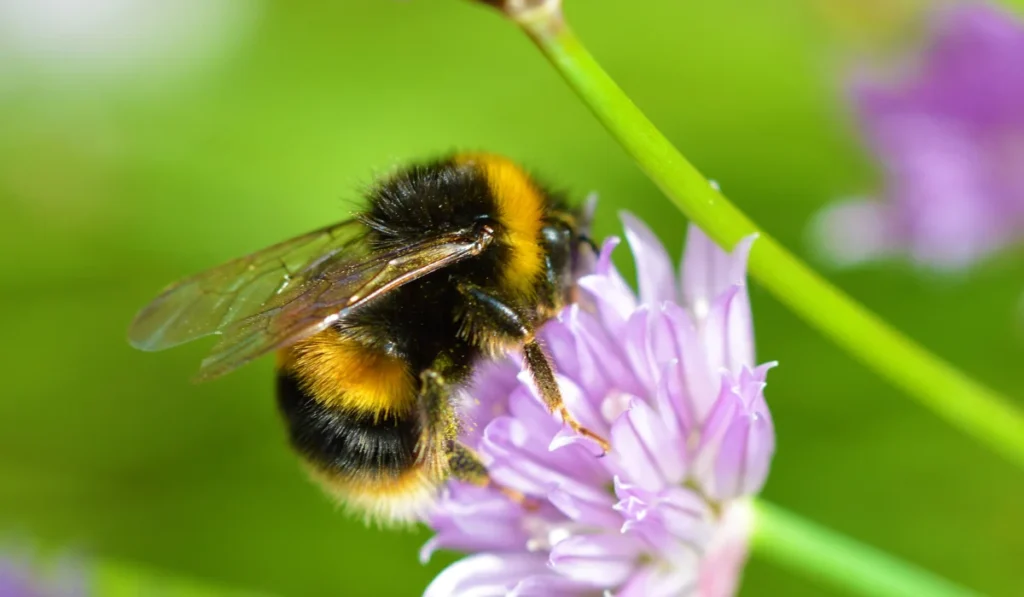
Bumble bees are some of the easiest pollinators to recognize in Michigan. They are large, fuzzy, and easy to spot as they move between flowers. One common bumblebee found in residential areas is Bombus impatiens.
These bees are important pollinators that support crops, gardens, and wildflowers. They usually nest in the ground, often using old rodent burrows. Bumble bees can sting, but they rarely act aggressively unless someone disturbs their nest.
You may also hear about Bombus affinis, a bumblebee that has seen population declines in parts of North America. Seeing these bees shows why native plants and habitats matter across Michigan.
Honey Bees and Managed Colonies Near Homes
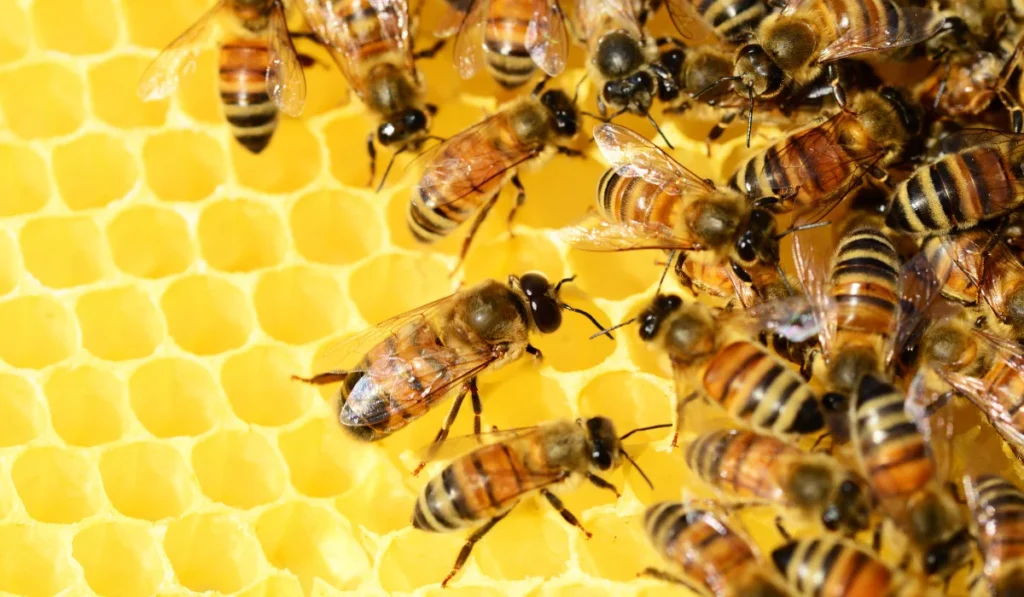
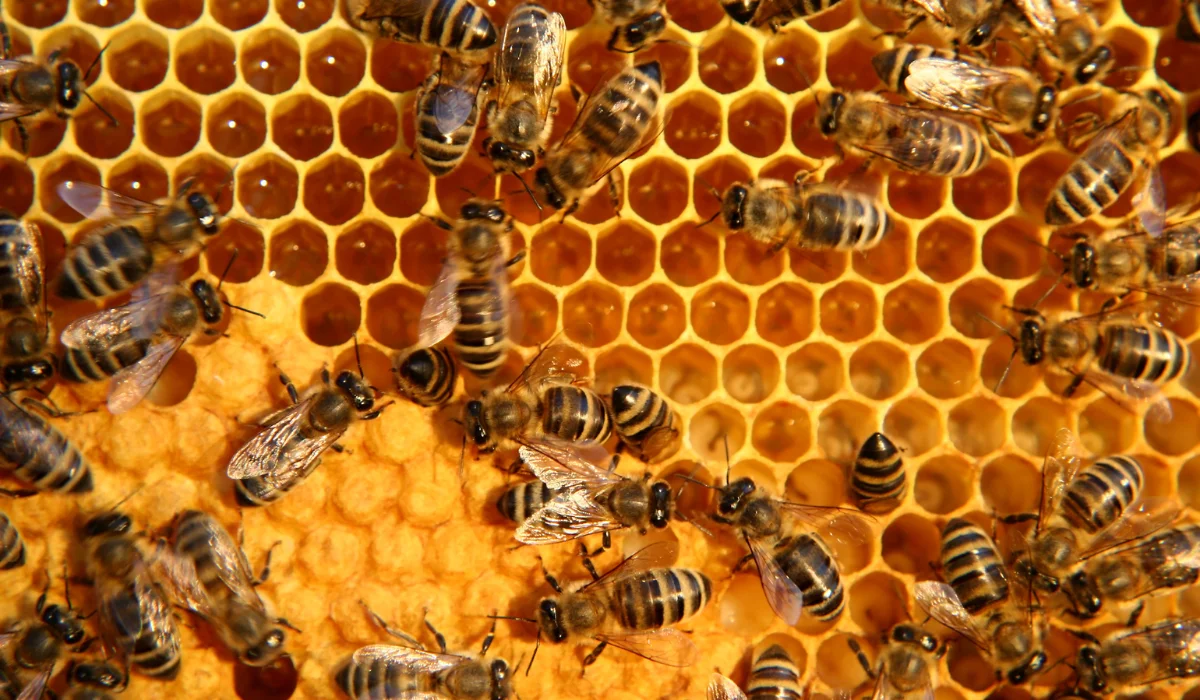
Honey bees differ from most native bees because many live in managed colonies kept by beekeepers. Even so, wild honey bee colonies still form, sometimes inside trees or wall spaces in buildings.
Honey bees focus on collecting nectar and pollen and usually ignore people nearby. Problems start when a colony settles inside a structure, where honey buildup and long-term activity can cause damage.
In Michigan, honey bees remain key pollinators for farms and home gardens. For this reason, professionals often focus on relocating honey bees rather than removing them when they pose a concern near homes.
Carpenter Bees and Wood Damage Concerns
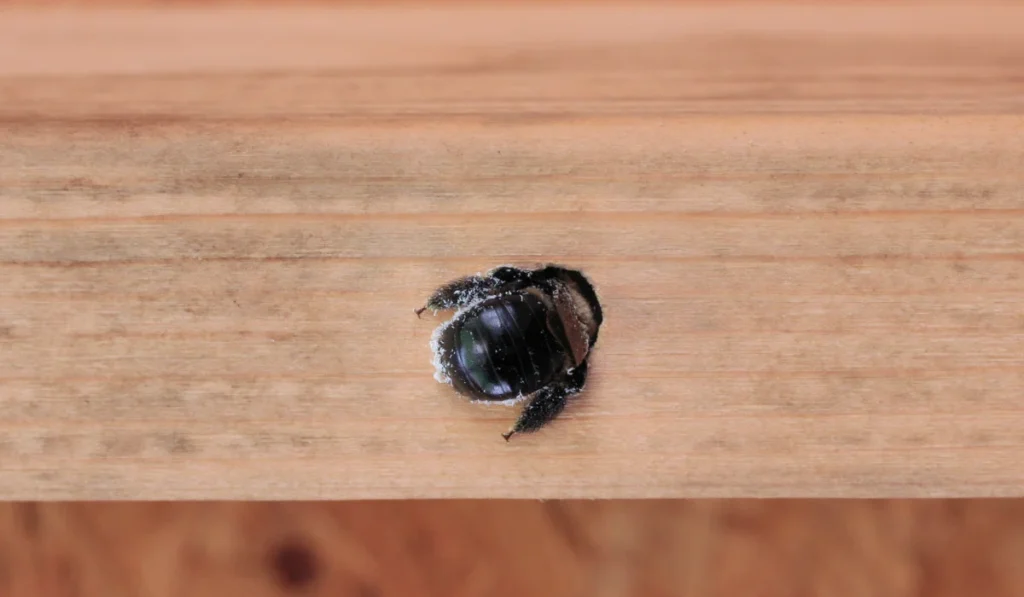
Carpenter bees are one of the most common bees that cause homeowners to call for help. They look like bumble bees but have smooth, shiny black backs. The most common carpenter bee in Michigan is Xylocopa virginica.
Unlike most bees, carpenter bees tunnel into wood to create nests. Over time, repeated tunneling creates visible holes and damages decks, trim, fascia boards, and porches. Carpenter bees rarely sting, but their activity often causes frustration.
If you see perfectly round holes in wood and bees hovering nearby, carpenter bees usually cause the damage. In these cases, homeowners often wonder, “Should I remove that bee nest or leave it alone?” Fixing the problem early helps stop carpenter bees from nesting in the same areas each year.
Sweat Bees, Green Sweat Bees, and Small Native Species
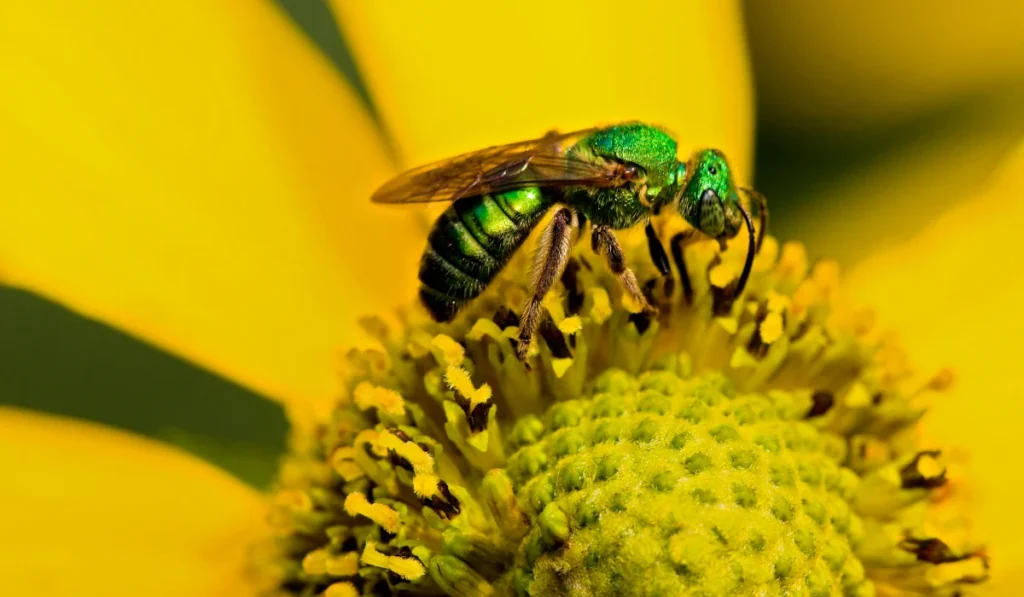
Sweat bees are much smaller than bumble bees or carpenter bees and often go unnoticed by homeowners. Some, called green sweat bees, have a shiny green color that reflects sunlight.
These bees belong to groups such as Halictus and Lasioglossum, which include many small native species. They often nest in soil and appear near sidewalks, patios, and garden beds. They get their name from their attraction to sweat, but stings are rare and mild.
Other small native bees include masked bees in the Hylaeus group and metallic bees such as Augochlora and Agapostemon. These native bees support pollination and usually leave as quickly as they appear.
Ground-Nesting Bees and Early Spring Activity
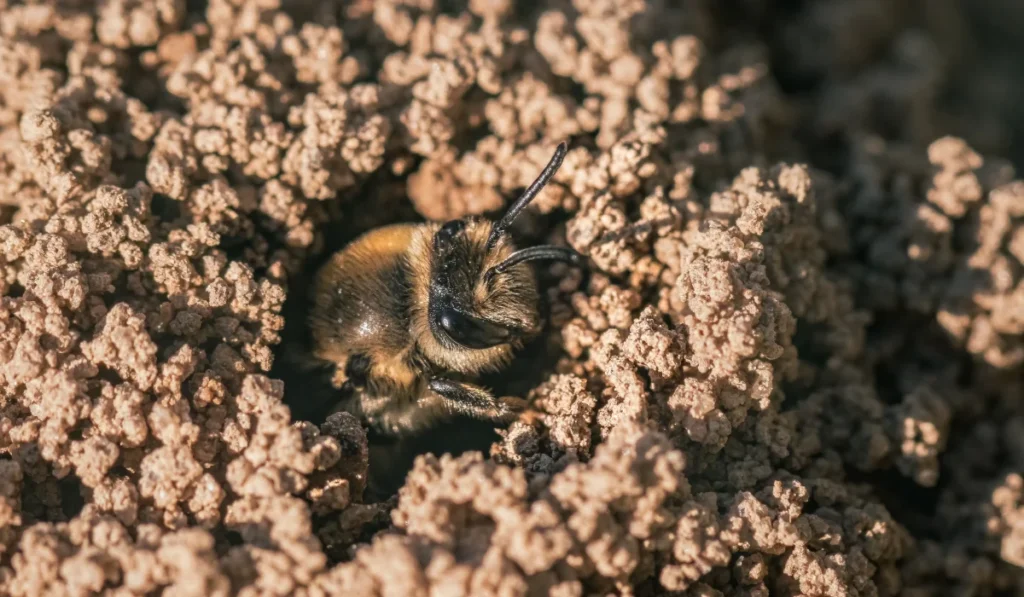
Miner bees, often called Andrena, are some of the first bees to appear in early spring. Homeowners sometimes notice small dirt mounds in lawns or garden edges and worry they have an infestation.
These bees create individual tunnels rather than shared colonies. Cellophane bees, part of the Colletes group, line their nests with a coating that keeps moisture out. Even with visible activity, these bees do not damage lawns and finish nesting quickly.
Because they live alone, ground-nesting bees rarely sting and usually disappear within a few weeks.
Specialty Bees You Might Not Recognize
Michigan is home to many lesser-known bee species that still play a key role in the ecosystem. Leafcutter bees from the Megachile group cut small circles from leaves to line their nests. Mason bees use mud to seal their nests and often appear near brick or stone surfaces.
Long-horned bees, including Melissodes, get their name from the long antennae on males. Squash bees, such as Peponapis pruinosa, pollinate squash and pumpkin plants and often nest in garden soil.
Other species include cuckoo bees, Anthidium, Ceratina, and Agapostemon. Together, these bee species support native plants, wildflowers, and crops across Michigan.
Bees vs Wasps and Hornets Around Homes
Many service calls involve wasps or hornets, not bees. Wasps and hornets behave differently from bees, build visible nests, while bee nests are often hidden and less noticeable.
Bees focus on pollination, while wasps and hornets focus on defending food and territory. Knowing the difference helps homeowners respond safely and avoid risks.
When nests appear near eaves, entryways, or busy areas, it is best to call a professional.
At that point, many homeowners also want to know how much bee extermination costs before deciding on the next steps.
Living With Bees and Knowing When to Call a Pro
Bee activity around a home does not always require action, but some situations call for expert help. When nesting occurs within walls, structural wood, or areas people use every day, a trained inspection can clarify which steps make sense and which should be left alone.
At Pest Pros of Michigan, we provide clear identification and practical guidance to help homeowners address bee activity without unnecessary harm.
Contact us today to schedule an inspection and get help with bee activity around your home.
FAQs
How many types of bees live in Michigan?
Michigan is home to hundreds of bee species, ranging from large bumble bees to tiny sweat bees. Most are solitary and rarely interact with people.
Are bees dangerous around homes?
Most bees are not aggressive and sting only when threatened. Issues usually occur when bees nest too close to living spaces or inside structures.
Do all bees damage property?
No. Only certain bees, like carpenter bees, can cause wood damage. Most bees nest in soil or plants and do not affect structures.

 Serving Michigan since 2018
 Pest-free guarantee
 Small, local business
 10+ years of pest control experience
 President and CEO of Pest Pros of Michigan
 Resident of Michigan